

17 – Sponges
175
Reef-builders, caves and crevices
In prehistoric reefs many hard-bodied sponges, like
‘lithistids’, ‘stromatoporoids’, ‘chaetetids’ and ‘sphinctozoans’ (all now considered grades of construction in
body plan, and not taxonomic clades), were the major
structural components of reefs. In modern day reefs
hard-bodied sponges have only a minor structural
role, although they are still considered to be of some
importance in accreting coral skeletons in deeper waters where light is limiting and coral growth is rudimentary. Nevertheless, living representatives of these
‘reef-building sponges’ are still found on coral reefs
and other deeper reefs, with their ancient body plans
persisting over many millions of years. Some of these
sponges (such as Astrosclera willeyana) have a solid calcitic skeleton (contributing to reef-building, analogous
BOX 17.1 CHEMICAL DEFENCE
Sponges are among the most toxic of animals, with toxins derived from one or a combination of the sponge’s own metabolic products, sequestered chemicals excreted by other
reef organisms and filtered by sponges, and symbioses with a variety of microbial infloras. These toxins are thought to have a variety of biological functionality including
repelling predators, out-competing other sessile reef organisms for space, controlling
parasites and microbes, chemical recognition between host and resident in-faunas, and
bioerosion of the substrate. Many of these chemicals have also demonstrated toxicity
against human pathogens, cancers, parasites and other therapeutic properties of interest
to the pharmaceutical industry, and over the past few decades the majority of new chemical structures and new classes of chemical compounds have been isolated from sponges,
including species from the GBR.
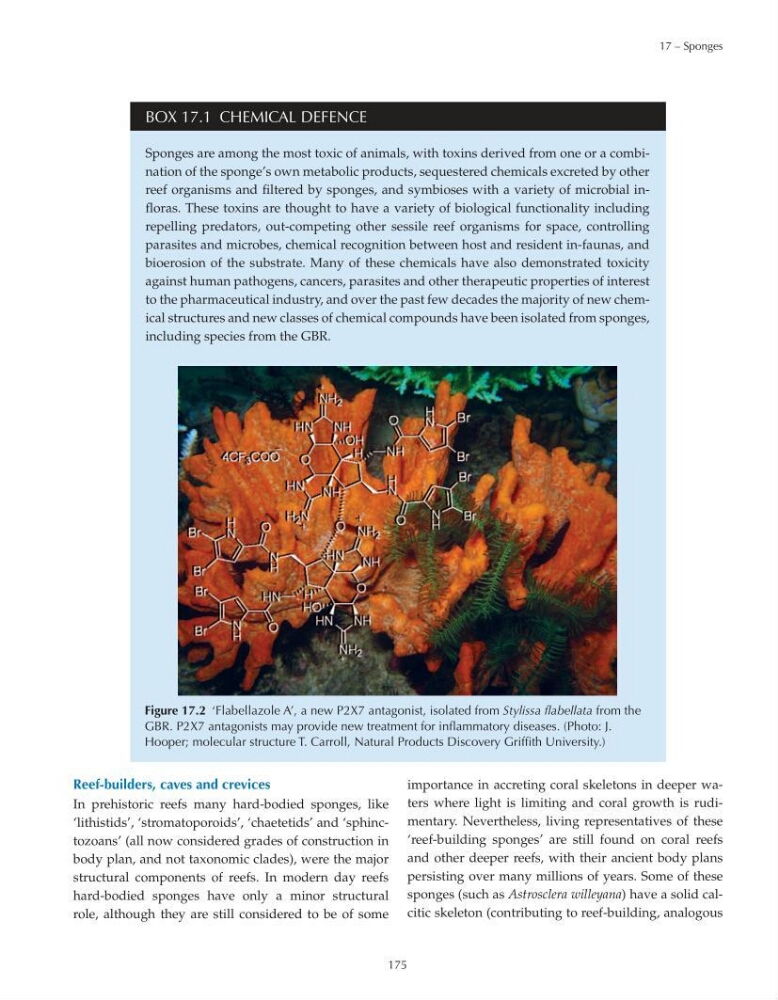
Figure 17.2 ‘Flabellazole A’, a new P2X7 antagonist, isolated from Stylissa flabellata from the
GBR. P2X7 antagonists may provide new treatment for inflammatory diseases. (Photo: J.
Hooper; molecular structure T. Carroll, Natural Products Discovery Griffith University.)
175
Reef-builders, caves and crevices
In prehistoric reefs many hard-bodied sponges, like
‘lithistids’, ‘stromatoporoids’, ‘chaetetids’ and ‘sphinctozoans’ (all now considered grades of construction in
body plan, and not taxonomic clades), were the major
structural components of reefs. In modern day reefs
hard-bodied sponges have only a minor structural
role, although they are still considered to be of some
importance in accreting coral skeletons in deeper waters where light is limiting and coral growth is rudimentary. Nevertheless, living representatives of these
‘reef-building sponges’ are still found on coral reefs
and other deeper reefs, with their ancient body plans
persisting over many millions of years. Some of these
sponges (such as Astrosclera willeyana) have a solid calcitic skeleton (contributing to reef-building, analogous
BOX 17.1 CHEMICAL DEFENCE
Sponges are among the most toxic of animals, with toxins derived from one or a combination of the sponge’s own metabolic products, sequestered chemicals excreted by other
reef organisms and filtered by sponges, and symbioses with a variety of microbial infloras. These toxins are thought to have a variety of biological functionality including
repelling predators, out-competing other sessile reef organisms for space, controlling
parasites and microbes, chemical recognition between host and resident in-faunas, and
bioerosion of the substrate. Many of these chemicals have also demonstrated toxicity
against human pathogens, cancers, parasites and other therapeutic properties of interest
to the pharmaceutical industry, and over the past few decades the majority of new chemical structures and new classes of chemical compounds have been isolated from sponges,
including species from the GBR.
Figure 17.2 ‘Flabellazole A’, a new P2X7 antagonist, isolated from Stylissa flabellata from the
GBR. P2X7 antagonists may provide new treatment for inflammatory diseases. (Photo: J.
Hooper; molecular structure T. Carroll, Natural Products Discovery Griffith University.)