

16 – Mangroves and Seagrasses
161
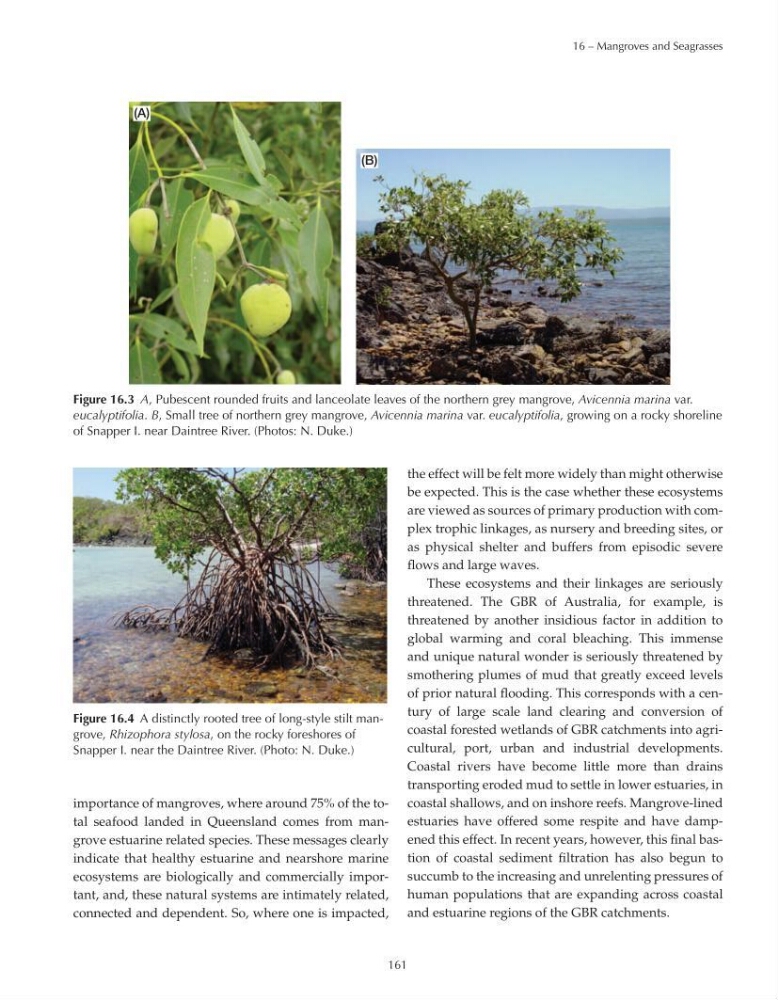
Figure 16.4 A distinctly rooted tree of long-style stilt mangrove, Rhizophora stylosa, on the rocky foreshores of
Snapper I. near the Daintree River. (Photo: N. Duke.)
(A)
(B)
Figure 16.3 A, Pubescent rounded fruits and lanceolate leaves of the northern grey mangrove, Avicennia marina var.
eucalyptifolia. B, Small tree of northern grey mangrove, Avicennia marina var. eucalyptifolia, growing on a rocky shoreline
of Snapper I. near Daintree River. (Photos: N. Duke.)
importance of mangroves, where around 75% of the total seafood landed in Queensland comes from mangrove estuarine related species. These messages clearly
indicate that healthy estuarine and nearshore marine
ecosystems are biologically and commercially important, and, these natural systems are intimately related,
connected and dependent. So, where one is impacted,
the effect will be felt more widely than might otherwise
be expected. This is the case whether these ecosystems
are viewed as sources of primary production with complex trophic linkages, as nursery and breeding sites, or
as physical shelter and buffers from episodic severe
flows and large waves.
These ecosystems and their linkages are seriously
threatened. The GBR of Australia, for example, is
threatened by another insidious factor in addition to
global warming and coral bleaching. This immense
and unique natural wonder is seriously threatened by
smothering plumes of mud that greatly exceed levels
of prior natural flooding. This corresponds with a century of large scale land clearing and conversion of
coastal forested wetlands of GBR catchments into agricultural, port, urban and industrial developments.
Coastal rivers have become little more than drains
transporting eroded mud to settle in lower estuaries, in
coastal shallows, and on inshore reefs. Mangrove-lined
estuaries have offered some respite and have dampened this effect. In recent years, however, this final bastion of coastal sediment filtration has also begun to
succumb to the increasing and unrelenting pressures of
human populations that are expanding across coastal
and estuarine regions of the GBR catchments.
161
Figure 16.4 A distinctly rooted tree of long-style stilt mangrove, Rhizophora stylosa, on the rocky foreshores of
Snapper I. near the Daintree River. (Photo: N. Duke.)
(A)
(B)
Figure 16.3 A, Pubescent rounded fruits and lanceolate leaves of the northern grey mangrove, Avicennia marina var.
eucalyptifolia. B, Small tree of northern grey mangrove, Avicennia marina var. eucalyptifolia, growing on a rocky shoreline
of Snapper I. near Daintree River. (Photos: N. Duke.)
importance of mangroves, where around 75% of the total seafood landed in Queensland comes from mangrove estuarine related species. These messages clearly
indicate that healthy estuarine and nearshore marine
ecosystems are biologically and commercially important, and, these natural systems are intimately related,
connected and dependent. So, where one is impacted,
the effect will be felt more widely than might otherwise
be expected. This is the case whether these ecosystems
are viewed as sources of primary production with complex trophic linkages, as nursery and breeding sites, or
as physical shelter and buffers from episodic severe
flows and large waves.
These ecosystems and their linkages are seriously
threatened. The GBR of Australia, for example, is
threatened by another insidious factor in addition to
global warming and coral bleaching. This immense
and unique natural wonder is seriously threatened by
smothering plumes of mud that greatly exceed levels
of prior natural flooding. This corresponds with a century of large scale land clearing and conversion of
coastal forested wetlands of GBR catchments into agricultural, port, urban and industrial developments.
Coastal rivers have become little more than drains
transporting eroded mud to settle in lower estuaries, in
coastal shallows, and on inshore reefs. Mangrove-lined
estuaries have offered some respite and have dampened this effect. In recent years, however, this final bastion of coastal sediment filtration has also begun to
succumb to the increasing and unrelenting pressures of
human populations that are expanding across coastal
and estuarine regions of the GBR catchments.