

2 The PULSE Project
PULSE project is goaled on build a set of extensible models and technologies to
predict, mitigate and manage health problems in cities and promote population health.
Currently PULSE is working in eight global cities. It harvest a multivariate data
platform feed by open city data, data from health systems, urban and remote sensors
and personal devices to minimize environmental and behavioral risk of chronic disease
incidence and prevalence and enable evidence-driven and timely management of public
health events and processes. The clinical is on asthma and Type 2 Diabetes in adult
populations: the project has been pioneer in the development of dynamic spatiotemporal health impact assessments through exposure-risk simulation model with the
support of WebGis for geolocated population-based data.
PULSE gives finally a more wide vision of wellbeing were it is intended also in the
relationship with environmental conditions.
2.1 Data Collection Principles
Acquisition, systematization and correlation of large volumes of heterogeneous health,
social, personal and environmental data is among the core and primary activities in the
PULSE project.
The overall goal of the deployments involves deriving additional values from the
acquired data, through: developing more comprehensive benchmarking and understanding of the impact of social and environmental factors on health and wellbeing in
urban communities, thereby broadening the scope of public health.
On this sake PULSE has developed tools for end-users (primarily citizens and
patients, public health institutions and city services) that leverage open, crowd-sourced
and remote sensing data, through integration, enrichment and improved
accuracy/reliability of risk models, to guide actions and deliver interventions aiming to
mitigate asthma and T2D risk and improve healthy habits and quality of life.
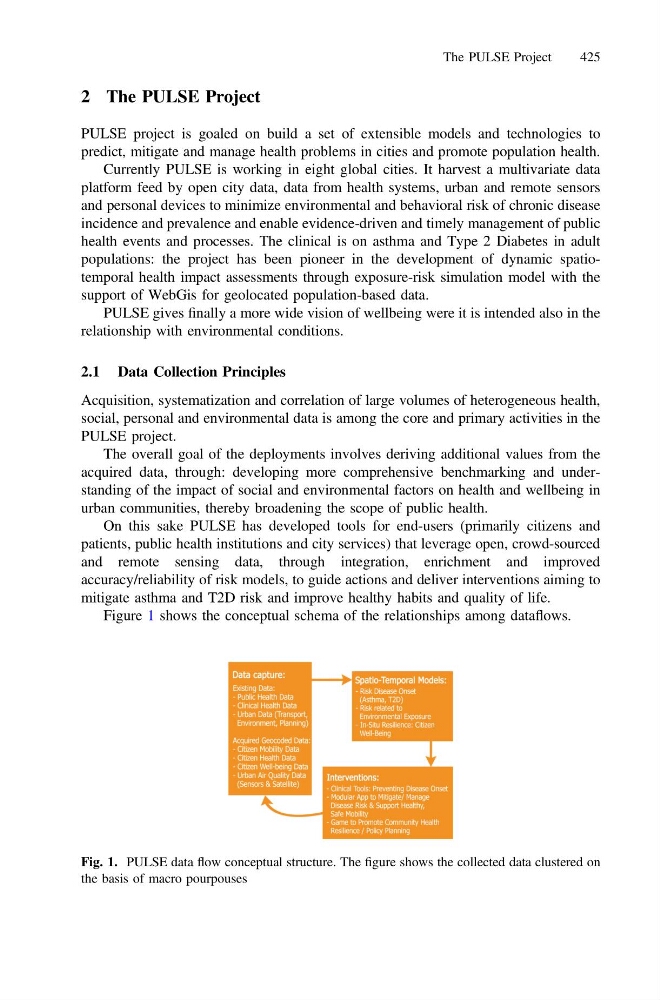
Figure 1 shows the conceptual schema of the relationships among dataflows.
Fig. 1. PULSE data flow conceptual structure. The figure shows the collected data clustered on
the basis of macro pourpouses
The PULSE Project
425
PULSE project is goaled on build a set of extensible models and technologies to
predict, mitigate and manage health problems in cities and promote population health.
Currently PULSE is working in eight global cities. It harvest a multivariate data
platform feed by open city data, data from health systems, urban and remote sensors
and personal devices to minimize environmental and behavioral risk of chronic disease
incidence and prevalence and enable evidence-driven and timely management of public
health events and processes. The clinical is on asthma and Type 2 Diabetes in adult
populations: the project has been pioneer in the development of dynamic spatiotemporal health impact assessments through exposure-risk simulation model with the
support of WebGis for geolocated population-based data.
PULSE gives finally a more wide vision of wellbeing were it is intended also in the
relationship with environmental conditions.
2.1 Data Collection Principles
Acquisition, systematization and correlation of large volumes of heterogeneous health,
social, personal and environmental data is among the core and primary activities in the
PULSE project.
The overall goal of the deployments involves deriving additional values from the
acquired data, through: developing more comprehensive benchmarking and understanding of the impact of social and environmental factors on health and wellbeing in
urban communities, thereby broadening the scope of public health.
On this sake PULSE has developed tools for end-users (primarily citizens and
patients, public health institutions and city services) that leverage open, crowd-sourced
and remote sensing data, through integration, enrichment and improved
accuracy/reliability of risk models, to guide actions and deliver interventions aiming to
mitigate asthma and T2D risk and improve healthy habits and quality of life.
Figure 1 shows the conceptual schema of the relationships among dataflows.
Fig. 1. PULSE data flow conceptual structure. The figure shows the collected data clustered on
the basis of macro pourpouses
The PULSE Project
425