

5 Conclusion and Future Work
In this paper, we proposed a self-adaptative early warning scores system that respect a
risk evaluation approach named NEWS2. It provides a manual and self-adaptative
configuration of the vital signs monitoring process depending on the patient health
status variation and the medical staff decisions. We aim in our future work to use
ontologies for more interpretation of collected data.
References
1. Costa, C., Pasluosta, F., Eskofier, B., Silva, D., Righi, R.: Internet of health things: toward
intelligent vital signs monitoring in hospital wards. J. Artif. Intell. Med. 89, 61–69 (2018)
2. Downey, C.L., Tahir, W., Randell, R., Brown, J.M., Jayne, D.G.: Strengths and limitations
of early warning scores: a systematic review and narrative synthesis. Int. J. Nurs. Stud. 76,
106–119 (2017)
3. Anzanpour, A., Rahmani, A.-M., Liljeberg, P., Tenhunen, H.: Context-aware early warning
system for in-home healthcare using internet-of-things. In: Mandler, B., et al. (eds.) IoT360
2015. LNICST, vol. 169, pp. 517–522. Springer, Cham (2016). https://doi.org/10.1007/9783-319-47063-4_56
4. National Early Warning Score (NEWS) 2 (2019) https://www.rcplondon.ac.uk/projects/
outputs/national-early-warning-score-news-2
5. Du, B., Huang, R., Xie, Z., Ma, J., Lv, W.: KID model-driven things-edge-cloud computing
paradigm for traffic data as a service. IEEE Network 32(1), 34–41 (2018)
6. Mieronkoski, R., et al.: The Internet of Things for basic nursing care—a scoping review. Int.
J. Nursing Stud. 69, 78–90 (2017)
7. Razzaque, M.A., Milojevic-Jevric, M., Palade, A., Clarke, S.: Middleware for internet of
things: a survey. IEEE Internet Things J. 3(1), 70–95 (2016)
8. Rahmani, A.M., et al.: Exploiting smart e-Health gateways at the edge of healthcare Internetof-Things: a fog computing approach Future Gener. Comput. Syst. 78(2), 641–658 (2018)
9. Farahani, B., et al.: Towards fog-driven IoT eHealth: Promises and challenges of IoT in
medicine and healthcare. Future Gener. Comput. Syst. 78(2), 659–676 (2018)
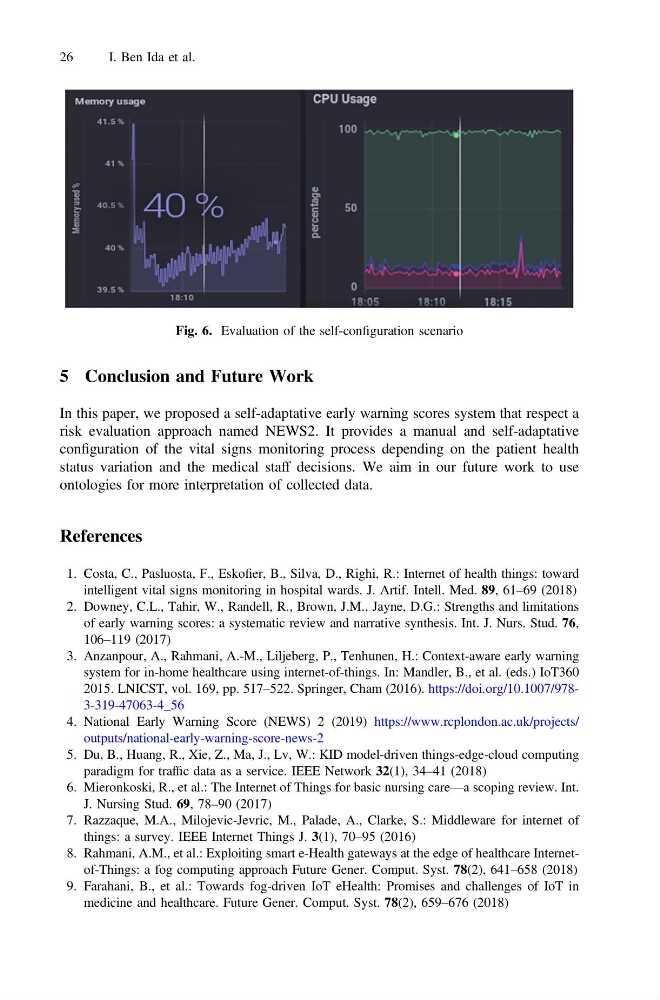
Fig. 6. Evaluation of the self-configuration scenario
26
I. Ben Ida et al.
In this paper, we proposed a self-adaptative early warning scores system that respect a
risk evaluation approach named NEWS2. It provides a manual and self-adaptative
configuration of the vital signs monitoring process depending on the patient health
status variation and the medical staff decisions. We aim in our future work to use
ontologies for more interpretation of collected data.
References
1. Costa, C., Pasluosta, F., Eskofier, B., Silva, D., Righi, R.: Internet of health things: toward
intelligent vital signs monitoring in hospital wards. J. Artif. Intell. Med. 89, 61–69 (2018)
2. Downey, C.L., Tahir, W., Randell, R., Brown, J.M., Jayne, D.G.: Strengths and limitations
of early warning scores: a systematic review and narrative synthesis. Int. J. Nurs. Stud. 76,
106–119 (2017)
3. Anzanpour, A., Rahmani, A.-M., Liljeberg, P., Tenhunen, H.: Context-aware early warning
system for in-home healthcare using internet-of-things. In: Mandler, B., et al. (eds.) IoT360
2015. LNICST, vol. 169, pp. 517–522. Springer, Cham (2016). https://doi.org/10.1007/9783-319-47063-4_56
4. National Early Warning Score (NEWS) 2 (2019) https://www.rcplondon.ac.uk/projects/
outputs/national-early-warning-score-news-2
5. Du, B., Huang, R., Xie, Z., Ma, J., Lv, W.: KID model-driven things-edge-cloud computing
paradigm for traffic data as a service. IEEE Network 32(1), 34–41 (2018)
6. Mieronkoski, R., et al.: The Internet of Things for basic nursing care—a scoping review. Int.
J. Nursing Stud. 69, 78–90 (2017)
7. Razzaque, M.A., Milojevic-Jevric, M., Palade, A., Clarke, S.: Middleware for internet of
things: a survey. IEEE Internet Things J. 3(1), 70–95 (2016)
8. Rahmani, A.M., et al.: Exploiting smart e-Health gateways at the edge of healthcare Internetof-Things: a fog computing approach Future Gener. Comput. Syst. 78(2), 641–658 (2018)
9. Farahani, B., et al.: Towards fog-driven IoT eHealth: Promises and challenges of IoT in
medicine and healthcare. Future Gener. Comput. Syst. 78(2), 659–676 (2018)
Fig. 6. Evaluation of the self-configuration scenario
26
I. Ben Ida et al.