

305
Persistent Memory Read-Write Ratio
As described in “Performance Analysis Concepts,” the ratio of read and write traffic
to the persistent memory plays a major role in the overall performance of a workload.
If the ratio of persistent memory write bandwidth to read bandwidth is high, there is
a good chance the persistent memory write latency is impacting performance. Using
the Platform Profiler feature in VTune Profiler is one way to collect this information.
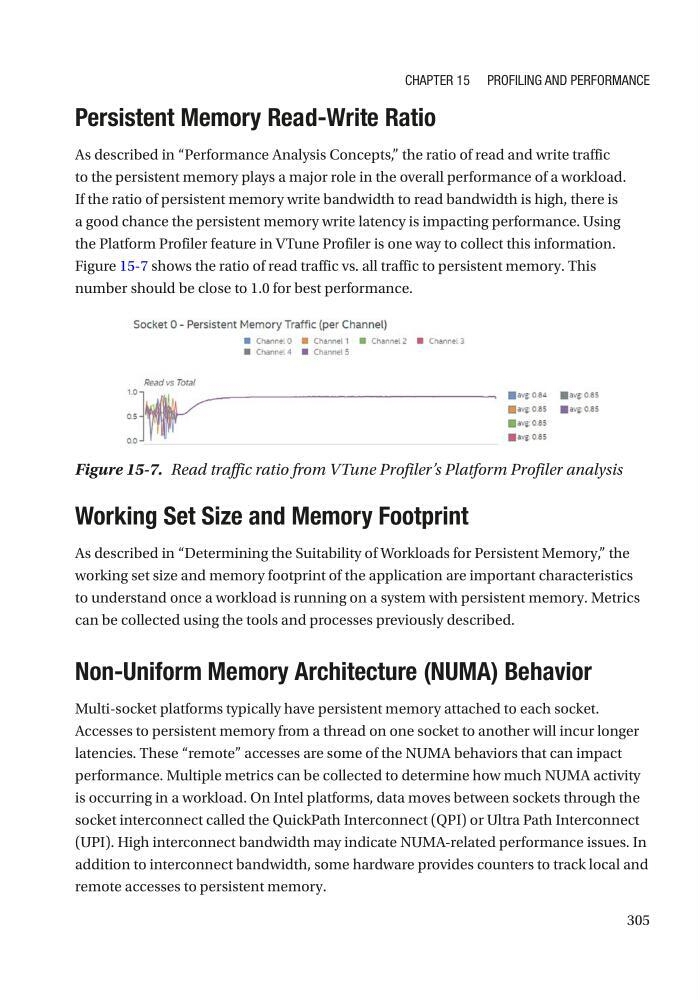
Figure 15-7 shows the ratio of read traffic vs. all traffic to persistent memory. This
number should be close to 1.0 for best performance.
Working Set Size and Memory Footprint
As described in “Determining the Suitability of Workloads for Persistent Memory,” the
working set size and memory footprint of the application are important characteristics
to understand once a workload is running on a system with persistent memory. Metrics
can be collected using the tools and processes previously described.
Non-Uniform Memory Architecture (NUMA) Behavior
Multi-socket platforms typically have persistent memory attached to each socket.
Accesses to persistent memory from a thread on one socket to another will incur longer
latencies. These “remote” accesses are some of the NUMA behaviors that can impact
performance. Multiple metrics can be collected to determine how much NUMA activity
is occurring in a workload. On Intel platforms, data moves between sockets through the
socket interconnect called the QuickPath Interconnect (QPI) or Ultra Path Interconnect
(UPI). High interconnect bandwidth may indicate NUMA-related performance issues. In
addition to interconnect bandwidth, some hardware provides counters to track local and
remote accesses to persistent memory.
Figure 15-7. Read traffic ratio from VTune Profiler’s Platform Profiler analysis
Chapter 15 profiling and performanCe
Persistent Memory Read-Write Ratio
As described in “Performance Analysis Concepts,” the ratio of read and write traffic
to the persistent memory plays a major role in the overall performance of a workload.
If the ratio of persistent memory write bandwidth to read bandwidth is high, there is
a good chance the persistent memory write latency is impacting performance. Using
the Platform Profiler feature in VTune Profiler is one way to collect this information.
Figure 15-7 shows the ratio of read traffic vs. all traffic to persistent memory. This
number should be close to 1.0 for best performance.
Working Set Size and Memory Footprint
As described in “Determining the Suitability of Workloads for Persistent Memory,” the
working set size and memory footprint of the application are important characteristics
to understand once a workload is running on a system with persistent memory. Metrics
can be collected using the tools and processes previously described.
Non-Uniform Memory Architecture (NUMA) Behavior
Multi-socket platforms typically have persistent memory attached to each socket.
Accesses to persistent memory from a thread on one socket to another will incur longer
latencies. These “remote” accesses are some of the NUMA behaviors that can impact
performance. Multiple metrics can be collected to determine how much NUMA activity
is occurring in a workload. On Intel platforms, data moves between sockets through the
socket interconnect called the QuickPath Interconnect (QPI) or Ultra Path Interconnect
(UPI). High interconnect bandwidth may indicate NUMA-related performance issues. In
addition to interconnect bandwidth, some hardware provides counters to track local and
remote accesses to persistent memory.
Figure 15-7. Read traffic ratio from VTune Profiler’s Platform Profiler analysis
Chapter 15 profiling and performanCe