

In accordance with the requirements of the Water Framework Directive, WGS
has been working on a program to renew 37 watercourses before 2028. This program considers the bigger watercourses. WGS is also investigating opportunities for
more extensive maintenance of watercourses to increase the robustness of the water
system and hold the water as long as possible.
When the water level in the IJssel is too low for the pumps, they stop pumping
(however they have lowered the pumps so this is required even less often than before).
The amount of water that is permitted to be pumped is outlined in the agreement
among the water authorities. Consideration is given to the levels of water required for
fish in the various streams; however, there is no official requirement to do so.
Farmers have been accustomed to receiving the service of water being supplied
for irrigation from the WGS. Since the WGS is responsible for determining how
much water goes through the channels (due to the highly regulated nature of the
system) when the channels go dry, they are ultimately responsible for having made
that decision, except under extreme circumstances when higher-level regulations
come into play. Thus, some farmers see it as the responsibility of the WGS to keep
water in the channels. Until recently the WGS has had a general attitude of
assuming such a supply-oriented role and doing their best to make sure that this was
Headquarters
District Offices
WWTPs
Laboratories
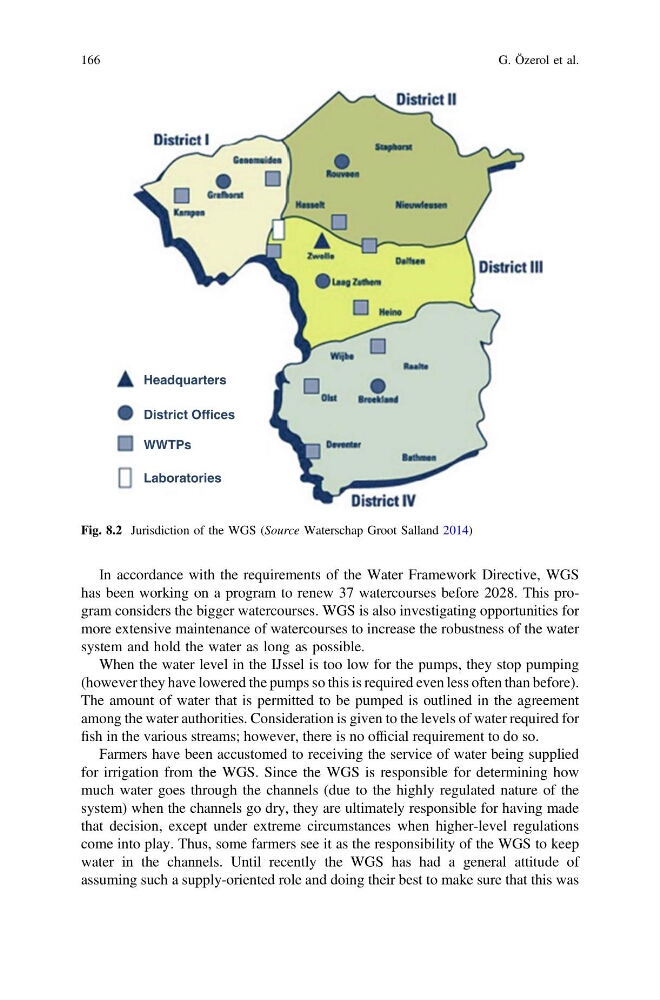
Fig. 8.2 Jurisdiction of the WGS (Source Waterschap Groot Salland 2014)
166
G. Özerol et al.
has been working on a program to renew 37 watercourses before 2028. This program considers the bigger watercourses. WGS is also investigating opportunities for
more extensive maintenance of watercourses to increase the robustness of the water
system and hold the water as long as possible.
When the water level in the IJssel is too low for the pumps, they stop pumping
(however they have lowered the pumps so this is required even less often than before).
The amount of water that is permitted to be pumped is outlined in the agreement
among the water authorities. Consideration is given to the levels of water required for
fish in the various streams; however, there is no official requirement to do so.
Farmers have been accustomed to receiving the service of water being supplied
for irrigation from the WGS. Since the WGS is responsible for determining how
much water goes through the channels (due to the highly regulated nature of the
system) when the channels go dry, they are ultimately responsible for having made
that decision, except under extreme circumstances when higher-level regulations
come into play. Thus, some farmers see it as the responsibility of the WGS to keep
water in the channels. Until recently the WGS has had a general attitude of
assuming such a supply-oriented role and doing their best to make sure that this was
Headquarters
District Offices
WWTPs
Laboratories
Fig. 8.2 Jurisdiction of the WGS (Source Waterschap Groot Salland 2014)
166
G. Özerol et al.