

Disposal technology also has many options that are either in operation or under
R&D in different countries. The disposal cost depends on the design of the disposal
facility, the composition of the engineered barriers, and the depth of the disposal
facility, which are strongly dependent on the characteristics of the radionuclides
in the waste.
Treatment technology options
Waste characterization
- Chemical composition, property, volume,
storage condition
- Radioactivity composition, concentration, inventory
- Heat generation
- H 2 generation
- NaCl concentration
- Oil, other organic materials
- Environmental materials, etc.
Effect on disposal
- Radioactivity composition, concentration
- Heat generation
- H 2 generation
- NaCl concentration
- Oil, organic materials
Environment materials
- Effect on other wastes
Primary selection of
treatment technologies
R&D on treatment technologies
- Treatment process flow (incl.
pre -treatment)
- Process data
- Secondary wastes
- Characterization of waste form
Evaluation of treatment technologies
- Treatment technology
- Treatment cost
- Performance of waste form
Evaluation of treatment, storage,
transportation, and disposal
- Technology
- Cost
- Safety evaluation for storage and disposal
Selection of treatment
technology
Demonstration of
treatment technology
Design, application, construction, and
operation of treatment facility
Evaluation of
disposal technologies
Effect on storage
- Heat generation
-
- Container integrity
Disposal technologiy
options
Evaluation of storage
technologies
Storage
technology
options
Design, application, construction,
and operation of storage facility
Study on disposal facility
Storage requirements
Disposal requirements
H 2 generation
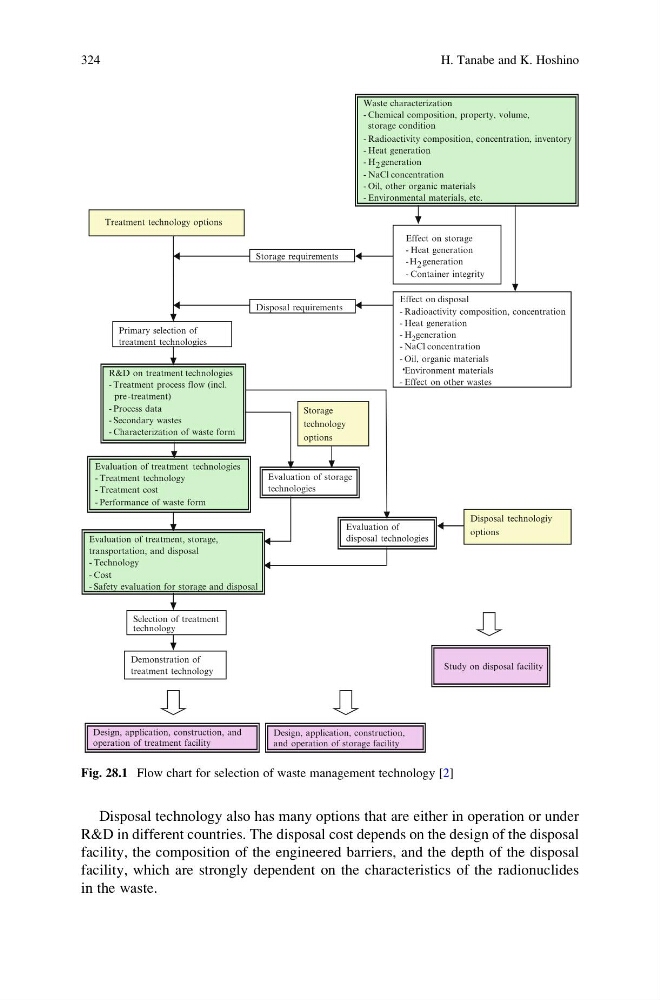
Fig. 28.1 Flow chart for selection of waste management technology [2]
324
H. Tanabe and K. Hoshino
R&D in different countries. The disposal cost depends on the design of the disposal
facility, the composition of the engineered barriers, and the depth of the disposal
facility, which are strongly dependent on the characteristics of the radionuclides
in the waste.
Treatment technology options
Waste characterization
- Chemical composition, property, volume,
storage condition
- Radioactivity composition, concentration, inventory
- Heat generation
- H 2 generation
- NaCl concentration
- Oil, other organic materials
- Environmental materials, etc.
Effect on disposal
- Radioactivity composition, concentration
- Heat generation
- H 2 generation
- NaCl concentration
- Oil, organic materials
Environment materials
- Effect on other wastes
Primary selection of
treatment technologies
R&D on treatment technologies
- Treatment process flow (incl.
pre -treatment)
- Process data
- Secondary wastes
- Characterization of waste form
Evaluation of treatment technologies
- Treatment technology
- Treatment cost
- Performance of waste form
Evaluation of treatment, storage,
transportation, and disposal
- Technology
- Cost
- Safety evaluation for storage and disposal
Selection of treatment
technology
Demonstration of
treatment technology
Design, application, construction, and
operation of treatment facility
Evaluation of
disposal technologies
Effect on storage
- Heat generation
-
- Container integrity
Disposal technologiy
options
Evaluation of storage
technologies
Storage
technology
options
Design, application, construction,
and operation of storage facility
Study on disposal facility
Storage requirements
Disposal requirements
H 2 generation
Fig. 28.1 Flow chart for selection of waste management technology [2]
324
H. Tanabe and K. Hoshino