

2.2.2 A Rough Draft of an NRD Facility
For practical application, the scale of an NRD facility should be minimized.
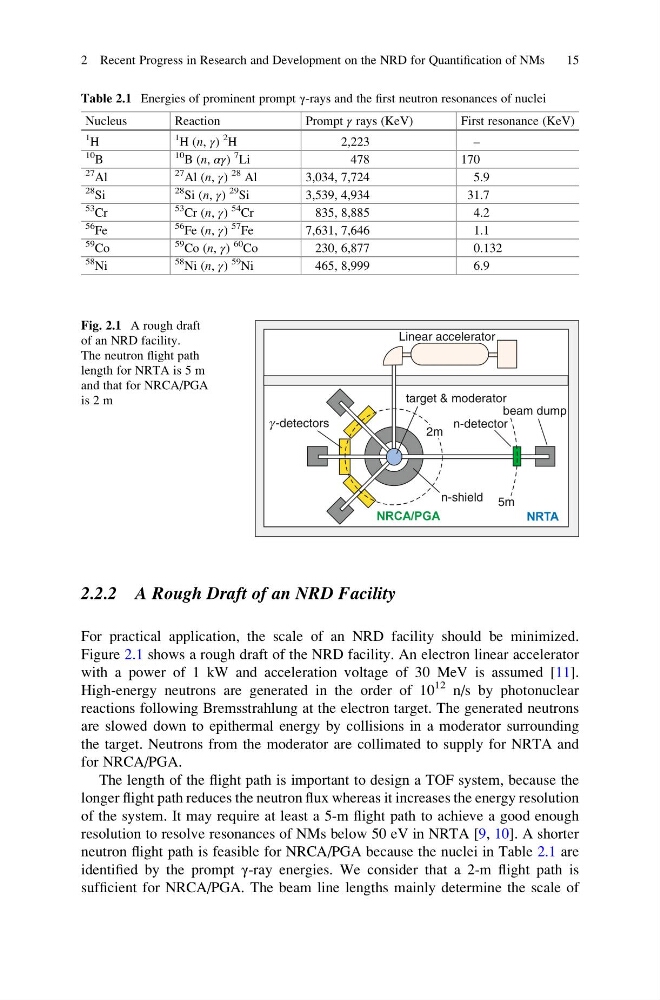
Figure 2.1 shows a rough draft of the NRD facility. An electron linear accelerator
with a power of 1 kW and acceleration voltage of 30 MeV is assumed [11].
High-energy neutrons are generated in the order of 10
12 n/s by photonuclear
reactions following Bremsstrahlung at the electron target. The generated neutrons
are slowed down to epithermal energy by collisions in a moderator surrounding
the target. Neutrons from the moderator are collimated to supply for NRTA and
for NRCA/PGA.
The length of the flight path is important to design a TOF system, because the
longer flight path reduces the neutron flux whereas it increases the energy resolution
of the system. It may require at least a 5-m flight path to achieve a good enough
resolution to resolve resonances of NMs below 50 eV in NRTA [9, 10]. A shorter
neutron flight path is feasible for NRCA/PGA because the nuclei in Table 2.1 are
identified by the prompt γ-ray energies. We consider that a 2-m flight path is
sufficient for NRCA/PGA. The beam line lengths mainly determine the scale of
Table 2.1 Energies of prominent prompt γ-rays and the first neutron resonances of nuclei
Nucleus
Reaction
Prompt γ rays (KeV)
First resonance (KeV)
1
H
1
H (n, γ)
2
H
2,223
–
10
B
10
B (n, αγ)
7
Li
478
170
27
Al
27
Al (n, γ)
28 Al
3,034, 7,724
5.9
28
Si
28
Si (n, γ)
29 Si
3,539, 4,934
31.7
53
Cr
53
Cr (n, γ)
54
Cr
835, 8,885
4.2
56
Fe
56
Fe (n, γ)
57
Fe
7,631, 7,646
1.1
59
Co
59
Co (n, γ)
60
Co
230, 6,877
0.132
58
Ni
58
Ni (n, γ)
59
Ni
465, 8,999
6.9
5m
beam dump
g -detectors
n-detector
Linear accelerator
target & moderator
2m
n-shield
Fig. 2.1 A rough draft
of an NRD facility.
The neutron flight path
length for NRTA is 5 m
and that for NRCA/PGA
is 2 m
2 Recent Progress in Research and Development on the NRD for Quantification of NMs
15
For practical application, the scale of an NRD facility should be minimized.
Figure 2.1 shows a rough draft of the NRD facility. An electron linear accelerator
with a power of 1 kW and acceleration voltage of 30 MeV is assumed [11].
High-energy neutrons are generated in the order of 10
12 n/s by photonuclear
reactions following Bremsstrahlung at the electron target. The generated neutrons
are slowed down to epithermal energy by collisions in a moderator surrounding
the target. Neutrons from the moderator are collimated to supply for NRTA and
for NRCA/PGA.
The length of the flight path is important to design a TOF system, because the
longer flight path reduces the neutron flux whereas it increases the energy resolution
of the system. It may require at least a 5-m flight path to achieve a good enough
resolution to resolve resonances of NMs below 50 eV in NRTA [9, 10]. A shorter
neutron flight path is feasible for NRCA/PGA because the nuclei in Table 2.1 are
identified by the prompt γ-ray energies. We consider that a 2-m flight path is
sufficient for NRCA/PGA. The beam line lengths mainly determine the scale of
Table 2.1 Energies of prominent prompt γ-rays and the first neutron resonances of nuclei
Nucleus
Reaction
Prompt γ rays (KeV)
First resonance (KeV)
1
H
1
H (n, γ)
2
H
2,223
–
10
B
10
B (n, αγ)
7
Li
478
170
27
Al
27
Al (n, γ)
28 Al
3,034, 7,724
5.9
28
Si
28
Si (n, γ)
29 Si
3,539, 4,934
31.7
53
Cr
53
Cr (n, γ)
54
Cr
835, 8,885
4.2
56
Fe
56
Fe (n, γ)
57
Fe
7,631, 7,646
1.1
59
Co
59
Co (n, γ)
60
Co
230, 6,877
0.132
58
Ni
58
Ni (n, γ)
59
Ni
465, 8,999
6.9
5m
beam dump
g -detectors
n-detector
Linear accelerator
target & moderator
2m
n-shield
Fig. 2.1 A rough draft
of an NRD facility.
The neutron flight path
length for NRTA is 5 m
and that for NRCA/PGA
is 2 m
2 Recent Progress in Research and Development on the NRD for Quantification of NMs
15