

11
enables to consider the environmental, social and economic impacts associated with
the production or consumption of the product by taking into account all the stages of
the product life cycle. It provides a means of ensuring that improvements in one stage
are not creating a greater cumulative impact by simply shifting the burden to another
stage of the life cycle. Therefore, it also allows companies to see the infl uence of their
choices with regard to sustainability and help them take decisions, so trade-offs can
be balanced positively to impact the economy, the environment and society.
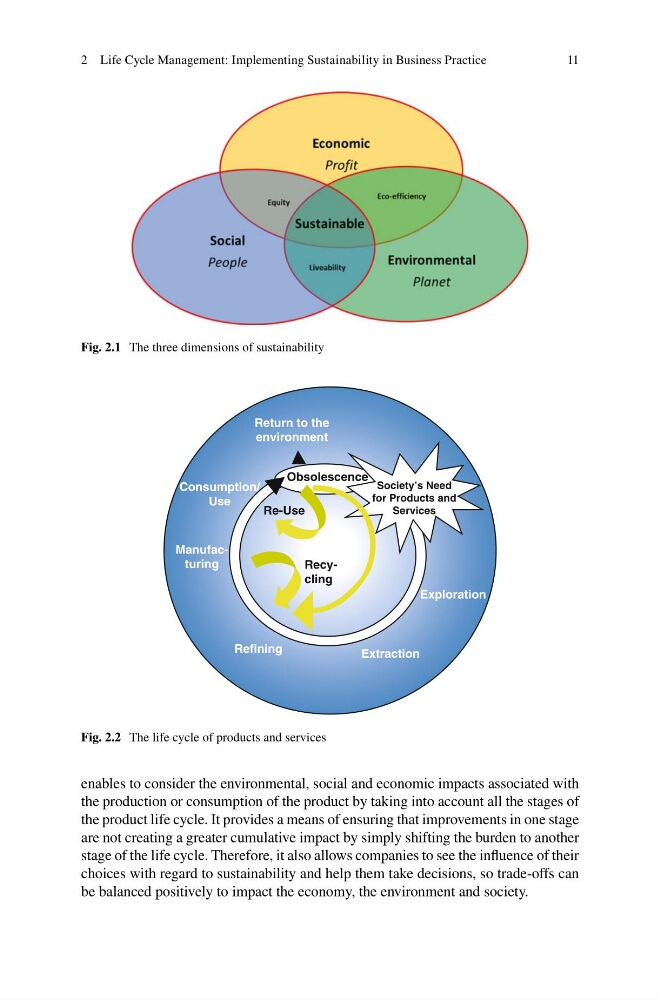
Fig. 2.1 The three dimensions of sustainability
Return to the
environment
Consumption/
Use
Manufacturing
Recycling
Re-Use
Obsolescence
Society’s Need
for Products and
Services
Exploration
Extraction
Refining
Fig. 2.2 The life cycle of products and services
2 Life Cycle Management: Implementing Sustainability in Business Practice
enables to consider the environmental, social and economic impacts associated with
the production or consumption of the product by taking into account all the stages of
the product life cycle. It provides a means of ensuring that improvements in one stage
are not creating a greater cumulative impact by simply shifting the burden to another
stage of the life cycle. Therefore, it also allows companies to see the infl uence of their
choices with regard to sustainability and help them take decisions, so trade-offs can
be balanced positively to impact the economy, the environment and society.
Fig. 2.1 The three dimensions of sustainability
Return to the
environment
Consumption/
Use
Manufacturing
Recycling
Re-Use
Obsolescence
Society’s Need
for Products and
Services
Exploration
Extraction
Refining
Fig. 2.2 The life cycle of products and services
2 Life Cycle Management: Implementing Sustainability in Business Practice