

At site-level, climate change will lead to different conditions for the remaining
habitats. Especially affected are water-based ecosystems, such as wetlands and
rivers, but also the composition of forested areas and grasslands. Climate changerelated impacts can be manifold (Table 1.1). Generally, all areas will be affected by
more frequent extreme weather events, warming, changes in species composition
and pattern (loss of habitats in the extreme case), migration of species, and
expansion of invasive species. These impacts are usually accompanied and partly
intensified by anthropogenic influences caused by land use.
1.5 Contents of the Book and Case Studies
This book sets out to meet the growing need for sharing knowledge and experiences
in the area of biodiversity conservation and climate change. It builds on the results
of the transdisciplinary HABIT-CHANGE project. Similar to the project, the book
consists of a theoretical/methodical and a case study/practice-based part. It provides
an overview on data, methods, models, and plans used within the project sharing the
experiences of putting adaptation strategies, management measures, as well as
monitoring into conservation action.
The first part of the book provides necessary background information on climate
trends in Central and Eastern Europe and their effects on abiotic and biotic
components. It discusses climate change-adapted management issues with an
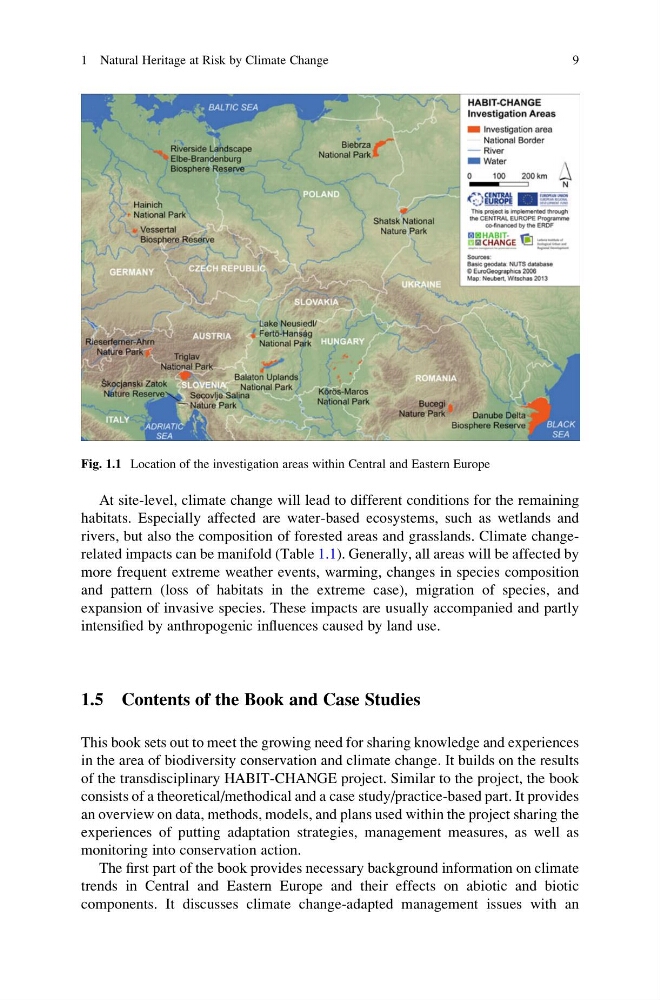
Fig. 1.1 Location of the investigation areas within Central and Eastern Europe
1 Natural Heritage at Risk by Climate Change
9
habitats. Especially affected are water-based ecosystems, such as wetlands and
rivers, but also the composition of forested areas and grasslands. Climate changerelated impacts can be manifold (Table 1.1). Generally, all areas will be affected by
more frequent extreme weather events, warming, changes in species composition
and pattern (loss of habitats in the extreme case), migration of species, and
expansion of invasive species. These impacts are usually accompanied and partly
intensified by anthropogenic influences caused by land use.
1.5 Contents of the Book and Case Studies
This book sets out to meet the growing need for sharing knowledge and experiences
in the area of biodiversity conservation and climate change. It builds on the results
of the transdisciplinary HABIT-CHANGE project. Similar to the project, the book
consists of a theoretical/methodical and a case study/practice-based part. It provides
an overview on data, methods, models, and plans used within the project sharing the
experiences of putting adaptation strategies, management measures, as well as
monitoring into conservation action.
The first part of the book provides necessary background information on climate
trends in Central and Eastern Europe and their effects on abiotic and biotic
components. It discusses climate change-adapted management issues with an
Fig. 1.1 Location of the investigation areas within Central and Eastern Europe
1 Natural Heritage at Risk by Climate Change
9