

84
2 Experiments in Pebble Flows
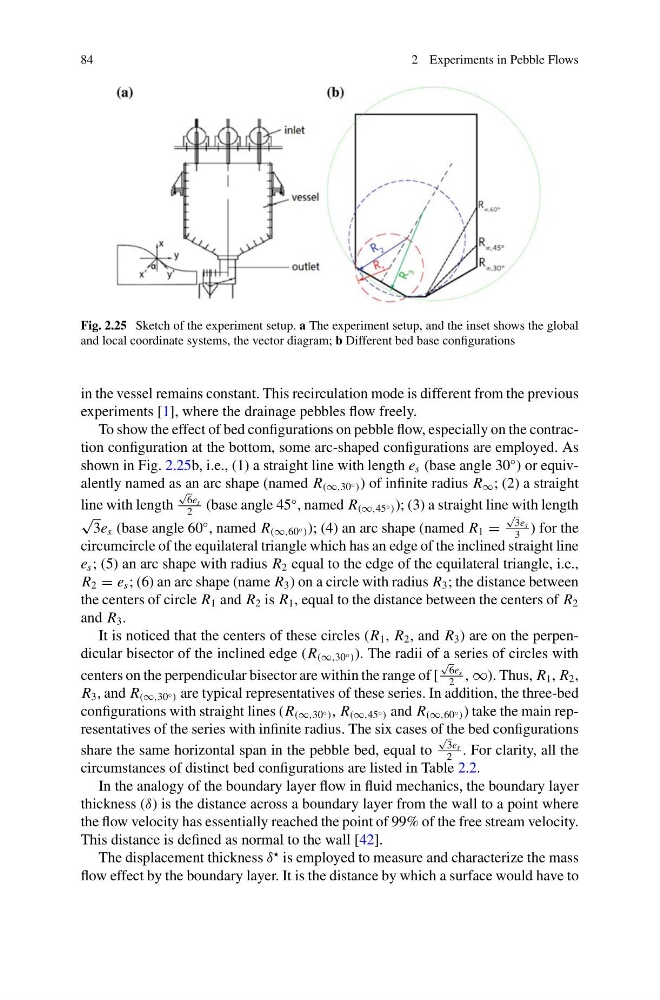
Fig. 2.25 Sketch of the experiment setup. a The experiment setup, and the inset shows the global
and local coordinate systems, the vector diagram; b Different bed base configurations
in the vessel remains constant. This recirculation mode is different from the previous
experiments [1], where the drainage pebbles flow freely.
To show the effect of bed configurations on pebble flow, especially on the contraction configuration at the bottom, some arc-shaped configurations are employed. As
shown in Fig. 2.25b, i.e., (1) a straight line with length e s (base angle 30
◦ ) or equivalently named as an arc shape (named R (∞,30 ◦ ) ) of infinite radius R ∞ ; (2) a straight
line with length
√
6e s
2
(base angle 45
◦ , named R (∞,45 ◦ ) ); (3) a straight line with length
√
3e s (base angle 60
◦ , named R (∞,60 ◦ ) ); (4) an arc shape (named R 1 =
√
3e s
3
) for the
circumcircle of the equilateral triangle which has an edge of the inclined straight line
e s ; (5) an arc shape with radius R 2 equal to the edge of the equilateral triangle, i.e.,
R 2 = e s ; (6) an arc shape (name R 3 ) on a circle with radius R 3 ; the distance between
the centers of circle R 1 and R 2 is R 1 , equal to the distance between the centers of R 2
and R 3 .
It is noticed that the centers of these circles (R 1 , R 2 , and R 3 ) are on the perpendicular bisector of the inclined edge (R (∞,30 ◦ ) ). The radii of a series of circles with
centers on the perpendicular bisector are within the range of [
√
6e s
2
, ∞). Thus, R 1 , R 2 ,
R 3 , and R (∞,30 ◦ ) are typical representatives of these series. In addition, the three-bed
configurations with straight lines (R (∞,30 ◦ ) , R (∞,45 ◦ ) and R (∞,60 ◦ ) ) take the main representatives of the series with infinite radius. The six cases of the bed configurations
share the same horizontal span in the pebble bed, equal to
√
3e s
2
. For clarity, all the
circumstances of distinct bed configurations are listed in Table 2.2.
In the analogy of the boundary layer flow in fluid mechanics, the boundary layer
thickness (δ) is the distance across a boundary layer from the wall to a point where
the flow velocity has essentially reached the point of 99% of the free stream velocity.
This distance is defined as normal to the wall [42].
The displacement thickness δ
is employed to measure and characterize the mass
flow effect by the boundary layer. It is the distance by which a surface would have to
2 Experiments in Pebble Flows
Fig. 2.25 Sketch of the experiment setup. a The experiment setup, and the inset shows the global
and local coordinate systems, the vector diagram; b Different bed base configurations
in the vessel remains constant. This recirculation mode is different from the previous
experiments [1], where the drainage pebbles flow freely.
To show the effect of bed configurations on pebble flow, especially on the contraction configuration at the bottom, some arc-shaped configurations are employed. As
shown in Fig. 2.25b, i.e., (1) a straight line with length e s (base angle 30
◦ ) or equivalently named as an arc shape (named R (∞,30 ◦ ) ) of infinite radius R ∞ ; (2) a straight
line with length
√
6e s
2
(base angle 45
◦ , named R (∞,45 ◦ ) ); (3) a straight line with length
√
3e s (base angle 60
◦ , named R (∞,60 ◦ ) ); (4) an arc shape (named R 1 =
√
3e s
3
) for the
circumcircle of the equilateral triangle which has an edge of the inclined straight line
e s ; (5) an arc shape with radius R 2 equal to the edge of the equilateral triangle, i.e.,
R 2 = e s ; (6) an arc shape (name R 3 ) on a circle with radius R 3 ; the distance between
the centers of circle R 1 and R 2 is R 1 , equal to the distance between the centers of R 2
and R 3 .
It is noticed that the centers of these circles (R 1 , R 2 , and R 3 ) are on the perpendicular bisector of the inclined edge (R (∞,30 ◦ ) ). The radii of a series of circles with
centers on the perpendicular bisector are within the range of [
√
6e s
2
, ∞). Thus, R 1 , R 2 ,
R 3 , and R (∞,30 ◦ ) are typical representatives of these series. In addition, the three-bed
configurations with straight lines (R (∞,30 ◦ ) , R (∞,45 ◦ ) and R (∞,60 ◦ ) ) take the main representatives of the series with infinite radius. The six cases of the bed configurations
share the same horizontal span in the pebble bed, equal to
√
3e s
2
. For clarity, all the
circumstances of distinct bed configurations are listed in Table 2.2.
In the analogy of the boundary layer flow in fluid mechanics, the boundary layer
thickness (δ) is the distance across a boundary layer from the wall to a point where
the flow velocity has essentially reached the point of 99% of the free stream velocity.
This distance is defined as normal to the wall [42].
The displacement thickness δ
is employed to measure and characterize the mass
flow effect by the boundary layer. It is the distance by which a surface would have to