

56
2 Experiments in Pebble Flows
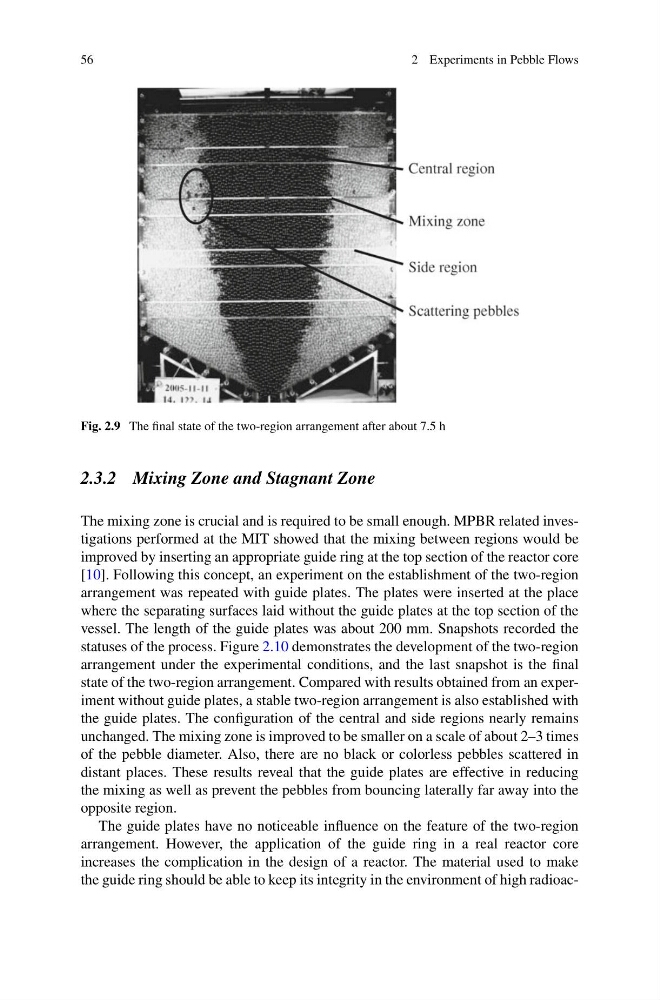
Fig. 2.9 The final state of the two-region arrangement after about 7.5 h
2.3.2 Mixing Zone and Stagnant Zone
The mixing zone is crucial and is required to be small enough. MPBR related investigations performed at the MIT showed that the mixing between regions would be
improved by inserting an appropriate guide ring at the top section of the reactor core
[10]. Following this concept, an experiment on the establishment of the two-region
arrangement was repeated with guide plates. The plates were inserted at the place
where the separating surfaces laid without the guide plates at the top section of the
vessel. The length of the guide plates was about 200 mm. Snapshots recorded the
statuses of the process. Figure 2.10 demonstrates the development of the two-region
arrangement under the experimental conditions, and the last snapshot is the final
state of the two-region arrangement. Compared with results obtained from an experiment without guide plates, a stable two-region arrangement is also established with
the guide plates. The configuration of the central and side regions nearly remains
unchanged. The mixing zone is improved to be smaller on a scale of about 2–3 times
of the pebble diameter. Also, there are no black or colorless pebbles scattered in
distant places. These results reveal that the guide plates are effective in reducing
the mixing as well as prevent the pebbles from bouncing laterally far away into the
opposite region.
The guide plates have no noticeable influence on the feature of the two-region
arrangement. However, the application of the guide ring in a real reactor core
increases the complication in the design of a reactor. The material used to make
the guide ring should be able to keep its integrity in the environment of high radioac-
2 Experiments in Pebble Flows
Fig. 2.9 The final state of the two-region arrangement after about 7.5 h
2.3.2 Mixing Zone and Stagnant Zone
The mixing zone is crucial and is required to be small enough. MPBR related investigations performed at the MIT showed that the mixing between regions would be
improved by inserting an appropriate guide ring at the top section of the reactor core
[10]. Following this concept, an experiment on the establishment of the two-region
arrangement was repeated with guide plates. The plates were inserted at the place
where the separating surfaces laid without the guide plates at the top section of the
vessel. The length of the guide plates was about 200 mm. Snapshots recorded the
statuses of the process. Figure 2.10 demonstrates the development of the two-region
arrangement under the experimental conditions, and the last snapshot is the final
state of the two-region arrangement. Compared with results obtained from an experiment without guide plates, a stable two-region arrangement is also established with
the guide plates. The configuration of the central and side regions nearly remains
unchanged. The mixing zone is improved to be smaller on a scale of about 2–3 times
of the pebble diameter. Also, there are no black or colorless pebbles scattered in
distant places. These results reveal that the guide plates are effective in reducing
the mixing as well as prevent the pebbles from bouncing laterally far away into the
opposite region.
The guide plates have no noticeable influence on the feature of the two-region
arrangement. However, the application of the guide ring in a real reactor core
increases the complication in the design of a reactor. The material used to make
the guide ring should be able to keep its integrity in the environment of high radioac-