

242
8 Keyhole and Weld Pool Dynamics in Laser Welding with Filler Wires
Time/ms
"Wire" element
Ti element
Al element
Si element
Concentration/(x 100%)
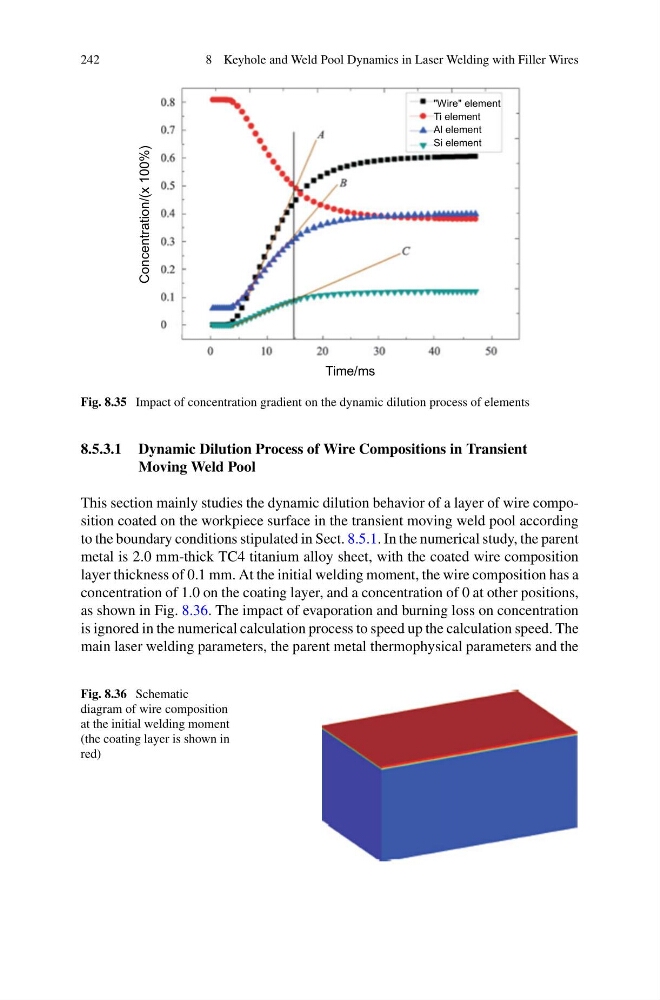
Fig. 8.35 Impact of concentration gradient on the dynamic dilution process of elements
8.5.3.1 Dynamic Dilution Process of Wire Compositions in Transient
Moving Weld Pool
This section mainly studies the dynamic dilution behavior of a layer of wire composition coated on the workpiece surface in the transient moving weld pool according
to the boundary conditions stipulated in Sect. 8.5.1. In the numerical study, the parent
metal is 2.0 mm-thick TC4 titanium alloy sheet, with the coated wire composition
layer thickness of 0.1 mm. At the initial welding moment, the wire composition has a
concentration of 1.0 on the coating layer, and a concentration of 0 at other positions,
as shown in Fig. 8.36. The impact of evaporation and burning loss on concentration
is ignored in the numerical calculation process to speed up the calculation speed. The
main laser welding parameters, the parent metal thermophysical parameters and the
Fig. 8.36 Schematic
diagram of wire composition
at the initial welding moment
(the coating layer is shown in
red)
8 Keyhole and Weld Pool Dynamics in Laser Welding with Filler Wires
Time/ms
"Wire" element
Ti element
Al element
Si element
Concentration/(x 100%)
Fig. 8.35 Impact of concentration gradient on the dynamic dilution process of elements
8.5.3.1 Dynamic Dilution Process of Wire Compositions in Transient
Moving Weld Pool
This section mainly studies the dynamic dilution behavior of a layer of wire composition coated on the workpiece surface in the transient moving weld pool according
to the boundary conditions stipulated in Sect. 8.5.1. In the numerical study, the parent
metal is 2.0 mm-thick TC4 titanium alloy sheet, with the coated wire composition
layer thickness of 0.1 mm. At the initial welding moment, the wire composition has a
concentration of 1.0 on the coating layer, and a concentration of 0 at other positions,
as shown in Fig. 8.36. The impact of evaporation and burning loss on concentration
is ignored in the numerical calculation process to speed up the calculation speed. The
main laser welding parameters, the parent metal thermophysical parameters and the
Fig. 8.36 Schematic
diagram of wire composition
at the initial welding moment
(the coating layer is shown in
red)