

7.9 Two-Dimensional Functions
185
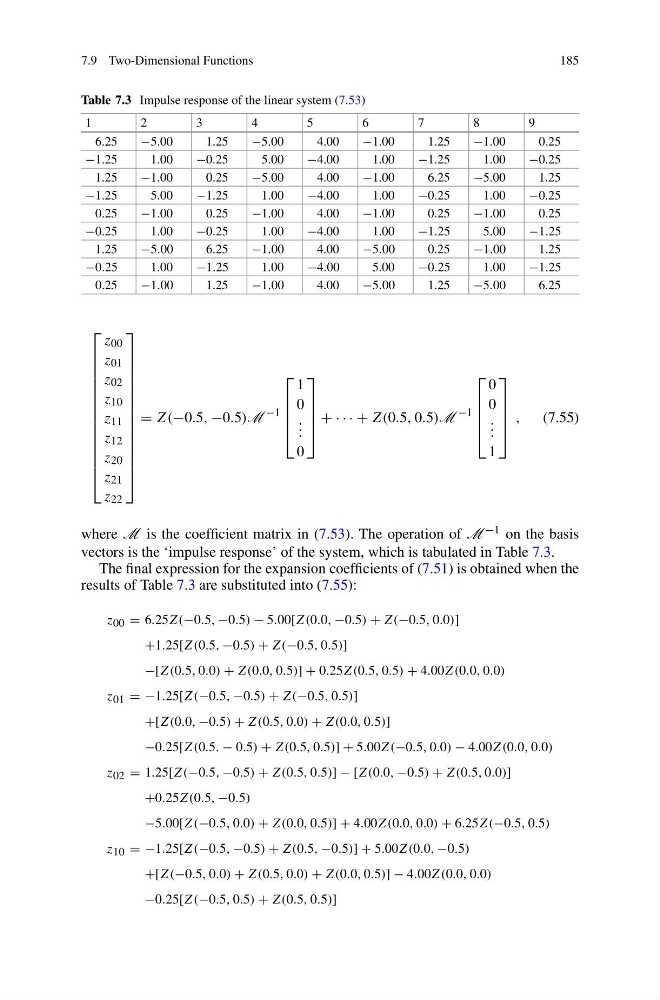
Table 7.3 Impulse response of the linear system (7.53)
1
2
3
4
5
6
7
8
9
6.25
−5.00
1.25
−5.00
4.00
−1.00
1.25
−1.00
0.25
−1.25
1.00
−0.25
5.00
−4.00
1.00
−1.25
1.00
−0.25
1.25
−1.00
0.25
−5.00
4.00
−1.00
6.25
−5.00
1.25
−1.25
5.00
−1.25
1.00
−4.00
1.00
−0.25
1.00
−0.25
0.25
−1.00
0.25
−1.00
4.00
−1.00
0.25
−1.00
0.25
−0.25
1.00
−0.25
1.00
−4.00
1.00
−1.25
5.00
−1.25
1.25
−5.00
6.25
−1.00
4.00
−5.00
0.25
−1.00
1.25
−0.25
1.00
−1.25
1.00
−4.00
5.00
−0.25
1.00
−1.25
0.25
−1.00
1.25
−1.00
4.00
−5.00
1.25
−5.00
6.25
⎡
⎢
⎢
⎢
⎢
⎢
⎢
⎢
⎢
⎢
⎢
⎢
⎢
⎢
⎣
z 00
z 01
z 02
z 10
z 11
z 12
z 20
z 21
z 22
⎤
⎥
⎥
⎥
⎥
⎥
⎥
⎥
⎥
⎥
⎥
⎥
⎥
⎥
⎦
= Z(−0.5, −0.5)M
−1
⎡
⎢
⎢
⎢
⎣
1
0
. . .
0
⎤
⎥
⎥
⎥
⎦
+ · · · + Z(0.5, 0.5)M
−1
⎡
⎢
⎢
⎢
⎣
0
0
. . .
1
⎤
⎥
⎥
⎥
⎦
,
(7.55)
where M is the coefficient matrix in (7.53). The operation of M −1 on the basis
vectors is the ‘impulse response’ of the system, which is tabulated in Table 7.3.
The final expression for the expansion coefficients of (7.51) is obtained when the
results of Table 7.3 are substituted into (7.55):
z 00 = 6.25Z(−0.5, −0.5) − 5.00[Z(0.0, −0.5) + Z(−0.5, 0.0)]
+1.25[Z(0.5, −0.5) + Z(−0.5, 0.5)]
−[Z(0.5, 0.0) + Z(0.0, 0.5)] + 0.25Z(0.5, 0.5) + 4.00Z(0.0, 0.0)
z 01 = −1.25[Z(−0.5, −0.5) + Z(−0.5, 0.5)]
+[Z(0.0, −0.5) + Z(0.5, 0.0) + Z(0.0, 0.5)]
−0.25[Z(0.5. − 0.5) + Z(0.5, 0.5)] + 5.00Z(−0.5, 0.0) − 4.00Z(0.0, 0.0)
z 02 = 1.25[Z(−0.5, −0.5) + Z(0.5, 0.5)] − [Z(0.0, −0.5) + Z(0.5, 0.0)]
+0.25Z(0.5, −0.5)
−5.00[Z(−0.5, 0.0) + Z(0.0, 0.5)] + 4.00Z(0.0, 0.0) + 6.25Z(−0.5, 0.5)
z 10 = −1.25[Z(−0.5, −0.5) + Z(0.5, −0.5)] + 5.00Z(0.0, −0.5)
+[Z(−0.5, 0.0) + Z(0.5, 0.0) + Z(0.0, 0.5)] − 4.00Z(0.0, 0.0)
−0.25[Z(−0.5, 0.5) + Z(0.5, 0.5)]
185
Table 7.3 Impulse response of the linear system (7.53)
1
2
3
4
5
6
7
8
9
6.25
−5.00
1.25
−5.00
4.00
−1.00
1.25
−1.00
0.25
−1.25
1.00
−0.25
5.00
−4.00
1.00
−1.25
1.00
−0.25
1.25
−1.00
0.25
−5.00
4.00
−1.00
6.25
−5.00
1.25
−1.25
5.00
−1.25
1.00
−4.00
1.00
−0.25
1.00
−0.25
0.25
−1.00
0.25
−1.00
4.00
−1.00
0.25
−1.00
0.25
−0.25
1.00
−0.25
1.00
−4.00
1.00
−1.25
5.00
−1.25
1.25
−5.00
6.25
−1.00
4.00
−5.00
0.25
−1.00
1.25
−0.25
1.00
−1.25
1.00
−4.00
5.00
−0.25
1.00
−1.25
0.25
−1.00
1.25
−1.00
4.00
−5.00
1.25
−5.00
6.25
⎡
⎢
⎢
⎢
⎢
⎢
⎢
⎢
⎢
⎢
⎢
⎢
⎢
⎢
⎣
z 00
z 01
z 02
z 10
z 11
z 12
z 20
z 21
z 22
⎤
⎥
⎥
⎥
⎥
⎥
⎥
⎥
⎥
⎥
⎥
⎥
⎥
⎥
⎦
= Z(−0.5, −0.5)M
−1
⎡
⎢
⎢
⎢
⎣
1
0
. . .
0
⎤
⎥
⎥
⎥
⎦
+ · · · + Z(0.5, 0.5)M
−1
⎡
⎢
⎢
⎢
⎣
0
0
. . .
1
⎤
⎥
⎥
⎥
⎦
,
(7.55)
where M is the coefficient matrix in (7.53). The operation of M −1 on the basis
vectors is the ‘impulse response’ of the system, which is tabulated in Table 7.3.
The final expression for the expansion coefficients of (7.51) is obtained when the
results of Table 7.3 are substituted into (7.55):
z 00 = 6.25Z(−0.5, −0.5) − 5.00[Z(0.0, −0.5) + Z(−0.5, 0.0)]
+1.25[Z(0.5, −0.5) + Z(−0.5, 0.5)]
−[Z(0.5, 0.0) + Z(0.0, 0.5)] + 0.25Z(0.5, 0.5) + 4.00Z(0.0, 0.0)
z 01 = −1.25[Z(−0.5, −0.5) + Z(−0.5, 0.5)]
+[Z(0.0, −0.5) + Z(0.5, 0.0) + Z(0.0, 0.5)]
−0.25[Z(0.5. − 0.5) + Z(0.5, 0.5)] + 5.00Z(−0.5, 0.0) − 4.00Z(0.0, 0.0)
z 02 = 1.25[Z(−0.5, −0.5) + Z(0.5, 0.5)] − [Z(0.0, −0.5) + Z(0.5, 0.0)]
+0.25Z(0.5, −0.5)
−5.00[Z(−0.5, 0.0) + Z(0.0, 0.5)] + 4.00Z(0.0, 0.0) + 6.25Z(−0.5, 0.5)
z 10 = −1.25[Z(−0.5, −0.5) + Z(0.5, −0.5)] + 5.00Z(0.0, −0.5)
+[Z(−0.5, 0.0) + Z(0.5, 0.0) + Z(0.0, 0.5)] − 4.00Z(0.0, 0.0)
−0.25[Z(−0.5, 0.5) + Z(0.5, 0.5)]