

14
aligned (Eogan, 1986: 178–179). However, the rough alignment of the corridors and
other aspects to be considered has forced a completely different interpretation of the
data, discarding any kind of ‘equinox’ as responsible for the tomb orientations
(Ruggles, 1999: 129).
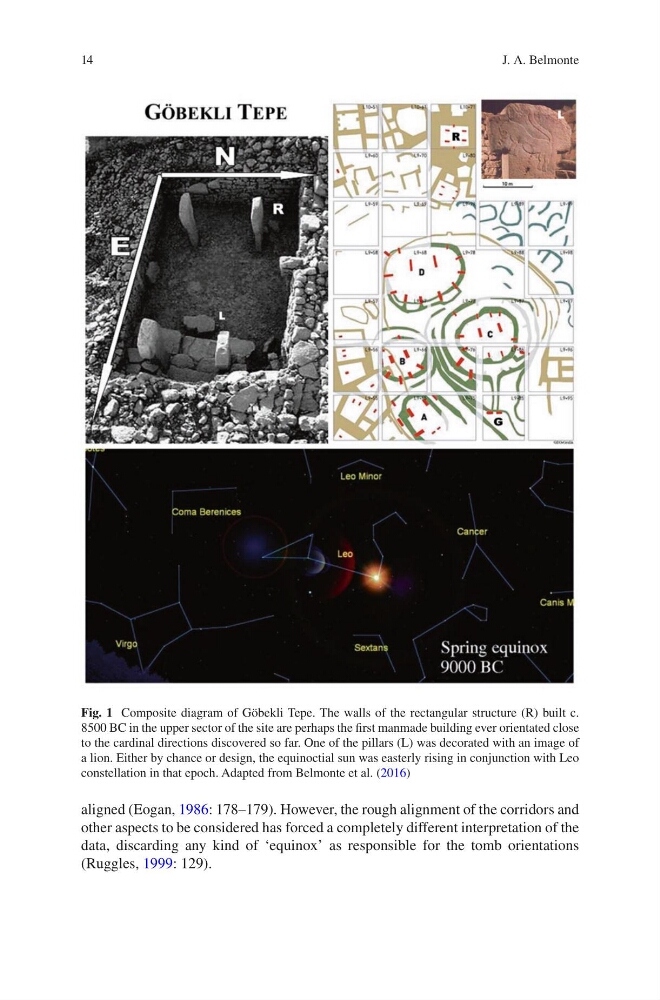
Fig. 1 Composite diagram of Göbekli Tepe. The walls of the rectangular structure (R) built c.
8500 BC in the upper sector of the site are perhaps the first manmade building ever orientated close
to the cardinal directions discovered so far. One of the pillars (L) was decorated with an image of
a lion. Either by chance or design, the equinoctial sun was easterly rising in conjunction with Leo
constellation in that epoch. Adapted from Belmonte et al. (2016)
J. A. Belmonte
aligned (Eogan, 1986: 178–179). However, the rough alignment of the corridors and
other aspects to be considered has forced a completely different interpretation of the
data, discarding any kind of ‘equinox’ as responsible for the tomb orientations
(Ruggles, 1999: 129).
Fig. 1 Composite diagram of Göbekli Tepe. The walls of the rectangular structure (R) built c.
8500 BC in the upper sector of the site are perhaps the first manmade building ever orientated close
to the cardinal directions discovered so far. One of the pillars (L) was decorated with an image of
a lion. Either by chance or design, the equinoctial sun was easterly rising in conjunction with Leo
constellation in that epoch. Adapted from Belmonte et al. (2016)
J. A. Belmonte