

169
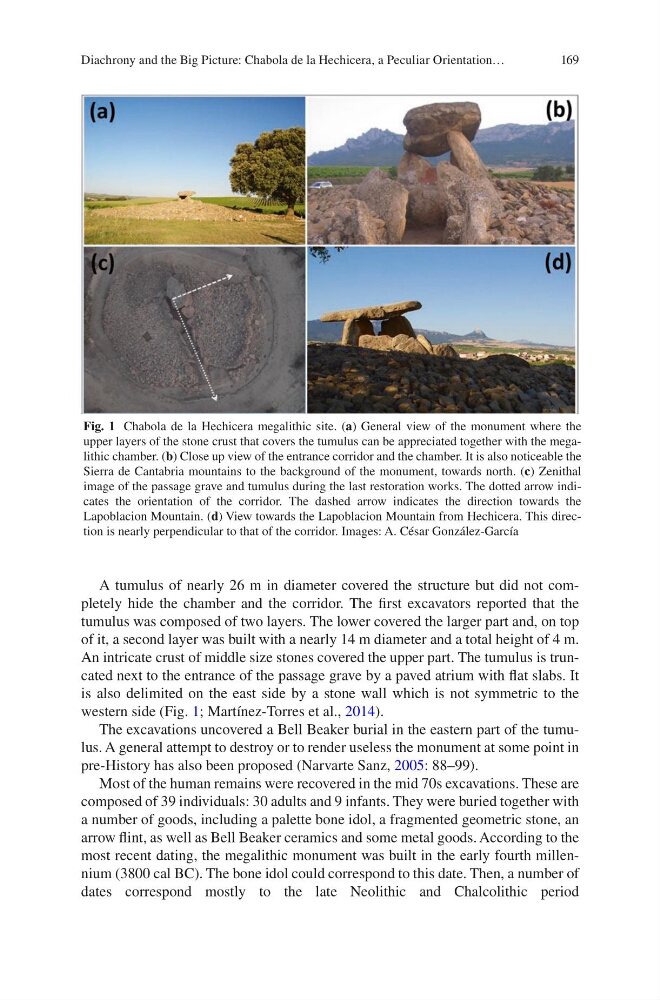
Fig. 1 Chabola de la Hechicera megalithic site. (a) General view of the monument where the
upper layers of the stone crust that covers the tumulus can be appreciated together with the megalithic chamber. (b) Close up view of the entrance corridor and the chamber. It is also noticeable the
Sierra de Cantabria mountains to the background of the monument, towards north. (c) Zenithal
image of the passage grave and tumulus during the last restoration works. The dotted arrow indicates the orientation of the corridor. The dashed arrow indicates the direction towards the
Lapoblacion Mountain. (d) View towards the Lapoblacion Mountain from Hechicera. This direction is nearly perpendicular to that of the corridor. Images: A. César González-García
A tumulus of nearly 26 m in diameter covered the structure but did not completely hide the chamber and the corridor. The first excavators reported that the
tumulus was composed of two layers. The lower covered the larger part and, on top
of it, a second layer was built with a nearly 14 m diameter and a total height of 4 m.
An intricate crust of middle size stones covered the upper part. The tumulus is truncated next to the entrance of the passage grave by a paved atrium with flat slabs. It
is also delimited on the east side by a stone wall which is not symmetric to the
western side (Fig. 1; Martínez-Torres et al., 2014).
The excavations uncovered a Bell Beaker burial in the eastern part of the tumulus. A general attempt to destroy or to render useless the monument at some point in
pre-History has also been proposed (Narvarte Sanz, 2005: 88–99).
Most of the human remains were recovered in the mid 70s excavations. These are
composed of 39 individuals: 30 adults and 9 infants. They were buried together with
a number of goods, including a palette bone idol, a fragmented geometric stone, an
arrow flint, as well as Bell Beaker ceramics and some metal goods. According to the
most recent dating, the megalithic monument was built in the early fourth millennium (3800 cal BC). The bone idol could correspond to this date. Then, a number of
dates correspond mostly to the late Neolithic and Chalcolithic period
Diachrony and the Big Picture: Chabola de la Hechicera, a Peculiar Orientation…
Fig. 1 Chabola de la Hechicera megalithic site. (a) General view of the monument where the
upper layers of the stone crust that covers the tumulus can be appreciated together with the megalithic chamber. (b) Close up view of the entrance corridor and the chamber. It is also noticeable the
Sierra de Cantabria mountains to the background of the monument, towards north. (c) Zenithal
image of the passage grave and tumulus during the last restoration works. The dotted arrow indicates the orientation of the corridor. The dashed arrow indicates the direction towards the
Lapoblacion Mountain. (d) View towards the Lapoblacion Mountain from Hechicera. This direction is nearly perpendicular to that of the corridor. Images: A. César González-García
A tumulus of nearly 26 m in diameter covered the structure but did not completely hide the chamber and the corridor. The first excavators reported that the
tumulus was composed of two layers. The lower covered the larger part and, on top
of it, a second layer was built with a nearly 14 m diameter and a total height of 4 m.
An intricate crust of middle size stones covered the upper part. The tumulus is truncated next to the entrance of the passage grave by a paved atrium with flat slabs. It
is also delimited on the east side by a stone wall which is not symmetric to the
western side (Fig. 1; Martínez-Torres et al., 2014).
The excavations uncovered a Bell Beaker burial in the eastern part of the tumulus. A general attempt to destroy or to render useless the monument at some point in
pre-History has also been proposed (Narvarte Sanz, 2005: 88–99).
Most of the human remains were recovered in the mid 70s excavations. These are
composed of 39 individuals: 30 adults and 9 infants. They were buried together with
a number of goods, including a palette bone idol, a fragmented geometric stone, an
arrow flint, as well as Bell Beaker ceramics and some metal goods. According to the
most recent dating, the megalithic monument was built in the early fourth millennium (3800 cal BC). The bone idol could correspond to this date. Then, a number of
dates correspond mostly to the late Neolithic and Chalcolithic period
Diachrony and the Big Picture: Chabola de la Hechicera, a Peculiar Orientation…