

2011). This oxygen decline is a result of warming-induced
decline in oxygen solubility and reduced ventilation of deep
ocean due to enhanced ocean surface stratification (Keeling
et al. 2010).
Future projections based on the CMIP5 models indicate
further warming of the Indian Ocean and a resultant decline
in marine primary productivity (Fig. 10.4, Bopp et al. 2013).
CMIP5 models also project a continuing decline in
open-ocean surface pH from the current mean of 8.1–7.8 by
the end of the twenty-first century, as a response to the
projected rise in CO 2 emissions (Bopp et al. 2013). Most
models project decreasing oxygen concentrations in the
ocean by 1–7% from present-day concentrations by 2100,
with global warming (Keeling et al. 2010; Bopp et al. 2013).
Interactions of rising temperatures, ocean acidification
and oxygen minimum zones narrow thermal ranges and
enhance sensitivity to temperature extremes in marine
organisms ranging from corals to fish. These negative effects
of increase in warming are projected to be most significant in
developing nations in tropical regions (high confidence,
IPCC AR5 2014). However, understanding the combined
effect of both low O 2 and low pH on marine ecosystems in
the Indian Ocean demands more active research in the Indian
Ocean.
10.5 Knowledge Gaps
Though we understand the extent and magnitude of the
warming trend, we still do not have a clear understanding on
the amount of heat entering and exiting the Indian Ocean
through the various ocean-atmospheric pathways. One of the
reasons is the inability to accurately perform a heat budget
analysis, due to lack of long-term high frequency data over
regions like the western Indian Ocean and the ITF
(Fig. 10.5). This need to be resolved with a combination of
Research Moored Array for African-Asian-Australian
Monsoon Analysis and Prediction (RAMA) moorings and
Argo buoys (and gliders where both do not function) which
measure ocean data at various timescales. Also, though Argo
floats can generally provide measurements up to a depth of
2000 m, only 60% of the floats do so. Hence, the uncertainty
in warming trends in the deeper ocean could be large, and
need to be addressed. Sustained measurements of air-sea
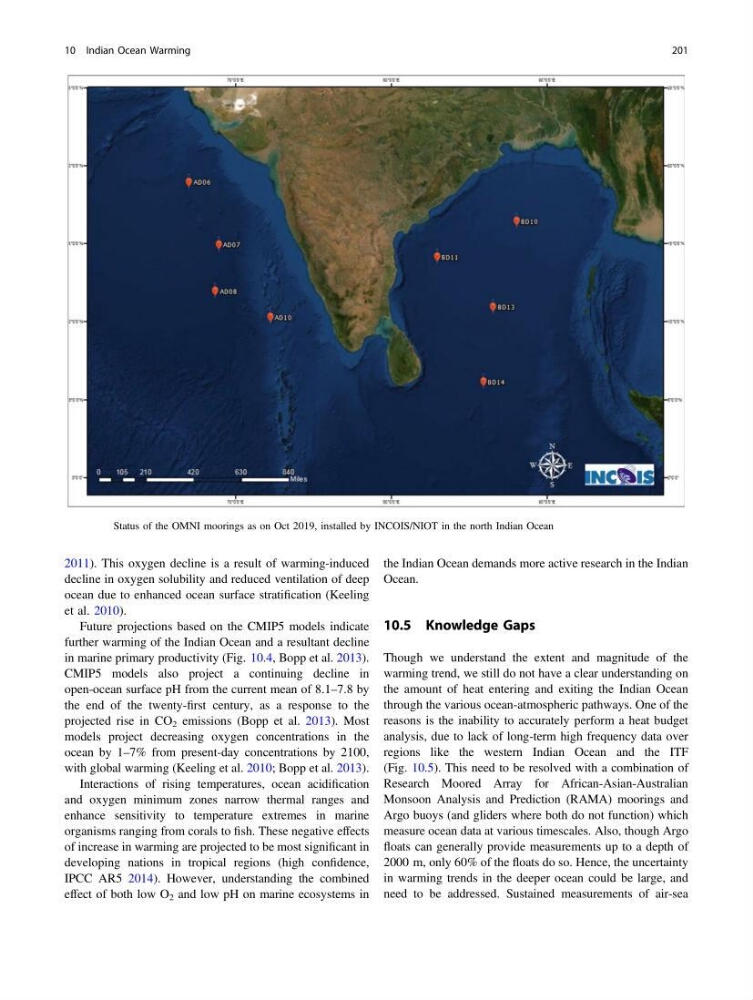
Fig. 10.6 Status of the OMNI moorings as on Oct 2019, installed by INCOIS/NIOT in the north Indian Ocean
10 Indian Ocean Warming
201
decline in oxygen solubility and reduced ventilation of deep
ocean due to enhanced ocean surface stratification (Keeling
et al. 2010).
Future projections based on the CMIP5 models indicate
further warming of the Indian Ocean and a resultant decline
in marine primary productivity (Fig. 10.4, Bopp et al. 2013).
CMIP5 models also project a continuing decline in
open-ocean surface pH from the current mean of 8.1–7.8 by
the end of the twenty-first century, as a response to the
projected rise in CO 2 emissions (Bopp et al. 2013). Most
models project decreasing oxygen concentrations in the
ocean by 1–7% from present-day concentrations by 2100,
with global warming (Keeling et al. 2010; Bopp et al. 2013).
Interactions of rising temperatures, ocean acidification
and oxygen minimum zones narrow thermal ranges and
enhance sensitivity to temperature extremes in marine
organisms ranging from corals to fish. These negative effects
of increase in warming are projected to be most significant in
developing nations in tropical regions (high confidence,
IPCC AR5 2014). However, understanding the combined
effect of both low O 2 and low pH on marine ecosystems in
the Indian Ocean demands more active research in the Indian
Ocean.
10.5 Knowledge Gaps
Though we understand the extent and magnitude of the
warming trend, we still do not have a clear understanding on
the amount of heat entering and exiting the Indian Ocean
through the various ocean-atmospheric pathways. One of the
reasons is the inability to accurately perform a heat budget
analysis, due to lack of long-term high frequency data over
regions like the western Indian Ocean and the ITF
(Fig. 10.5). This need to be resolved with a combination of
Research Moored Array for African-Asian-Australian
Monsoon Analysis and Prediction (RAMA) moorings and
Argo buoys (and gliders where both do not function) which
measure ocean data at various timescales. Also, though Argo
floats can generally provide measurements up to a depth of
2000 m, only 60% of the floats do so. Hence, the uncertainty
in warming trends in the deeper ocean could be large, and
need to be addressed. Sustained measurements of air-sea
Fig. 10.6 Status of the OMNI moorings as on Oct 2019, installed by INCOIS/NIOT in the north Indian Ocean
10 Indian Ocean Warming
201