

32
U. Fratesi and G. Perucca
Rivalry
(low)
(high)
Private
goods
c
i
f
Private fixed
capital stock
Pecuniary
externalities
Toll goods
Relational private
services operating on:
- external linkages of
firms
- transfer of R&D
results
Human capital and
pecuniary
externalities
Club
goods
b
h
e
Proprietary
networks and
collective goods:
- landscape
- cultural heritage
Cooperation networks
Governance on land
and cultural resources
Relational capital
Public
goods
a
g
d
Resources:
- natural
- cultural
Social overhead
capital:
infrastructure
Agglomeration and
district economies
Agencies for R&D
transcoding
Receptivity enhancing
tools
Connectivity
Social capital:
- institutions
- behaviors
- trust
- reputation
Tangible goods
(hard)
(hard + soft)
Mixed goods
Intangible goods
(soft)
Materiality
(high)
(low)
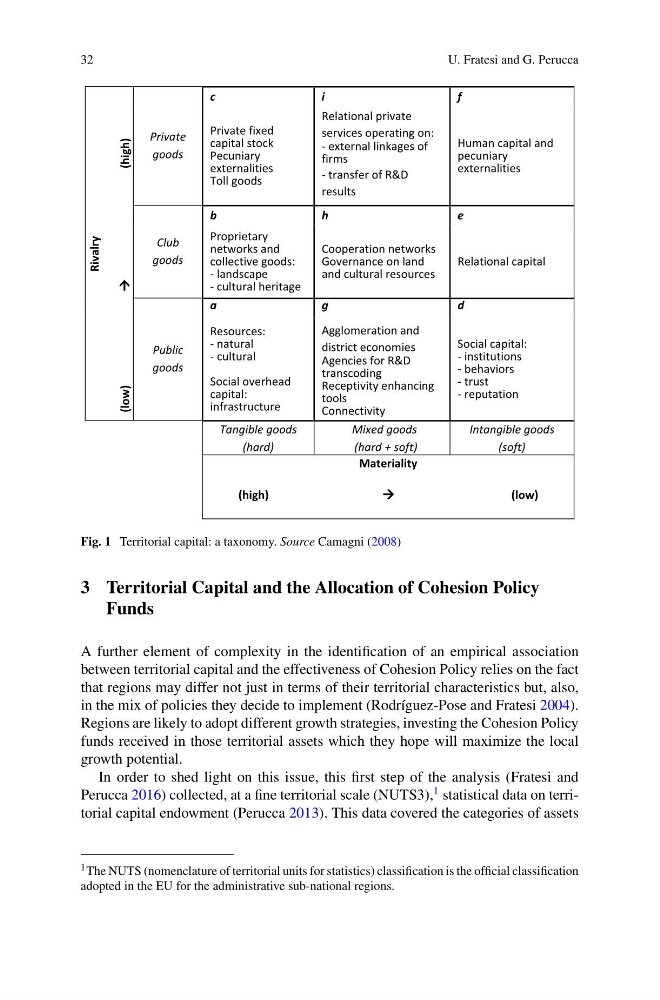
Fig. 1 Territorial capital: a taxonomy. Source Camagni (2008)
3 Territorial Capital and the Allocation of Cohesion Policy
Funds
A further element of complexity in the identification of an empirical association
between territorial capital and the effectiveness of Cohesion Policy relies on the fact
that regions may differ not just in terms of their territorial characteristics but, also,
in the mix of policies they decide to implement (Rodríguez-Pose and Fratesi 2004).
Regions are likely to adopt different growth strategies, investing the Cohesion Policy
funds received in those territorial assets which they hope will maximize the local
growth potential.
In order to shed light on this issue, this first step of the analysis (Fratesi and
Perucca 2016) collected, at a fine territorial scale (NUTS3),
1 statistical data on territorial capital endowment (Perucca 2013). This data covered the categories of assets
1 The NUTS (nomenclature of territorial units for statistics) classification is the official classification
adopted in the EU for the administrative sub-national regions.
U. Fratesi and G. Perucca
Rivalry
(low)
(high)
Private
goods
c
i
f
Private fixed
capital stock
Pecuniary
externalities
Toll goods
Relational private
services operating on:
- external linkages of
firms
- transfer of R&D
results
Human capital and
pecuniary
externalities
Club
goods
b
h
e
Proprietary
networks and
collective goods:
- landscape
- cultural heritage
Cooperation networks
Governance on land
and cultural resources
Relational capital
Public
goods
a
g
d
Resources:
- natural
- cultural
Social overhead
capital:
infrastructure
Agglomeration and
district economies
Agencies for R&D
transcoding
Receptivity enhancing
tools
Connectivity
Social capital:
- institutions
- behaviors
- trust
- reputation
Tangible goods
(hard)
(hard + soft)
Mixed goods
Intangible goods
(soft)
Materiality
(high)
(low)
Fig. 1 Territorial capital: a taxonomy. Source Camagni (2008)
3 Territorial Capital and the Allocation of Cohesion Policy
Funds
A further element of complexity in the identification of an empirical association
between territorial capital and the effectiveness of Cohesion Policy relies on the fact
that regions may differ not just in terms of their territorial characteristics but, also,
in the mix of policies they decide to implement (Rodríguez-Pose and Fratesi 2004).
Regions are likely to adopt different growth strategies, investing the Cohesion Policy
funds received in those territorial assets which they hope will maximize the local
growth potential.
In order to shed light on this issue, this first step of the analysis (Fratesi and
Perucca 2016) collected, at a fine territorial scale (NUTS3),
1 statistical data on territorial capital endowment (Perucca 2013). This data covered the categories of assets
1 The NUTS (nomenclature of territorial units for statistics) classification is the official classification
adopted in the EU for the administrative sub-national regions.