

Closing the Loops in Textile Architecture …
267
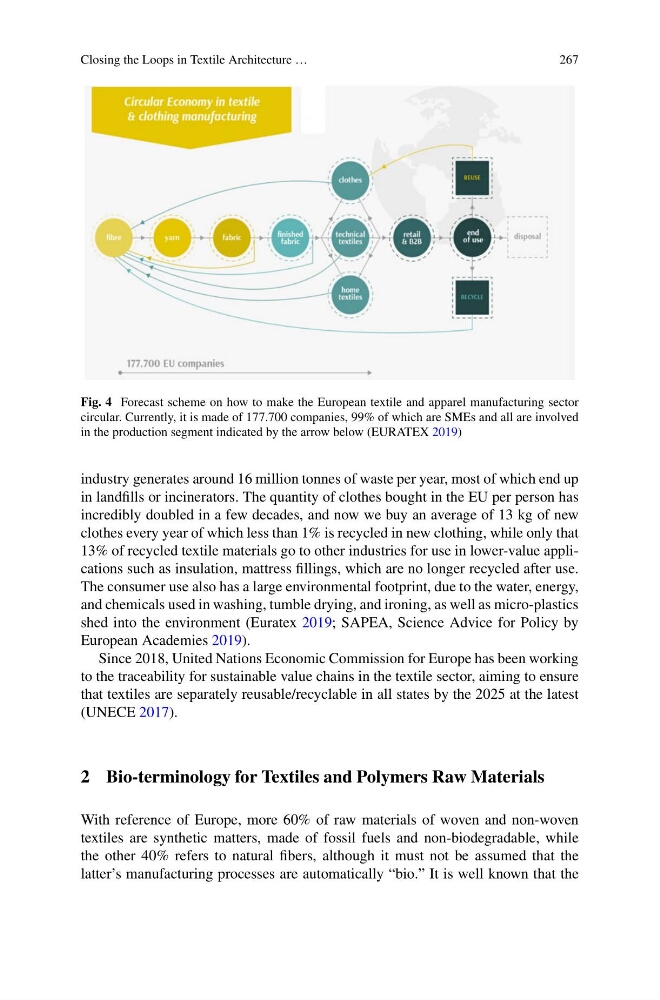
Fig. 4 Forecast scheme on how to make the European textile and apparel manufacturing sector
circular. Currently, it is made of 177.700 companies, 99% of which are SMEs and all are involved
in the production segment indicated by the arrow below (EURATEX 2019)
industry generates around 16 million tonnes of waste per year, most of which end up
in landfills or incinerators. The quantity of clothes bought in the EU per person has
incredibly doubled in a few decades, and now we buy an average of 13 kg of new
clothes every year of which less than 1% is recycled in new clothing, while only that
13% of recycled textile materials go to other industries for use in lower-value applications such as insulation, mattress fillings, which are no longer recycled after use.
The consumer use also has a large environmental footprint, due to the water, energy,
and chemicals used in washing, tumble drying, and ironing, as well as micro-plastics
shed into the environment (Euratex 2019; SAPEA, Science Advice for Policy by
European Academies 2019).
Since 2018, United Nations Economic Commission for Europe has been working
to the traceability for sustainable value chains in the textile sector, aiming to ensure
that textiles are separately reusable/recyclable in all states by the 2025 at the latest
(UNECE 2017).
2 Bio-terminology for Textiles and Polymers Raw Materials
With reference of Europe, more 60% of raw materials of woven and non-woven
textiles are synthetic matters, made of fossil fuels and non-biodegradable, while
the other 40% refers to natural fibers, although it must not be assumed that the
latter’s manufacturing processes are automatically “bio.” It is well known that the
267
Fig. 4 Forecast scheme on how to make the European textile and apparel manufacturing sector
circular. Currently, it is made of 177.700 companies, 99% of which are SMEs and all are involved
in the production segment indicated by the arrow below (EURATEX 2019)
industry generates around 16 million tonnes of waste per year, most of which end up
in landfills or incinerators. The quantity of clothes bought in the EU per person has
incredibly doubled in a few decades, and now we buy an average of 13 kg of new
clothes every year of which less than 1% is recycled in new clothing, while only that
13% of recycled textile materials go to other industries for use in lower-value applications such as insulation, mattress fillings, which are no longer recycled after use.
The consumer use also has a large environmental footprint, due to the water, energy,
and chemicals used in washing, tumble drying, and ironing, as well as micro-plastics
shed into the environment (Euratex 2019; SAPEA, Science Advice for Policy by
European Academies 2019).
Since 2018, United Nations Economic Commission for Europe has been working
to the traceability for sustainable value chains in the textile sector, aiming to ensure
that textiles are separately reusable/recyclable in all states by the 2025 at the latest
(UNECE 2017).
2 Bio-terminology for Textiles and Polymers Raw Materials
With reference of Europe, more 60% of raw materials of woven and non-woven
textiles are synthetic matters, made of fossil fuels and non-biodegradable, while
the other 40% refers to natural fibers, although it must not be assumed that the
latter’s manufacturing processes are automatically “bio.” It is well known that the