

144
E. Ginelli et al.
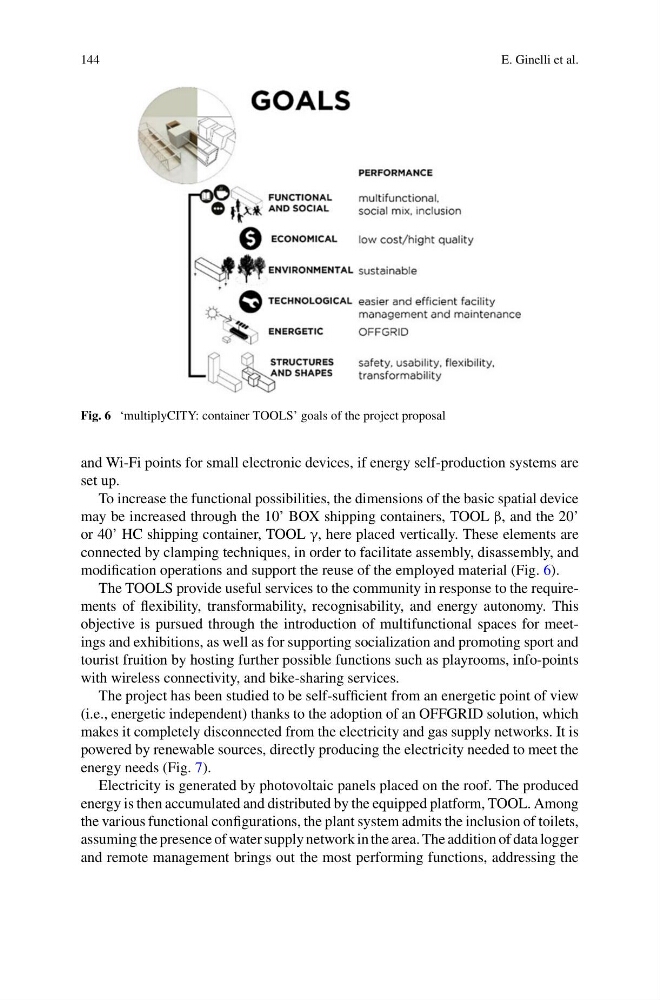
Fig. 6 ‘multiplyCITY: container TOOLS’ goals of the project proposal
and Wi-Fi points for small electronic devices, if energy self-production systems are
set up.
To increase the functional possibilities, the dimensions of the basic spatial device
may be increased through the 10’ BOX shipping containers, TOOL β, and the 20’
or 40’ HC shipping container, TOOL γ, here placed vertically. These elements are
connected by clamping techniques, in order to facilitate assembly, disassembly, and
modification operations and support the reuse of the employed material (Fig. 6).
The TOOLS provide useful services to the community in response to the requirements of flexibility, transformability, recognisability, and energy autonomy. This
objective is pursued through the introduction of multifunctional spaces for meetings and exhibitions, as well as for supporting socialization and promoting sport and
tourist fruition by hosting further possible functions such as playrooms, info-points
with wireless connectivity, and bike-sharing services.
The project has been studied to be self-sufficient from an energetic point of view
(i.e., energetic independent) thanks to the adoption of an OFFGRID solution, which
makes it completely disconnected from the electricity and gas supply networks. It is
powered by renewable sources, directly producing the electricity needed to meet the
energy needs (Fig. 7).
Electricity is generated by photovoltaic panels placed on the roof. The produced
energy is then accumulated and distributed by the equipped platform, TOOL. Among
the various functional configurations, the plant system admits the inclusion of toilets,
assuming the presence of water supply network in the area. The addition of data logger
and remote management brings out the most performing functions, addressing the
E. Ginelli et al.
Fig. 6 ‘multiplyCITY: container TOOLS’ goals of the project proposal
and Wi-Fi points for small electronic devices, if energy self-production systems are
set up.
To increase the functional possibilities, the dimensions of the basic spatial device
may be increased through the 10’ BOX shipping containers, TOOL β, and the 20’
or 40’ HC shipping container, TOOL γ, here placed vertically. These elements are
connected by clamping techniques, in order to facilitate assembly, disassembly, and
modification operations and support the reuse of the employed material (Fig. 6).
The TOOLS provide useful services to the community in response to the requirements of flexibility, transformability, recognisability, and energy autonomy. This
objective is pursued through the introduction of multifunctional spaces for meetings and exhibitions, as well as for supporting socialization and promoting sport and
tourist fruition by hosting further possible functions such as playrooms, info-points
with wireless connectivity, and bike-sharing services.
The project has been studied to be self-sufficient from an energetic point of view
(i.e., energetic independent) thanks to the adoption of an OFFGRID solution, which
makes it completely disconnected from the electricity and gas supply networks. It is
powered by renewable sources, directly producing the electricity needed to meet the
energy needs (Fig. 7).
Electricity is generated by photovoltaic panels placed on the roof. The produced
energy is then accumulated and distributed by the equipped platform, TOOL. Among
the various functional configurations, the plant system admits the inclusion of toilets,
assuming the presence of water supply network in the area. The addition of data logger
and remote management brings out the most performing functions, addressing the