

142
E. Ginelli et al.
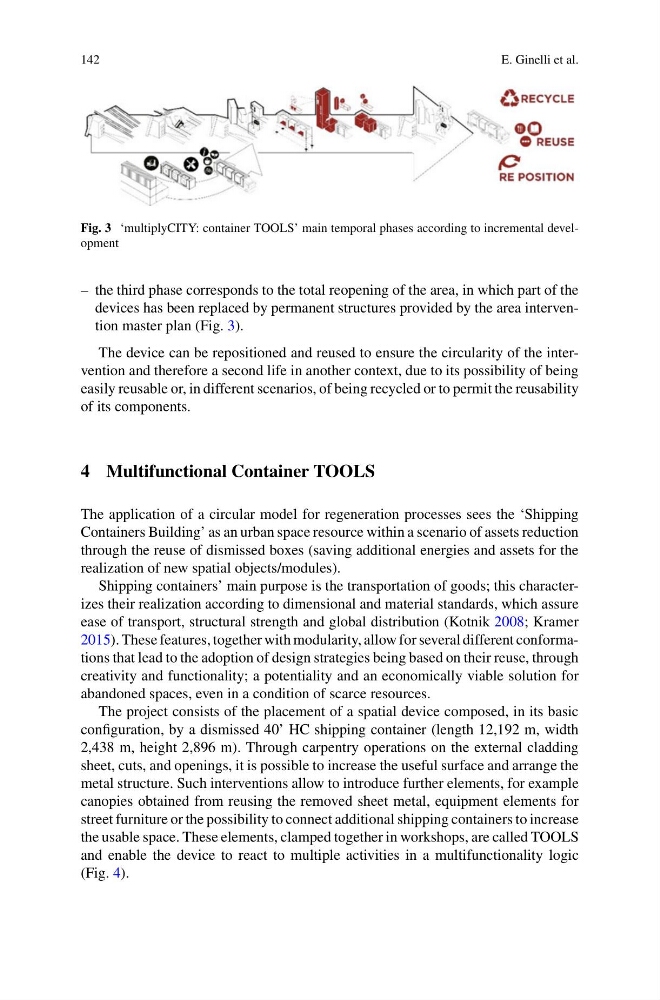
Fig. 3 ‘multiplyCITY: container TOOLS’ main temporal phases according to incremental development
– the third phase corresponds to the total reopening of the area, in which part of the
devices has been replaced by permanent structures provided by the area intervention master plan (Fig. 3).
The device can be repositioned and reused to ensure the circularity of the intervention and therefore a second life in another context, due to its possibility of being
easily reusable or, in different scenarios, of being recycled or to permit the reusability
of its components.
4 Multifunctional Container TOOLS
The application of a circular model for regeneration processes sees the ‘Shipping
Containers Building’ as an urban space resource within a scenario of assets reduction
through the reuse of dismissed boxes (saving additional energies and assets for the
realization of new spatial objects/modules).
Shipping containers’ main purpose is the transportation of goods; this characterizes their realization according to dimensional and material standards, which assure
ease of transport, structural strength and global distribution (Kotnik 2008; Kramer
2015). These features, together with modularity, allow for several different conformations that lead to the adoption of design strategies being based on their reuse, through
creativity and functionality; a potentiality and an economically viable solution for
abandoned spaces, even in a condition of scarce resources.
The project consists of the placement of a spatial device composed, in its basic
configuration, by a dismissed 40’ HC shipping container (length 12,192 m, width
2,438 m, height 2,896 m). Through carpentry operations on the external cladding
sheet, cuts, and openings, it is possible to increase the useful surface and arrange the
metal structure. Such interventions allow to introduce further elements, for example
canopies obtained from reusing the removed sheet metal, equipment elements for
street furniture or the possibility to connect additional shipping containers to increase
the usable space. These elements, clamped together in workshops, are called TOOLS
and enable the device to react to multiple activities in a multifunctionality logic
(Fig. 4).
E. Ginelli et al.
Fig. 3 ‘multiplyCITY: container TOOLS’ main temporal phases according to incremental development
– the third phase corresponds to the total reopening of the area, in which part of the
devices has been replaced by permanent structures provided by the area intervention master plan (Fig. 3).
The device can be repositioned and reused to ensure the circularity of the intervention and therefore a second life in another context, due to its possibility of being
easily reusable or, in different scenarios, of being recycled or to permit the reusability
of its components.
4 Multifunctional Container TOOLS
The application of a circular model for regeneration processes sees the ‘Shipping
Containers Building’ as an urban space resource within a scenario of assets reduction
through the reuse of dismissed boxes (saving additional energies and assets for the
realization of new spatial objects/modules).
Shipping containers’ main purpose is the transportation of goods; this characterizes their realization according to dimensional and material standards, which assure
ease of transport, structural strength and global distribution (Kotnik 2008; Kramer
2015). These features, together with modularity, allow for several different conformations that lead to the adoption of design strategies being based on their reuse, through
creativity and functionality; a potentiality and an economically viable solution for
abandoned spaces, even in a condition of scarce resources.
The project consists of the placement of a spatial device composed, in its basic
configuration, by a dismissed 40’ HC shipping container (length 12,192 m, width
2,438 m, height 2,896 m). Through carpentry operations on the external cladding
sheet, cuts, and openings, it is possible to increase the useful surface and arrange the
metal structure. Such interventions allow to introduce further elements, for example
canopies obtained from reusing the removed sheet metal, equipment elements for
street furniture or the possibility to connect additional shipping containers to increase
the usable space. These elements, clamped together in workshops, are called TOOLS
and enable the device to react to multiple activities in a multifunctionality logic
(Fig. 4).