

104
O. E. Bellini et al.
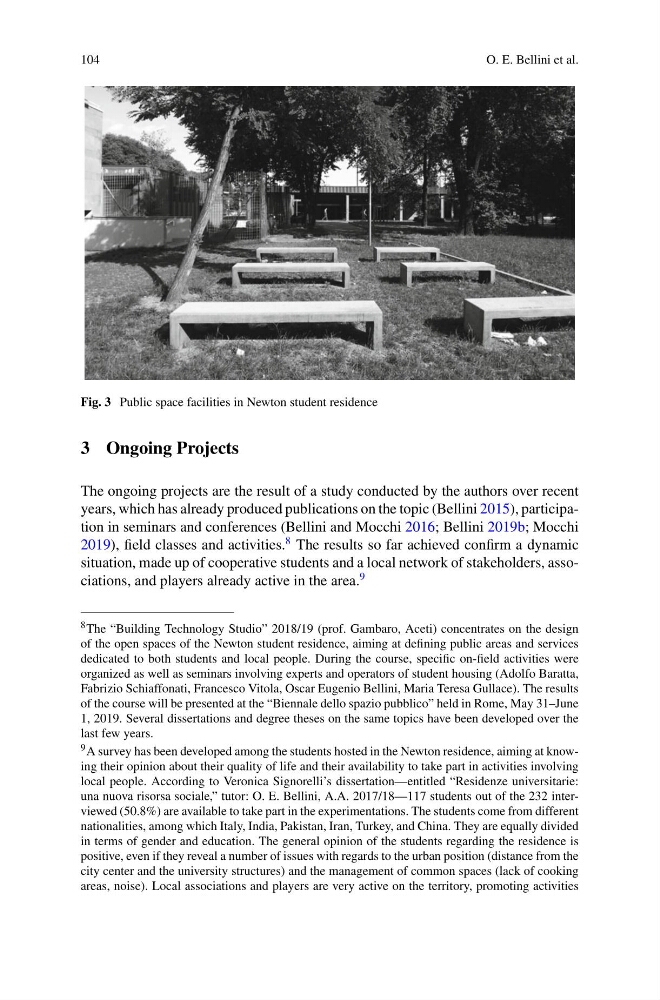
Fig. 3 Public space facilities in Newton student residence
3 Ongoing Projects
The ongoing projects are the result of a study conducted by the authors over recent
years, which has already produced publications on the topic (Bellini 2015), participation in seminars and conferences (Bellini and Mocchi 2016; Bellini 2019b; Mocchi
2019), field classes and activities.
8 The results so far achieved confirm a dynamic
situation, made up of cooperative students and a local network of stakeholders, associations, and players already active in the area.
9
8 The “Building Technology Studio” 2018/19 (prof. Gambaro, Aceti) concentrates on the design
of the open spaces of the Newton student residence, aiming at defining public areas and services
dedicated to both students and local people. During the course, specific on-field activities were
organized as well as seminars involving experts and operators of student housing (Adolfo Baratta,
Fabrizio Schiaffonati, Francesco Vitola, Oscar Eugenio Bellini, Maria Teresa Gullace). The results
of the course will be presented at the “Biennale dello spazio pubblico” held in Rome, May 31–June
1, 2019. Several dissertations and degree theses on the same topics have been developed over the
last few years.
9 A survey has been developed among the students hosted in the Newton residence, aiming at knowing their opinion about their quality of life and their availability to take part in activities involving
local people. According to Veronica Signorelli’s dissertation—entitled “Residenze universitarie:
una nuova risorsa sociale,” tutor: O. E. Bellini, A.A. 2017/18—117 students out of the 232 interviewed (50.8%) are available to take part in the experimentations. The students come from different
nationalities, among which Italy, India, Pakistan, Iran, Turkey, and China. They are equally divided
in terms of gender and education. The general opinion of the students regarding the residence is
positive, even if they reveal a number of issues with regards to the urban position (distance from the
city center and the university structures) and the management of common spaces (lack of cooking
areas, noise). Local associations and players are very active on the territory, promoting activities
O. E. Bellini et al.
Fig. 3 Public space facilities in Newton student residence
3 Ongoing Projects
The ongoing projects are the result of a study conducted by the authors over recent
years, which has already produced publications on the topic (Bellini 2015), participation in seminars and conferences (Bellini and Mocchi 2016; Bellini 2019b; Mocchi
2019), field classes and activities.
8 The results so far achieved confirm a dynamic
situation, made up of cooperative students and a local network of stakeholders, associations, and players already active in the area.
9
8 The “Building Technology Studio” 2018/19 (prof. Gambaro, Aceti) concentrates on the design
of the open spaces of the Newton student residence, aiming at defining public areas and services
dedicated to both students and local people. During the course, specific on-field activities were
organized as well as seminars involving experts and operators of student housing (Adolfo Baratta,
Fabrizio Schiaffonati, Francesco Vitola, Oscar Eugenio Bellini, Maria Teresa Gullace). The results
of the course will be presented at the “Biennale dello spazio pubblico” held in Rome, May 31–June
1, 2019. Several dissertations and degree theses on the same topics have been developed over the
last few years.
9 A survey has been developed among the students hosted in the Newton residence, aiming at knowing their opinion about their quality of life and their availability to take part in activities involving
local people. According to Veronica Signorelli’s dissertation—entitled “Residenze universitarie:
una nuova risorsa sociale,” tutor: O. E. Bellini, A.A. 2017/18—117 students out of the 232 interviewed (50.8%) are available to take part in the experimentations. The students come from different
nationalities, among which Italy, India, Pakistan, Iran, Turkey, and China. They are equally divided
in terms of gender and education. The general opinion of the students regarding the residence is
positive, even if they reveal a number of issues with regards to the urban position (distance from the
city center and the university structures) and the management of common spaces (lack of cooking
areas, noise). Local associations and players are very active on the territory, promoting activities