

Participated Strategies for Small Towns Regeneration …
93
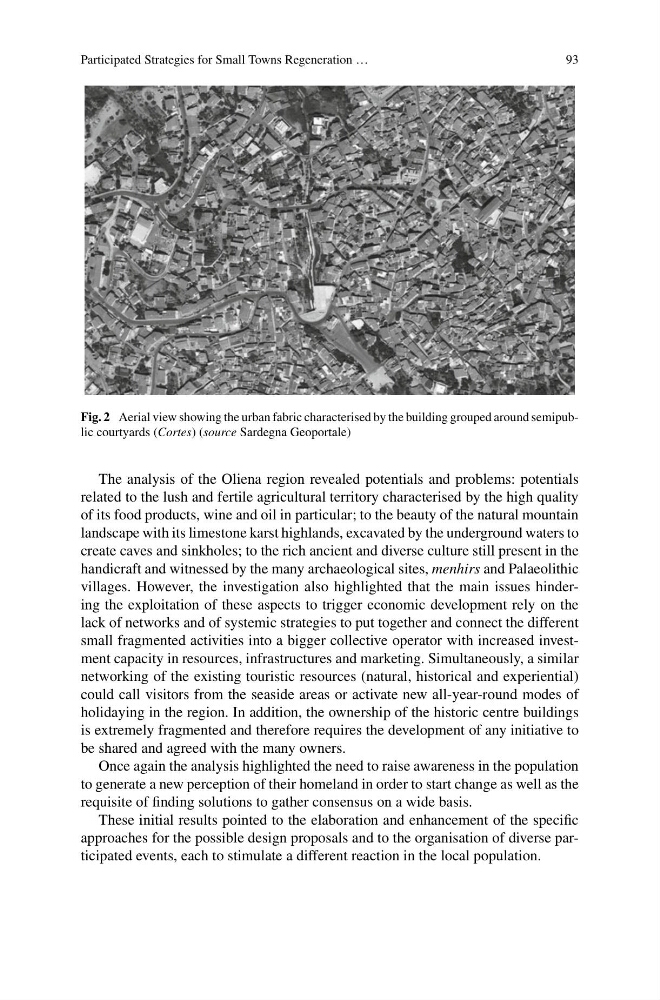
Fig. 2 Aerial view showing the urban fabric characterised by the building grouped around semipublic courtyards (Cortes) (source Sardegna Geoportale)
The analysis of the Oliena region revealed potentials and problems: potentials
related to the lush and fertile agricultural territory characterised by the high quality
of its food products, wine and oil in particular; to the beauty of the natural mountain
landscape with its limestone karst highlands, excavated by the underground waters to
create caves and sinkholes; to the rich ancient and diverse culture still present in the
handicraft and witnessed by the many archaeological sites, menhirs and Palaeolithic
villages. However, the investigation also highlighted that the main issues hindering the exploitation of these aspects to trigger economic development rely on the
lack of networks and of systemic strategies to put together and connect the different
small fragmented activities into a bigger collective operator with increased investment capacity in resources, infrastructures and marketing. Simultaneously, a similar
networking of the existing touristic resources (natural, historical and experiential)
could call visitors from the seaside areas or activate new all-year-round modes of
holidaying in the region. In addition, the ownership of the historic centre buildings
is extremely fragmented and therefore requires the development of any initiative to
be shared and agreed with the many owners.
Once again the analysis highlighted the need to raise awareness in the population
to generate a new perception of their homeland in order to start change as well as the
requisite of finding solutions to gather consensus on a wide basis.
These initial results pointed to the elaboration and enhancement of the specific
approaches for the possible design proposals and to the organisation of diverse participated events, each to stimulate a different reaction in the local population.
93
Fig. 2 Aerial view showing the urban fabric characterised by the building grouped around semipublic courtyards (Cortes) (source Sardegna Geoportale)
The analysis of the Oliena region revealed potentials and problems: potentials
related to the lush and fertile agricultural territory characterised by the high quality
of its food products, wine and oil in particular; to the beauty of the natural mountain
landscape with its limestone karst highlands, excavated by the underground waters to
create caves and sinkholes; to the rich ancient and diverse culture still present in the
handicraft and witnessed by the many archaeological sites, menhirs and Palaeolithic
villages. However, the investigation also highlighted that the main issues hindering the exploitation of these aspects to trigger economic development rely on the
lack of networks and of systemic strategies to put together and connect the different
small fragmented activities into a bigger collective operator with increased investment capacity in resources, infrastructures and marketing. Simultaneously, a similar
networking of the existing touristic resources (natural, historical and experiential)
could call visitors from the seaside areas or activate new all-year-round modes of
holidaying in the region. In addition, the ownership of the historic centre buildings
is extremely fragmented and therefore requires the development of any initiative to
be shared and agreed with the many owners.
Once again the analysis highlighted the need to raise awareness in the population
to generate a new perception of their homeland in order to start change as well as the
requisite of finding solutions to gather consensus on a wide basis.
These initial results pointed to the elaboration and enhancement of the specific
approaches for the possible design proposals and to the organisation of diverse participated events, each to stimulate a different reaction in the local population.