

205
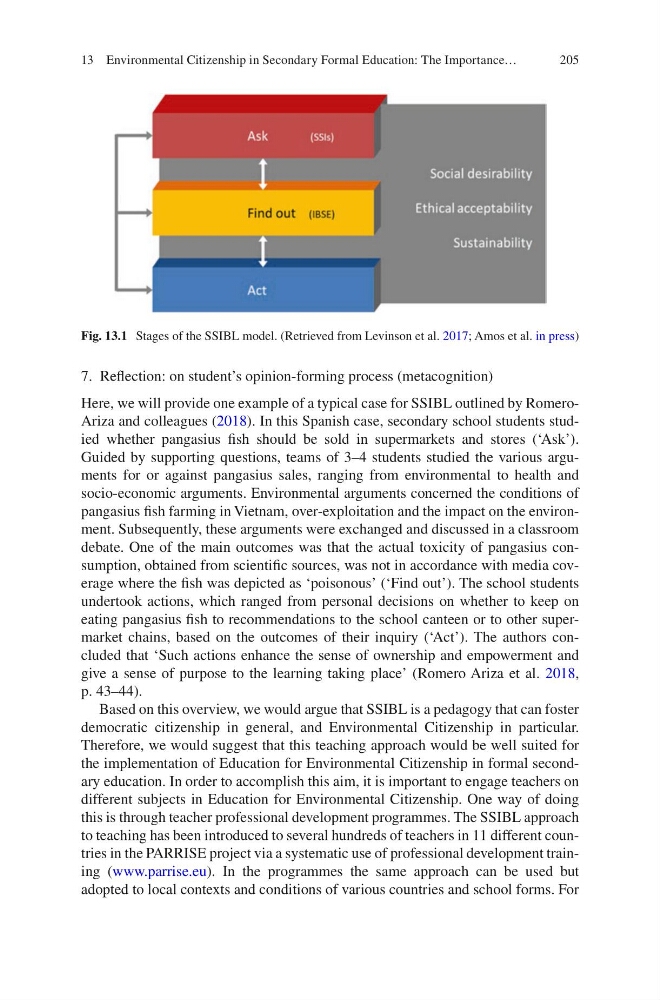
Fig. 13.1 Stages of the SSIBL model. (Retrieved from Levinson et al. 2017; Amos et al. in press)
7. Reflection: on student’s opinion-forming process (metacognition)
Here, we will provide one example of a typical case for SSIBL outlined by RomeroAriza and colleagues (2018). In this Spanish case, secondary school students studied whether pangasius fish should be sold in supermarkets and stores (‘Ask’).
Guided by supporting questions, teams of 3–4 students studied the various arguments for or against pangasius sales, ranging from environmental to health and
socio-economic arguments. Environmental arguments concerned the conditions of
pangasius fish farming in Vietnam, over-exploitation and the impact on the environment. Subsequently, these arguments were exchanged and discussed in a classroom
debate. One of the main outcomes was that the actual toxicity of pangasius consumption, obtained from scientific sources, was not in accordance with media coverage where the fish was depicted as ‘poisonous’ (‘Find out’). The school students
undertook actions, which ranged from personal decisions on whether to keep on
eating pangasius fish to recommendations to the school canteen or to other supermarket chains, based on the outcomes of their inquiry (‘Act’). The authors concluded that ‘Such actions enhance the sense of ownership and empowerment and
give a sense of purpose to the learning taking place’ (Romero Ariza et al. 2018,
p. 43–44).
Based on this overview, we would argue that SSIBL is a pedagogy that can foster
democratic citizenship in general, and Environmental Citizenship in particular.
Therefore, we would suggest that this teaching approach would be well suited for
the implementation of Education for Environmental Citizenship in formal secondary education. In order to accomplish this aim, it is important to engage teachers on
different subjects in Education for Environmental Citizenship. One way of doing
this is through teacher professional development programmes. The SSIBL approach
to teaching has been introduced to several hundreds of teachers in 11 different countries in the PARRISE project via a systematic use of professional development training (www.parrise.eu). In the programmes the same approach can be used but
adopted to local contexts and conditions of various countries and school forms. For
13 Environmental Citizenship in Secondary Formal Education: The Importance…
Fig. 13.1 Stages of the SSIBL model. (Retrieved from Levinson et al. 2017; Amos et al. in press)
7. Reflection: on student’s opinion-forming process (metacognition)
Here, we will provide one example of a typical case for SSIBL outlined by RomeroAriza and colleagues (2018). In this Spanish case, secondary school students studied whether pangasius fish should be sold in supermarkets and stores (‘Ask’).
Guided by supporting questions, teams of 3–4 students studied the various arguments for or against pangasius sales, ranging from environmental to health and
socio-economic arguments. Environmental arguments concerned the conditions of
pangasius fish farming in Vietnam, over-exploitation and the impact on the environment. Subsequently, these arguments were exchanged and discussed in a classroom
debate. One of the main outcomes was that the actual toxicity of pangasius consumption, obtained from scientific sources, was not in accordance with media coverage where the fish was depicted as ‘poisonous’ (‘Find out’). The school students
undertook actions, which ranged from personal decisions on whether to keep on
eating pangasius fish to recommendations to the school canteen or to other supermarket chains, based on the outcomes of their inquiry (‘Act’). The authors concluded that ‘Such actions enhance the sense of ownership and empowerment and
give a sense of purpose to the learning taking place’ (Romero Ariza et al. 2018,
p. 43–44).
Based on this overview, we would argue that SSIBL is a pedagogy that can foster
democratic citizenship in general, and Environmental Citizenship in particular.
Therefore, we would suggest that this teaching approach would be well suited for
the implementation of Education for Environmental Citizenship in formal secondary education. In order to accomplish this aim, it is important to engage teachers on
different subjects in Education for Environmental Citizenship. One way of doing
this is through teacher professional development programmes. The SSIBL approach
to teaching has been introduced to several hundreds of teachers in 11 different countries in the PARRISE project via a systematic use of professional development training (www.parrise.eu). In the programmes the same approach can be used but
adopted to local contexts and conditions of various countries and school forms. For
13 Environmental Citizenship in Secondary Formal Education: The Importance…