

13.4 Application of Special Measurement Technology
449
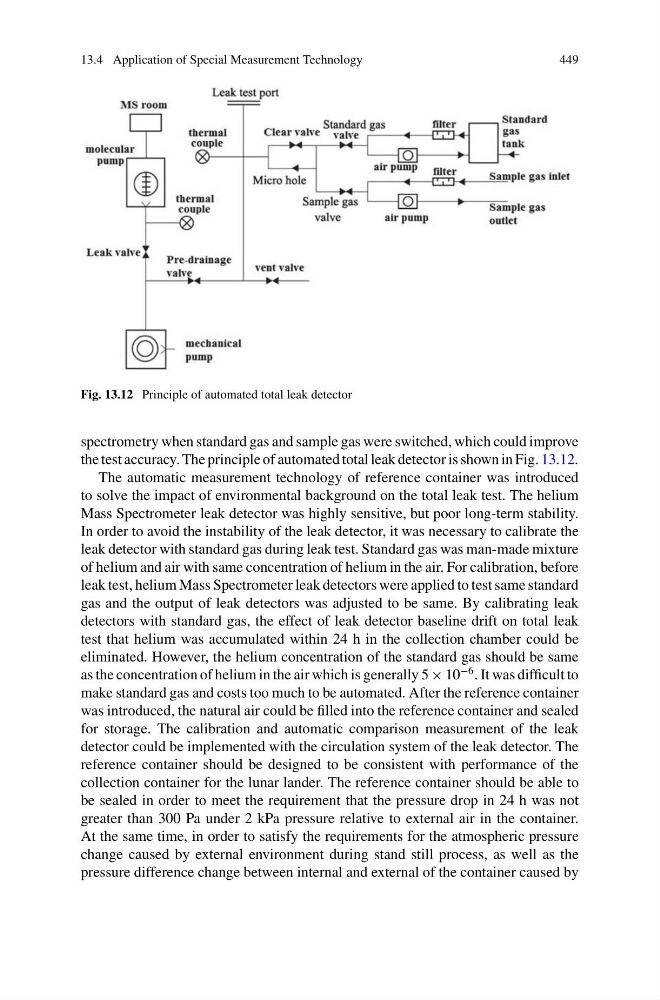
Fig. 13.12 Principle of automated total leak detector
spectrometry when standard gas and sample gas were switched, which could improve
the test accuracy. The principle of automated total leak detector is shown in Fig. 13.12.
The automatic measurement technology of reference container was introduced
to solve the impact of environmental background on the total leak test. The helium
Mass Spectrometer leak detector was highly sensitive, but poor long-term stability.
In order to avoid the instability of the leak detector, it was necessary to calibrate the
leak detector with standard gas during leak test. Standard gas was man-made mixture
of helium and air with same concentration of helium in the air. For calibration, before
leak test, helium Mass Spectrometer leak detectors were applied to test same standard
gas and the output of leak detectors was adjusted to be same. By calibrating leak
detectors with standard gas, the effect of leak detector baseline drift on total leak
test that helium was accumulated within 24 h in the collection chamber could be
eliminated. However, the helium concentration of the standard gas should be same
as the concentration of helium in the air which is generally 5 × 10
−6 . It was difficult to
make standard gas and costs too much to be automated. After the reference container
was introduced, the natural air could be filled into the reference container and sealed
for storage. The calibration and automatic comparison measurement of the leak
detector could be implemented with the circulation system of the leak detector. The
reference container should be designed to be consistent with performance of the
collection container for the lunar lander. The reference container should be able to
be sealed in order to meet the requirement that the pressure drop in 24 h was not
greater than 300 Pa under 2 kPa pressure relative to external air in the container.
At the same time, in order to satisfy the requirements for the atmospheric pressure
change caused by external environment during stand still process, as well as the
pressure difference change between internal and external of the container caused by
449
Fig. 13.12 Principle of automated total leak detector
spectrometry when standard gas and sample gas were switched, which could improve
the test accuracy. The principle of automated total leak detector is shown in Fig. 13.12.
The automatic measurement technology of reference container was introduced
to solve the impact of environmental background on the total leak test. The helium
Mass Spectrometer leak detector was highly sensitive, but poor long-term stability.
In order to avoid the instability of the leak detector, it was necessary to calibrate the
leak detector with standard gas during leak test. Standard gas was man-made mixture
of helium and air with same concentration of helium in the air. For calibration, before
leak test, helium Mass Spectrometer leak detectors were applied to test same standard
gas and the output of leak detectors was adjusted to be same. By calibrating leak
detectors with standard gas, the effect of leak detector baseline drift on total leak
test that helium was accumulated within 24 h in the collection chamber could be
eliminated. However, the helium concentration of the standard gas should be same
as the concentration of helium in the air which is generally 5 × 10
−6 . It was difficult to
make standard gas and costs too much to be automated. After the reference container
was introduced, the natural air could be filled into the reference container and sealed
for storage. The calibration and automatic comparison measurement of the leak
detector could be implemented with the circulation system of the leak detector. The
reference container should be designed to be consistent with performance of the
collection container for the lunar lander. The reference container should be able to
be sealed in order to meet the requirement that the pressure drop in 24 h was not
greater than 300 Pa under 2 kPa pressure relative to external air in the container.
At the same time, in order to satisfy the requirements for the atmospheric pressure
change caused by external environment during stand still process, as well as the
pressure difference change between internal and external of the container caused by