

12.2 Development Status
403
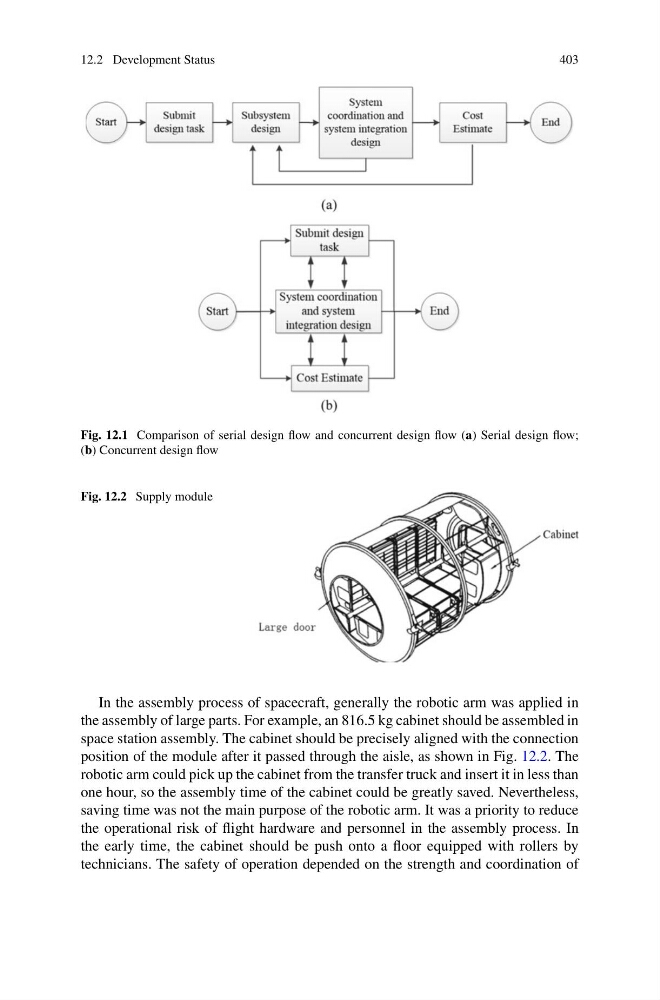
Fig. 12.1 Comparison of serial design flow and concurrent design flow (a) Serial design flow;
(b) Concurrent design flow
Fig. 12.2 Supply module
In the assembly process of spacecraft, generally the robotic arm was applied in
the assembly of large parts. For example, an 816.5 kg cabinet should be assembled in
space station assembly. The cabinet should be precisely aligned with the connection
position of the module after it passed through the aisle, as shown in Fig. 12.2. The
robotic arm could pick up the cabinet from the transfer truck and insert it in less than
one hour, so the assembly time of the cabinet could be greatly saved. Nevertheless,
saving time was not the main purpose of the robotic arm. It was a priority to reduce
the operational risk of flight hardware and personnel in the assembly process. In
the early time, the cabinet should be push onto a floor equipped with rollers by
technicians. The safety of operation depended on the strength and coordination of
403
Fig. 12.1 Comparison of serial design flow and concurrent design flow (a) Serial design flow;
(b) Concurrent design flow
Fig. 12.2 Supply module
In the assembly process of spacecraft, generally the robotic arm was applied in
the assembly of large parts. For example, an 816.5 kg cabinet should be assembled in
space station assembly. The cabinet should be precisely aligned with the connection
position of the module after it passed through the aisle, as shown in Fig. 12.2. The
robotic arm could pick up the cabinet from the transfer truck and insert it in less than
one hour, so the assembly time of the cabinet could be greatly saved. Nevertheless,
saving time was not the main purpose of the robotic arm. It was a priority to reduce
the operational risk of flight hardware and personnel in the assembly process. In
the early time, the cabinet should be push onto a floor equipped with rollers by
technicians. The safety of operation depended on the strength and coordination of