

166
5 Thermal Control Technology of Lunar Lander
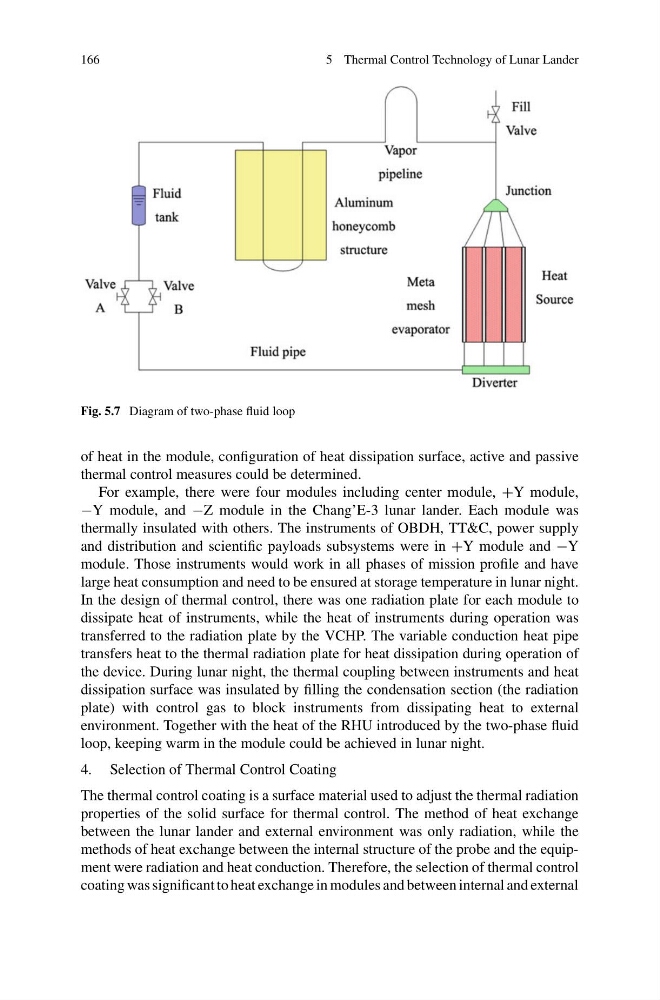
Fig. 5.7 Diagram of two-phase fluid loop
of heat in the module, configuration of heat dissipation surface, active and passive
thermal control measures could be determined.
For example, there were four modules including center module, +Y module,
−Y module, and −Z module in the Chang’E-3 lunar lander. Each module was
thermally insulated with others. The instruments of OBDH, TT&C, power supply
and distribution and scientific payloads subsystems were in +Y module and −Y
module. Those instruments would work in all phases of mission profile and have
large heat consumption and need to be ensured at storage temperature in lunar night.
In the design of thermal control, there was one radiation plate for each module to
dissipate heat of instruments, while the heat of instruments during operation was
transferred to the radiation plate by the VCHP. The variable conduction heat pipe
transfers heat to the thermal radiation plate for heat dissipation during operation of
the device. During lunar night, the thermal coupling between instruments and heat
dissipation surface was insulated by filling the condensation section (the radiation
plate) with control gas to block instruments from dissipating heat to external
environment. Together with the heat of the RHU introduced by the two-phase fluid
loop, keeping warm in the module could be achieved in lunar night.
4. Selection of Thermal Control Coating
The thermal control coating is a surface material used to adjust the thermal radiation
properties of the solid surface for thermal control. The method of heat exchange
between the lunar lander and external environment was only radiation, while the
methods of heat exchange between the internal structure of the probe and the equipment were radiation and heat conduction. Therefore, the selection of thermal control
coating was significant to heat exchange in modules and between internal and external
5 Thermal Control Technology of Lunar Lander
Fig. 5.7 Diagram of two-phase fluid loop
of heat in the module, configuration of heat dissipation surface, active and passive
thermal control measures could be determined.
For example, there were four modules including center module, +Y module,
−Y module, and −Z module in the Chang’E-3 lunar lander. Each module was
thermally insulated with others. The instruments of OBDH, TT&C, power supply
and distribution and scientific payloads subsystems were in +Y module and −Y
module. Those instruments would work in all phases of mission profile and have
large heat consumption and need to be ensured at storage temperature in lunar night.
In the design of thermal control, there was one radiation plate for each module to
dissipate heat of instruments, while the heat of instruments during operation was
transferred to the radiation plate by the VCHP. The variable conduction heat pipe
transfers heat to the thermal radiation plate for heat dissipation during operation of
the device. During lunar night, the thermal coupling between instruments and heat
dissipation surface was insulated by filling the condensation section (the radiation
plate) with control gas to block instruments from dissipating heat to external
environment. Together with the heat of the RHU introduced by the two-phase fluid
loop, keeping warm in the module could be achieved in lunar night.
4. Selection of Thermal Control Coating
The thermal control coating is a surface material used to adjust the thermal radiation
properties of the solid surface for thermal control. The method of heat exchange
between the lunar lander and external environment was only radiation, while the
methods of heat exchange between the internal structure of the probe and the equipment were radiation and heat conduction. Therefore, the selection of thermal control
coating was significant to heat exchange in modules and between internal and external