

4.4 Mechanism Design and Verification of Lunar Lander
147
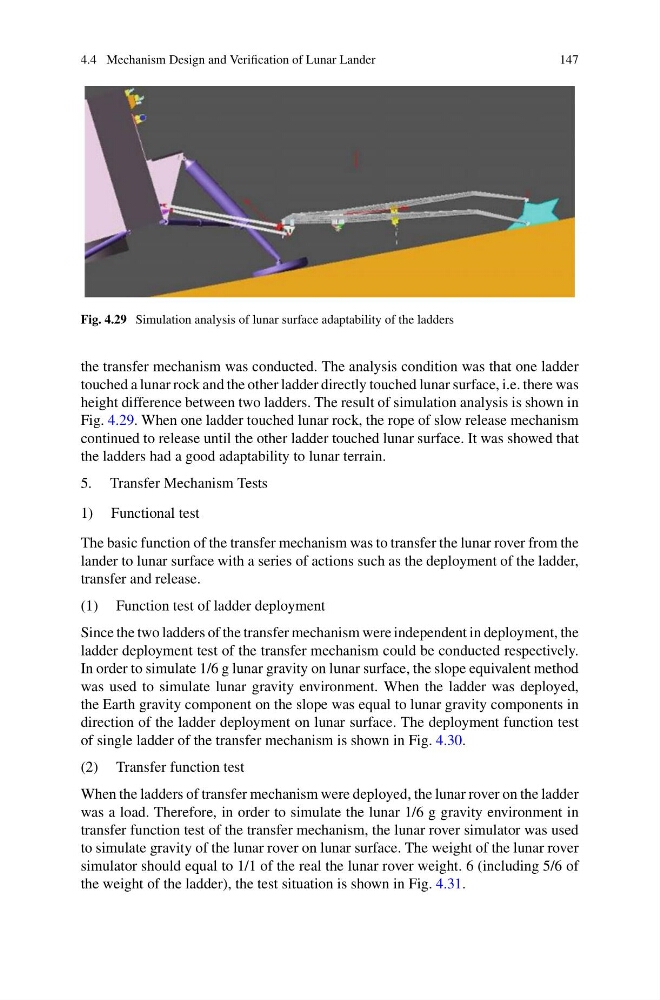
Fig. 4.29 Simulation analysis of lunar surface adaptability of the ladders
the transfer mechanism was conducted. The analysis condition was that one ladder
touched a lunar rock and the other ladder directly touched lunar surface, i.e. there was
height difference between two ladders. The result of simulation analysis is shown in
Fig. 4.29. When one ladder touched lunar rock, the rope of slow release mechanism
continued to release until the other ladder touched lunar surface. It was showed that
the ladders had a good adaptability to lunar terrain.
5. Transfer Mechanism Tests
1) Functional test
The basic function of the transfer mechanism was to transfer the lunar rover from the
lander to lunar surface with a series of actions such as the deployment of the ladder,
transfer and release.
(1) Function test of ladder deployment
Since the two ladders of the transfer mechanism were independent in deployment, the
ladder deployment test of the transfer mechanism could be conducted respectively.
In order to simulate 1/6 g lunar gravity on lunar surface, the slope equivalent method
was used to simulate lunar gravity environment. When the ladder was deployed,
the Earth gravity component on the slope was equal to lunar gravity components in
direction of the ladder deployment on lunar surface. The deployment function test
of single ladder of the transfer mechanism is shown in Fig. 4.30.
(2) Transfer function test
When the ladders of transfer mechanism were deployed, the lunar rover on the ladder
was a load. Therefore, in order to simulate the lunar 1/6 g gravity environment in
transfer function test of the transfer mechanism, the lunar rover simulator was used
to simulate gravity of the lunar rover on lunar surface. The weight of the lunar rover
simulator should equal to 1/1 of the real the lunar rover weight. 6 (including 5/6 of
the weight of the ladder), the test situation is shown in Fig. 4.31.
147
Fig. 4.29 Simulation analysis of lunar surface adaptability of the ladders
the transfer mechanism was conducted. The analysis condition was that one ladder
touched a lunar rock and the other ladder directly touched lunar surface, i.e. there was
height difference between two ladders. The result of simulation analysis is shown in
Fig. 4.29. When one ladder touched lunar rock, the rope of slow release mechanism
continued to release until the other ladder touched lunar surface. It was showed that
the ladders had a good adaptability to lunar terrain.
5. Transfer Mechanism Tests
1) Functional test
The basic function of the transfer mechanism was to transfer the lunar rover from the
lander to lunar surface with a series of actions such as the deployment of the ladder,
transfer and release.
(1) Function test of ladder deployment
Since the two ladders of the transfer mechanism were independent in deployment, the
ladder deployment test of the transfer mechanism could be conducted respectively.
In order to simulate 1/6 g lunar gravity on lunar surface, the slope equivalent method
was used to simulate lunar gravity environment. When the ladder was deployed,
the Earth gravity component on the slope was equal to lunar gravity components in
direction of the ladder deployment on lunar surface. The deployment function test
of single ladder of the transfer mechanism is shown in Fig. 4.30.
(2) Transfer function test
When the ladders of transfer mechanism were deployed, the lunar rover on the ladder
was a load. Therefore, in order to simulate the lunar 1/6 g gravity environment in
transfer function test of the transfer mechanism, the lunar rover simulator was used
to simulate gravity of the lunar rover on lunar surface. The weight of the lunar rover
simulator should equal to 1/1 of the real the lunar rover weight. 6 (including 5/6 of
the weight of the ladder), the test situation is shown in Fig. 4.31.