

2.4.3 The Sky Anchor
The Sky Anchor System was a two balloon system developed and tested by the National
Scientific Balloon Facility during the 1970’s and 1980’s and is still in use today.
The concept involves a zero-pressure primary balloon carrying a super-pressure
balloon to its operational altitude during the day. On the way the super-pressure
balloon fills and pressurizes. As the super-pressure balloon continues to ascend it
loses more and more lift. When sunset occurs the entire system descends to a new
equilibrium altitude at which the increase in lift on the super-pressure balloon just
equals the sunset effect on the main balloon. Although its volume is decreased no
gas is lost from the primary balloon. At sunrise the main balloon will expand and
the system will once again rise. In so doing, the super-pressure balloon will lose
the lift that it gained at sunset and the system should stabilize at the same altitude
as the preceding day. Since there is no change in suspended weight on the main
balloon, it should not overshoot and again there will be no loss of gas. As in the
usual super-pressure system, assuming there are no leaks the flight duration will
be limited only by creep, gas diffusion, and ultraviolet degradation.
See Chapter 5 and the World View Stratollite of Fig. 5.6 for the latest application of a Sky Anchor.
2.5 COMMERCIAL STRATOSPHERIC BALLOONS
The commercial world of ballooning is quite diverse. Some corporations provide
contract services for flights that may or may not be for scientific purposes. Some
are actually involved in providing internet connectivity to under-served areas and
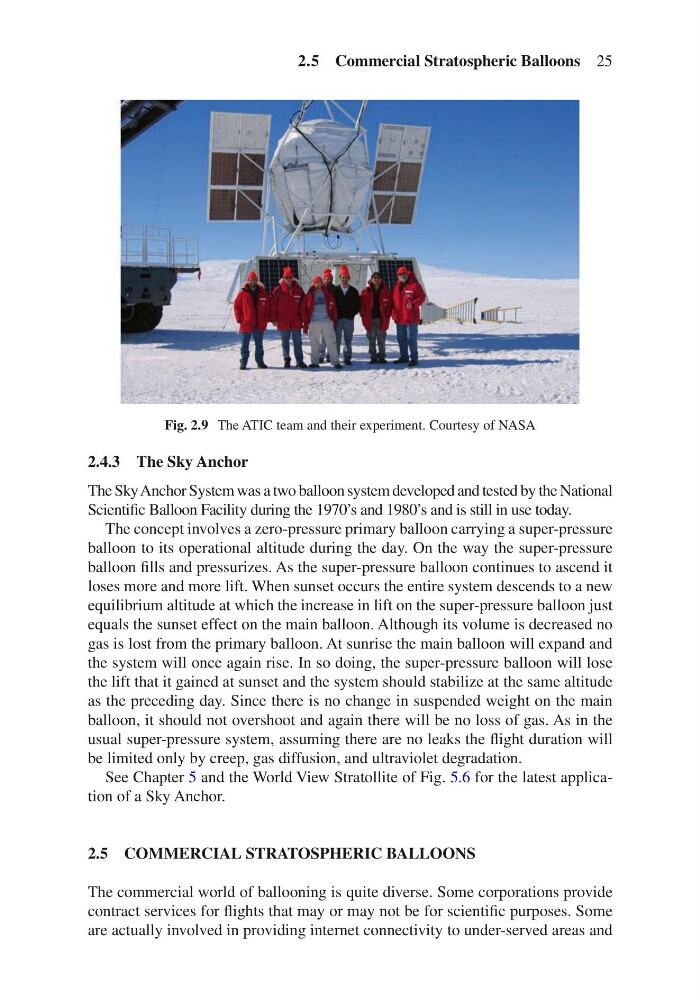
Fig. 2.9 The ATIC team and their experiment. Courtesy of NASA
2.5 Commercial Stratospheric Balloons 25
The Sky Anchor System was a two balloon system developed and tested by the National
Scientific Balloon Facility during the 1970’s and 1980’s and is still in use today.
The concept involves a zero-pressure primary balloon carrying a super-pressure
balloon to its operational altitude during the day. On the way the super-pressure
balloon fills and pressurizes. As the super-pressure balloon continues to ascend it
loses more and more lift. When sunset occurs the entire system descends to a new
equilibrium altitude at which the increase in lift on the super-pressure balloon just
equals the sunset effect on the main balloon. Although its volume is decreased no
gas is lost from the primary balloon. At sunrise the main balloon will expand and
the system will once again rise. In so doing, the super-pressure balloon will lose
the lift that it gained at sunset and the system should stabilize at the same altitude
as the preceding day. Since there is no change in suspended weight on the main
balloon, it should not overshoot and again there will be no loss of gas. As in the
usual super-pressure system, assuming there are no leaks the flight duration will
be limited only by creep, gas diffusion, and ultraviolet degradation.
See Chapter 5 and the World View Stratollite of Fig. 5.6 for the latest application of a Sky Anchor.
2.5 COMMERCIAL STRATOSPHERIC BALLOONS
The commercial world of ballooning is quite diverse. Some corporations provide
contract services for flights that may or may not be for scientific purposes. Some
are actually involved in providing internet connectivity to under-served areas and
Fig. 2.9 The ATIC team and their experiment. Courtesy of NASA
2.5 Commercial Stratospheric Balloons 25