

The balloons were dropped onto the dark side of the planet, and deployed at an
altitude of about 50 km (31 mi). They then floated upward several kilometers to their
equilibrium altitude. At that level the pressure and temperature conditions are similar to those of Earth, but the winds move at hurricane velocity (in fact, the superrotating winds circle the planet in four days) and the carbon dioxide atmosphere is
laced with sulfuric acid, together with smaller concentrations of hydrochloric and
hydrofluoric acid. The balloons moved swiftly from the night side of the planet into
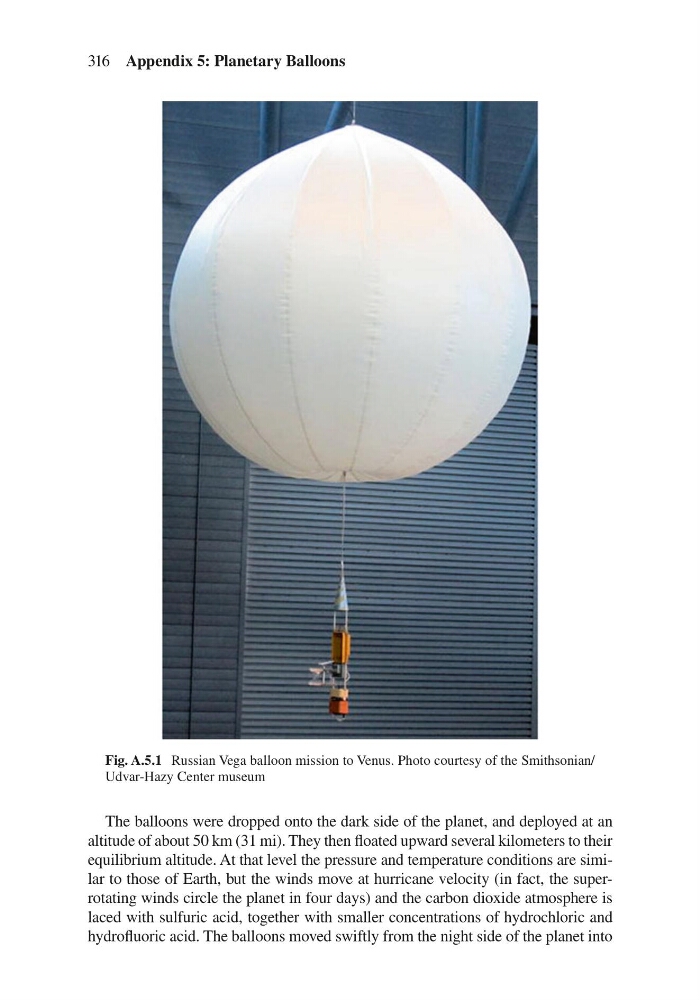
Fig. A.5.1 Russian Vega balloon mission to Venus. Photo courtesy of the Smithsonian/
Udvar-Hazy Center museum
316 Appendix 5: Planetary Balloons
altitude of about 50 km (31 mi). They then floated upward several kilometers to their
equilibrium altitude. At that level the pressure and temperature conditions are similar to those of Earth, but the winds move at hurricane velocity (in fact, the superrotating winds circle the planet in four days) and the carbon dioxide atmosphere is
laced with sulfuric acid, together with smaller concentrations of hydrochloric and
hydrofluoric acid. The balloons moved swiftly from the night side of the planet into
Fig. A.5.1 Russian Vega balloon mission to Venus. Photo courtesy of the Smithsonian/
Udvar-Hazy Center museum
316 Appendix 5: Planetary Balloons