

Three techniques for controlling a stratospheric balloon trajectory have been
proposed:
1. A propeller-driven system: A propeller system would consume a large
amount of energy to overcome the aerodynamic drag created by the balloon.
Because the atmospheric density is so low at stratospheric altitudes, the propellers would have to be several meters in diameter, dwarfing the size of the
balloon gondola, and would require large amounts of chemical or electrical
power (1-10 kW) for continuous operation even for modest trajectory control. Solar electrical power generation is limited to daytime operation and
either batteries or fuel would be required to run at night. Batteries are heavy
and they trade off pound for pound against payload, while fuel is a consumable that would severely reduce mission duration, just as ballast does for
current stratospheric balloons.
2. An altitude changing balloon: Changing the altitude of the balloon to seek
winds going in the desired direction has been demonstrated, albeit in very
limited operational conditions, seasons, and altitudes. Changing altitudes
requires energy and balloon designs capable of taking the stress of air or
buoyant gas storage at high altitude. It is also a significant challenge to find
atmospheric conditions amenable to wind-driven, altitude changing balloon
systems; there are seasons and geographical locations that just do not allow
wind-driven, altitude changing balloon navigation.
3. Passive “sailing”: Trajectory modification by using a suspended wing for atfloat “sailing” has been developed. It takes advantage of the difference in
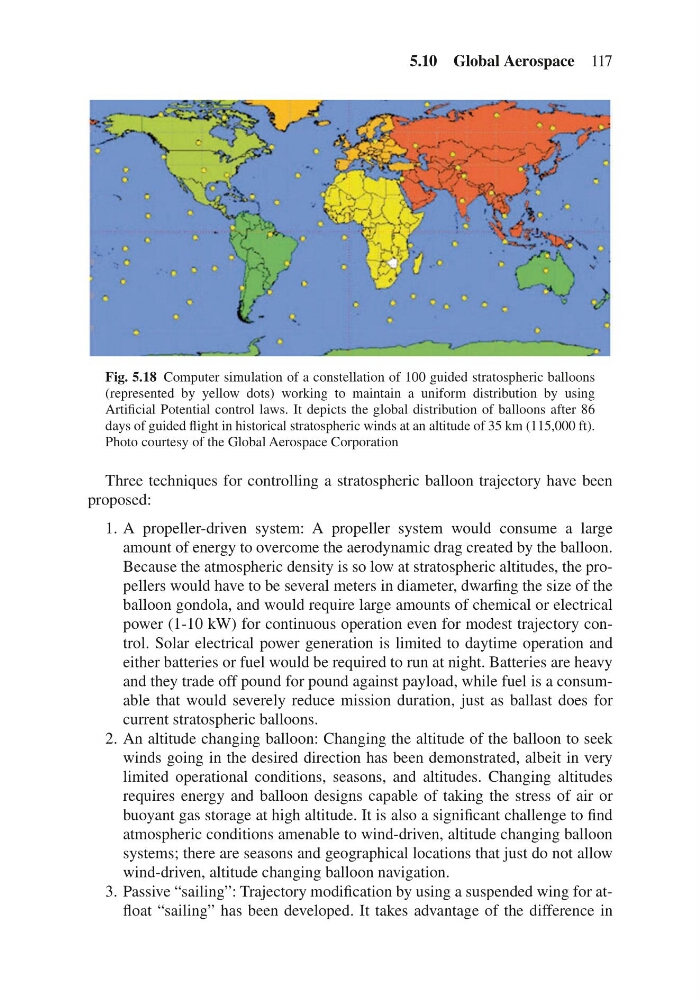
Fig. 5.18 Computer simulation of a constellation of 100 guided stratospheric balloons
(represented by yellow dots) working to maintain a uniform distribution by using
Artificial Potential control laws. It depicts the global distribution of balloons after 86
days of guided flight in historical stratospheric winds at an altitude of 35 km (115,000 ft).
Photo courtesy of the Global Aerospace Corporation
5.10 Global Aerospace 117
proposed:
1. A propeller-driven system: A propeller system would consume a large
amount of energy to overcome the aerodynamic drag created by the balloon.
Because the atmospheric density is so low at stratospheric altitudes, the propellers would have to be several meters in diameter, dwarfing the size of the
balloon gondola, and would require large amounts of chemical or electrical
power (1-10 kW) for continuous operation even for modest trajectory control. Solar electrical power generation is limited to daytime operation and
either batteries or fuel would be required to run at night. Batteries are heavy
and they trade off pound for pound against payload, while fuel is a consumable that would severely reduce mission duration, just as ballast does for
current stratospheric balloons.
2. An altitude changing balloon: Changing the altitude of the balloon to seek
winds going in the desired direction has been demonstrated, albeit in very
limited operational conditions, seasons, and altitudes. Changing altitudes
requires energy and balloon designs capable of taking the stress of air or
buoyant gas storage at high altitude. It is also a significant challenge to find
atmospheric conditions amenable to wind-driven, altitude changing balloon
systems; there are seasons and geographical locations that just do not allow
wind-driven, altitude changing balloon navigation.
3. Passive “sailing”: Trajectory modification by using a suspended wing for atfloat “sailing” has been developed. It takes advantage of the difference in
Fig. 5.18 Computer simulation of a constellation of 100 guided stratospheric balloons
(represented by yellow dots) working to maintain a uniform distribution by using
Artificial Potential control laws. It depicts the global distribution of balloons after 86
days of guided flight in historical stratospheric winds at an altitude of 35 km (115,000 ft).
Photo courtesy of the Global Aerospace Corporation
5.10 Global Aerospace 117