

60
has been pumped out is cooled, while the other side where the heat has been pumped
in is heated. Energy efficiency is nearly doubled if cooling and heating are performed simultaneously instead of separately. This would lead to energy saving
within an entire plant.
For example, at a noodle factory, water is boiled in a boiler when noodles are
boiled. The boiled noodles are cooled in a chiller filled with cold water. By installing a heat pump between these two steps, hot water can be produced on one side by
collecting heat, while cold water can be produced on the other side by removing the
heat. A certain factory succeeded in reducing CO 2 emissions by 31% and energy
consumption by 35%.
In 2015, Japan drew up draft pledge aimed at reducing greenhouse gas emissions
beyond 2020. The target is to achieve a 26% reduction in greenhouse gas emission
levels (about 1.042 billion tons of CO 2 ) in FY2030 compared to FY2013 (approximately 25.4% reduction compared to FY2005). The Heat Pump & Thermal Storage
Technology Center of Japan predicts dissemination of heat pumps for domestic and
industrial use. It has estimated the effects of energy savings in the medium-level
case and the impact on the reduction target in draft pledge (Fig. 3.17). According to
the estimate, more than 20% of the target can be achieved by increasing introduction of the heat pumps.
Theoretically, it has been known that a heat pump that pumps up heat from the
environment and utilizes that energy is correct. That is because it is inefficient to
burn fossil fuels to secure low temperatures, such as a hot water supply. Places that
directly burn resources will likely disappear more and more in the future.
Temperature (°C)
Heat pumps evolving toward still higher
temperatures
Heating demand for
temperatures below 100 ° C.
Painting
pretreatment
(degreasing)
Painting
pretreatment
(degreasing)
Drying of
pharmaceuticals
Concentration of
pharmaceuticals
Purification of
ethyl alcohol
Drying of
laminated paper
Boiling
Washing
Washing
and
sterilizing
Elaborate
washing
Washing of optical
disk substrate
Keeping clean rooms
at constant
temperature and
humidity
Cooling of plating
tanks
Cooling of
reaction kettles
Reaction control
Cooling of
reaction kettles
Reaction control
Synchronous temperature
control
Cooling of off-wheel rolls
Glazing process cooling
Cooling of fermentation
tanks
Temperature
control
Storage
Thawing
Molding
temperature
control
Cooling demand
Machinery
Automobiles
Medicine
Chemicals
P rinting
Beverages
Ham
Confectionary
Food
Example of major industries
Purification
of cacao oil
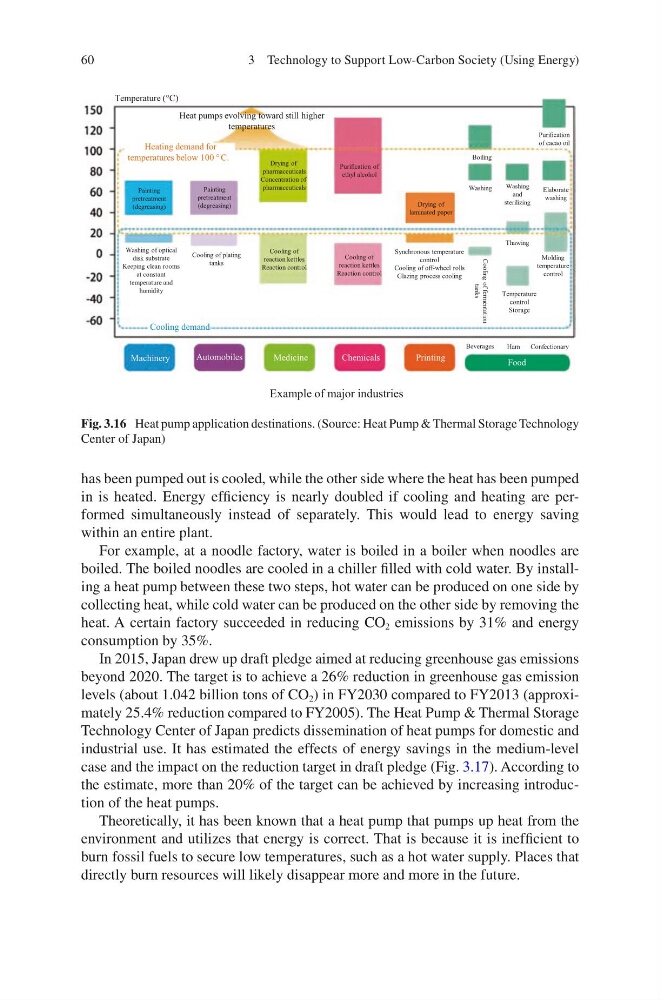
Fig. 3.16 Heat pump application destinations. (Source: Heat Pump & Thermal Storage Technology
Center of Japan)
3 Technology to Support Low-Carbon Society (Using Energy)
has been pumped out is cooled, while the other side where the heat has been pumped
in is heated. Energy efficiency is nearly doubled if cooling and heating are performed simultaneously instead of separately. This would lead to energy saving
within an entire plant.
For example, at a noodle factory, water is boiled in a boiler when noodles are
boiled. The boiled noodles are cooled in a chiller filled with cold water. By installing a heat pump between these two steps, hot water can be produced on one side by
collecting heat, while cold water can be produced on the other side by removing the
heat. A certain factory succeeded in reducing CO 2 emissions by 31% and energy
consumption by 35%.
In 2015, Japan drew up draft pledge aimed at reducing greenhouse gas emissions
beyond 2020. The target is to achieve a 26% reduction in greenhouse gas emission
levels (about 1.042 billion tons of CO 2 ) in FY2030 compared to FY2013 (approximately 25.4% reduction compared to FY2005). The Heat Pump & Thermal Storage
Technology Center of Japan predicts dissemination of heat pumps for domestic and
industrial use. It has estimated the effects of energy savings in the medium-level
case and the impact on the reduction target in draft pledge (Fig. 3.17). According to
the estimate, more than 20% of the target can be achieved by increasing introduction of the heat pumps.
Theoretically, it has been known that a heat pump that pumps up heat from the
environment and utilizes that energy is correct. That is because it is inefficient to
burn fossil fuels to secure low temperatures, such as a hot water supply. Places that
directly burn resources will likely disappear more and more in the future.
Temperature (°C)
Heat pumps evolving toward still higher
temperatures
Heating demand for
temperatures below 100 ° C.
Painting
pretreatment
(degreasing)
Painting
pretreatment
(degreasing)
Drying of
pharmaceuticals
Concentration of
pharmaceuticals
Purification of
ethyl alcohol
Drying of
laminated paper
Boiling
Washing
Washing
and
sterilizing
Elaborate
washing
Washing of optical
disk substrate
Keeping clean rooms
at constant
temperature and
humidity
Cooling of plating
tanks
Cooling of
reaction kettles
Reaction control
Cooling of
reaction kettles
Reaction control
Synchronous temperature
control
Cooling of off-wheel rolls
Glazing process cooling
Cooling of fermentation
tanks
Temperature
control
Storage
Thawing
Molding
temperature
control
Cooling demand
Machinery
Automobiles
Medicine
Chemicals
P rinting
Beverages
Ham
Confectionary
Food
Example of major industries
Purification
of cacao oil
Fig. 3.16 Heat pump application destinations. (Source: Heat Pump & Thermal Storage Technology
Center of Japan)
3 Technology to Support Low-Carbon Society (Using Energy)