

53
3.3.6 Domestic Fuel Cells Packed with Japanese Technologies
Along with the electric water heater EcoCute, household fuel cells known as EneFarm are promising as energy saving equipment that can be used for hot water supply in the home. There are two types of fuel cells that supply electricity and heat:
solid polymer type using hydrogen and solid oxide type directly using city gas. The
first type of Ene-Farm refers to a product that extracts hydrogen from city gas, LP
gas, kerosene, etc. and produces electricity when the hydrogen reacts with oxygen
in the air. About 37% of the gas and oil input to produce hydrogen is converted into
electricity, while 50% of the thermal energy generated in the process is used to produce hot water. Therefore, a total of 87% of the input energy can be used. Only 13%
is lost.
Since the efficiency of electric power reaching the home from centralized thermal power plants is about 37%, the amount of electricity generated by domestic fuel
cells has reached the level of centralized thermal power generation. Therefore, using
the hot-water supply of domestic fuel cells is like using waste heat thrown away at
a centralized thermal power plant.
EcoCute and Ene-Farm are a crystallization of the energy-saving technology in
which Japan takes pride. EcoCute is a product that Japan made almost from zero.
300
250
200
150
100
50
0
2020
2030
2040
49 57 65 57
123
145
165
165
170
188
205
239
Low-rank
Mediumrank
High-rank
Reference
Amount of reduction of primary energy, 1 million GJ/Year
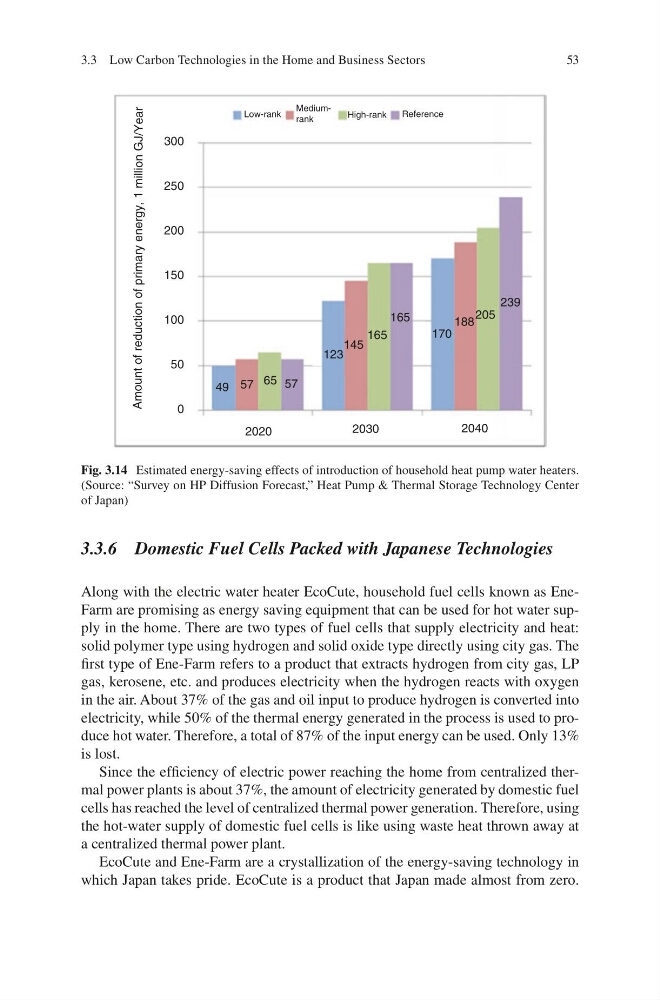
Fig. 3.14 Estimated energy-saving effects of introduction of household heat pump water heaters.
(Source: “Survey on HP Diffusion Forecast,” Heat Pump & Thermal Storage Technology Center
of Japan)
3.3 Low Carbon Technologies in the Home and Business Sectors
3.3.6 Domestic Fuel Cells Packed with Japanese Technologies
Along with the electric water heater EcoCute, household fuel cells known as EneFarm are promising as energy saving equipment that can be used for hot water supply in the home. There are two types of fuel cells that supply electricity and heat:
solid polymer type using hydrogen and solid oxide type directly using city gas. The
first type of Ene-Farm refers to a product that extracts hydrogen from city gas, LP
gas, kerosene, etc. and produces electricity when the hydrogen reacts with oxygen
in the air. About 37% of the gas and oil input to produce hydrogen is converted into
electricity, while 50% of the thermal energy generated in the process is used to produce hot water. Therefore, a total of 87% of the input energy can be used. Only 13%
is lost.
Since the efficiency of electric power reaching the home from centralized thermal power plants is about 37%, the amount of electricity generated by domestic fuel
cells has reached the level of centralized thermal power generation. Therefore, using
the hot-water supply of domestic fuel cells is like using waste heat thrown away at
a centralized thermal power plant.
EcoCute and Ene-Farm are a crystallization of the energy-saving technology in
which Japan takes pride. EcoCute is a product that Japan made almost from zero.
300
250
200
150
100
50
0
2020
2030
2040
49 57 65 57
123
145
165
165
170
188
205
239
Low-rank
Mediumrank
High-rank
Reference
Amount of reduction of primary energy, 1 million GJ/Year
Fig. 3.14 Estimated energy-saving effects of introduction of household heat pump water heaters.
(Source: “Survey on HP Diffusion Forecast,” Heat Pump & Thermal Storage Technology Center
of Japan)
3.3 Low Carbon Technologies in the Home and Business Sectors