

482
P. Vianco and M. Neilsen
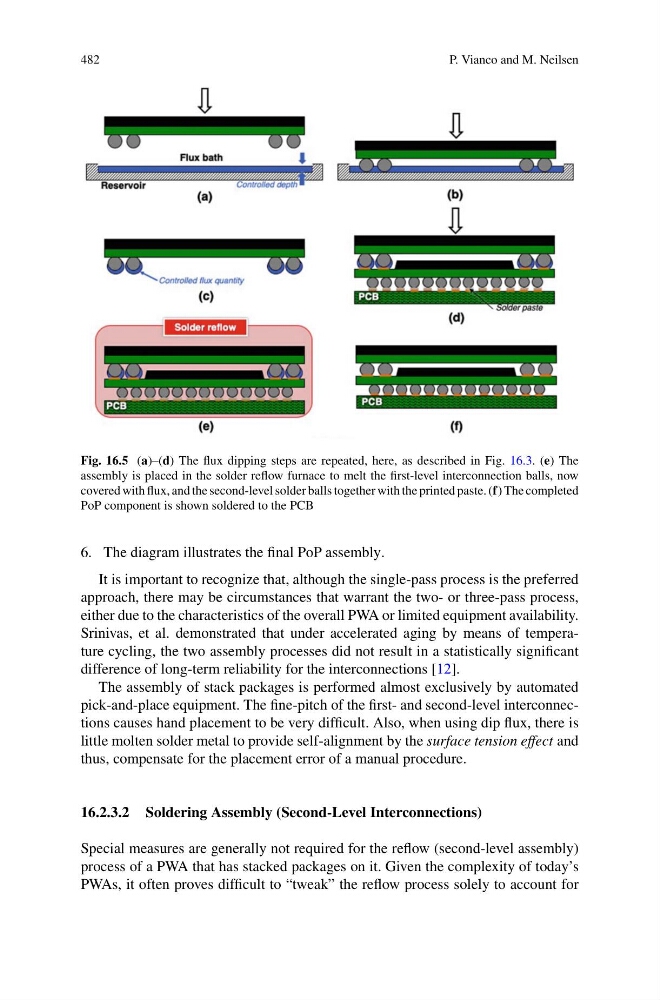
Fig. 16.5 (a)–(d) The flux dipping steps are repeated, here, as described in Fig. 16.3. (e) The
assembly is placed in the solder reflow furnace to melt the first-level interconnection balls, now
covered with flux, and the second-level solder balls together with the printed paste. (f) The completed
PoP component is shown soldered to the PCB
6. The diagram illustrates the final PoP assembly.
It is important to recognize that, although the single-pass process is the preferred
approach, there may be circumstances that warrant the two- or three-pass process,
either due to the characteristics of the overall PWA or limited equipment availability.
Srinivas, et al. demonstrated that under accelerated aging by means of temperature cycling, the two assembly processes did not result in a statistically significant
difference of long-term reliability for the interconnections [12].
The assembly of stack packages is performed almost exclusively by automated
pick-and-place equipment. The fine-pitch of the first- and second-level interconnections causes hand placement to be very difficult. Also, when using dip flux, there is
little molten solder metal to provide self-alignment by the surface tension effect and
thus, compensate for the placement error of a manual procedure.
16.2.3.2 Soldering Assembly (Second-Level Interconnections)
Special measures are generally not required for the reflow (second-level assembly)
process of a PWA that has stacked packages on it. Given the complexity of today’s
PWAs, it often proves difficult to “tweak” the reflow process solely to account for
P. Vianco and M. Neilsen
Fig. 16.5 (a)–(d) The flux dipping steps are repeated, here, as described in Fig. 16.3. (e) The
assembly is placed in the solder reflow furnace to melt the first-level interconnection balls, now
covered with flux, and the second-level solder balls together with the printed paste. (f) The completed
PoP component is shown soldered to the PCB
6. The diagram illustrates the final PoP assembly.
It is important to recognize that, although the single-pass process is the preferred
approach, there may be circumstances that warrant the two- or three-pass process,
either due to the characteristics of the overall PWA or limited equipment availability.
Srinivas, et al. demonstrated that under accelerated aging by means of temperature cycling, the two assembly processes did not result in a statistically significant
difference of long-term reliability for the interconnections [12].
The assembly of stack packages is performed almost exclusively by automated
pick-and-place equipment. The fine-pitch of the first- and second-level interconnections causes hand placement to be very difficult. Also, when using dip flux, there is
little molten solder metal to provide self-alignment by the surface tension effect and
thus, compensate for the placement error of a manual procedure.
16.2.3.2 Soldering Assembly (Second-Level Interconnections)
Special measures are generally not required for the reflow (second-level assembly)
process of a PWA that has stacked packages on it. Given the complexity of today’s
PWAs, it often proves difficult to “tweak” the reflow process solely to account for