

impact assessment; and (c) mitigation and response planning and management.
Fully and properly implemented, the pillars intend to contribute to better drought
preparedness and build greater climate change resilience, with potential impacts in
a diversity of sectors (e.g., water and sanitation, agriculture, environment,
and disaster risk management), and reach a broad community of beneficiaries.
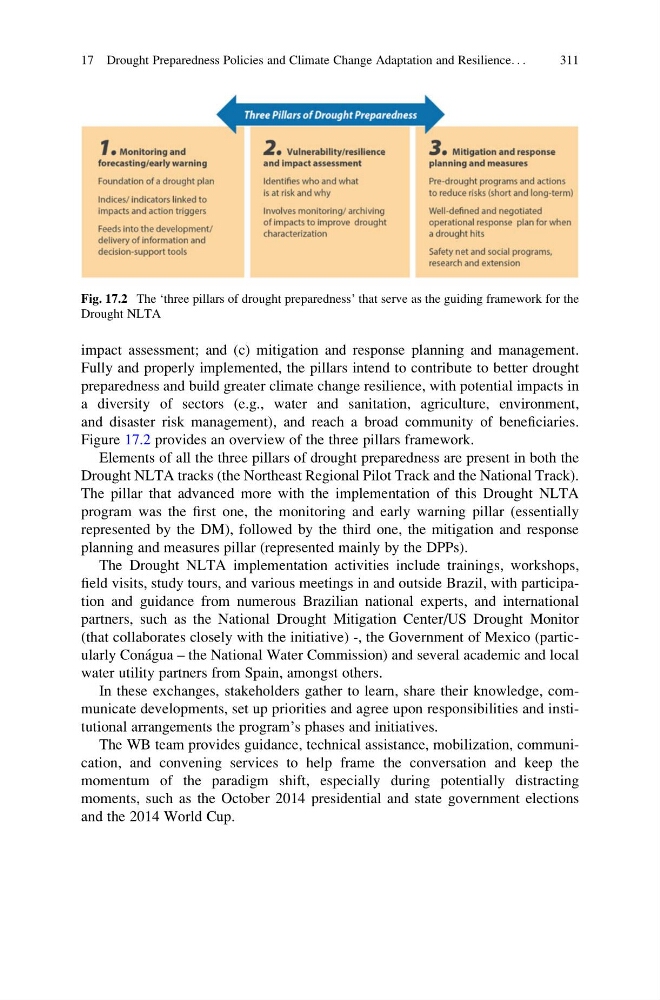
Figure 17.2 provides an overview of the three pillars framework.
Elements of all the three pillars of drought preparedness are present in both the
Drought NLTA tracks (the Northeast Regional Pilot Track and the National Track).
The pillar that advanced more with the implementation of this Drought NLTA
program was the first one, the monitoring and early warning pillar (essentially
represented by the DM), followed by the third one, the mitigation and response
planning and measures pillar (represented mainly by the DPPs).
The Drought NLTA implementation activities include trainings, workshops,
field visits, study tours, and various meetings in and outside Brazil, with participation and guidance from numerous Brazilian national experts, and international
partners, such as the National Drought Mitigation Center/US Drought Monitor
(that collaborates closely with the initiative) -, the Government of Mexico (particularly Cona ´gua – the National Water Commission) and several academic and local
water utility partners from Spain, amongst others.
In these exchanges, stakeholders gather to learn, share their knowledge, communicate developments, set up priorities and agree upon responsibilities and institutional arrangements the program’s phases and initiatives.
The WB team provides guidance, technical assistance, mobilization, communication, and convening services to help frame the conversation and keep the
momentum of the paradigm shift, especially during potentially distracting
moments, such as the October 2014 presidential and state government elections
and the 2014 World Cup.
Fig. 17.2 The ‘three pillars of drought preparedness’ that serve as the guiding framework for the
Drought NLTA
17 Drought Preparedness Policies and Climate Change Adaptation and Resilience. . .
311
Fully and properly implemented, the pillars intend to contribute to better drought
preparedness and build greater climate change resilience, with potential impacts in
a diversity of sectors (e.g., water and sanitation, agriculture, environment,
and disaster risk management), and reach a broad community of beneficiaries.
Figure 17.2 provides an overview of the three pillars framework.
Elements of all the three pillars of drought preparedness are present in both the
Drought NLTA tracks (the Northeast Regional Pilot Track and the National Track).
The pillar that advanced more with the implementation of this Drought NLTA
program was the first one, the monitoring and early warning pillar (essentially
represented by the DM), followed by the third one, the mitigation and response
planning and measures pillar (represented mainly by the DPPs).
The Drought NLTA implementation activities include trainings, workshops,
field visits, study tours, and various meetings in and outside Brazil, with participation and guidance from numerous Brazilian national experts, and international
partners, such as the National Drought Mitigation Center/US Drought Monitor
(that collaborates closely with the initiative) -, the Government of Mexico (particularly Cona ´gua – the National Water Commission) and several academic and local
water utility partners from Spain, amongst others.
In these exchanges, stakeholders gather to learn, share their knowledge, communicate developments, set up priorities and agree upon responsibilities and institutional arrangements the program’s phases and initiatives.
The WB team provides guidance, technical assistance, mobilization, communication, and convening services to help frame the conversation and keep the
momentum of the paradigm shift, especially during potentially distracting
moments, such as the October 2014 presidential and state government elections
and the 2014 World Cup.
Fig. 17.2 The ‘three pillars of drought preparedness’ that serve as the guiding framework for the
Drought NLTA
17 Drought Preparedness Policies and Climate Change Adaptation and Resilience. . .
311