

rural areas with agricultural activities. No significant differences appear between
the districts that are all characterized by internal heterogeneity: planned and
unplanned areas, individual and vertical housing, rich and poor areas. Most residential areas of these districts are occupied by houses built according to the
traditional Afghan pattern in mud or cooked bricks, with flat roofs, one to three
living rooms, a yard, and the house facing south whenever possible. Therefore,
75 % of the houses in these three districts match GERES’ technical requirements for
the construction of verandas (South-oriented houses, no direct obstruction and
shadow, more than 3 m in front of the house).
The winter monitoring lasted for an overall period of 8 weeks, from 5 December
2013 to 5 February 2014.
Two groups of houses are classified by type:
• Type 1: Control group – Houses not equipped with the veranda PSH system
• Type 2: Treatment group – Houses equipped with veranda PSH system
To assess the impact of the PSH technology, 13 houses of Type 2 equipped with
the PSH are compared with 13 houses of Type 1 selected as a control group. The
house were strictly selected using the SEADEP database according the number of
heated family room (only houses with one family room were selected), its size and
orientation, the household socio-economic profile and energy consumption practices criteria. The house construction plans were survey by GERES technician to
insure an unbiased comparison between the two groups of houses. Both PSH and
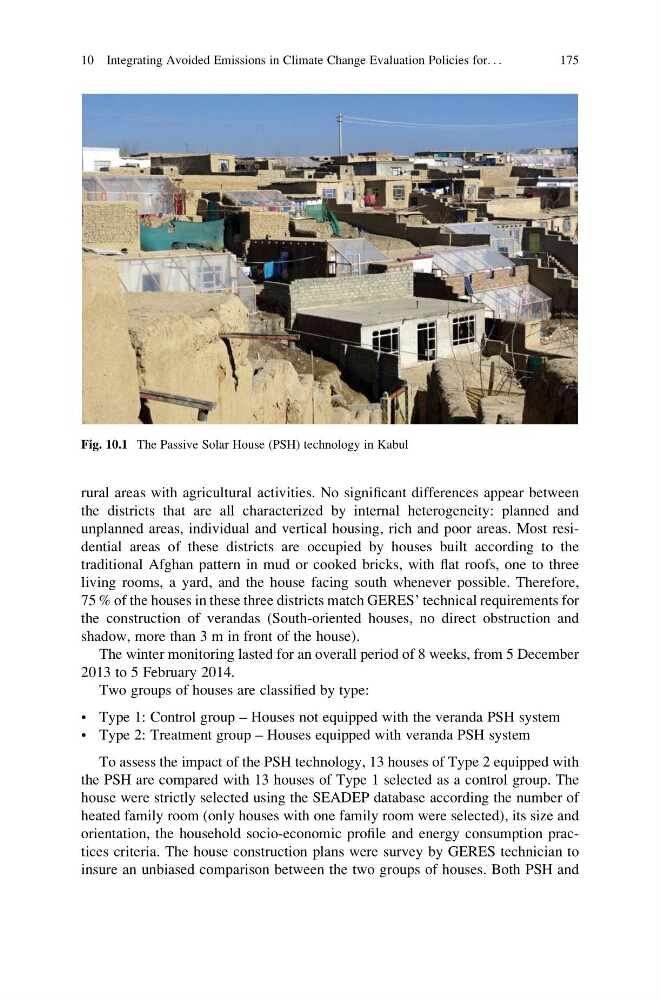
Fig. 10.1 The Passive Solar House (PSH) technology in Kabul
10 Integrating Avoided Emissions in Climate Change Evaluation Policies for. . .
175
the districts that are all characterized by internal heterogeneity: planned and
unplanned areas, individual and vertical housing, rich and poor areas. Most residential areas of these districts are occupied by houses built according to the
traditional Afghan pattern in mud or cooked bricks, with flat roofs, one to three
living rooms, a yard, and the house facing south whenever possible. Therefore,
75 % of the houses in these three districts match GERES’ technical requirements for
the construction of verandas (South-oriented houses, no direct obstruction and
shadow, more than 3 m in front of the house).
The winter monitoring lasted for an overall period of 8 weeks, from 5 December
2013 to 5 February 2014.
Two groups of houses are classified by type:
• Type 1: Control group – Houses not equipped with the veranda PSH system
• Type 2: Treatment group – Houses equipped with veranda PSH system
To assess the impact of the PSH technology, 13 houses of Type 2 equipped with
the PSH are compared with 13 houses of Type 1 selected as a control group. The
house were strictly selected using the SEADEP database according the number of
heated family room (only houses with one family room were selected), its size and
orientation, the household socio-economic profile and energy consumption practices criteria. The house construction plans were survey by GERES technician to
insure an unbiased comparison between the two groups of houses. Both PSH and
Fig. 10.1 The Passive Solar House (PSH) technology in Kabul
10 Integrating Avoided Emissions in Climate Change Evaluation Policies for. . .
175