

88
The alternative conservation framework, accordingly, helps achieve some of the
important targets under ‘Aichi Biodiversity Targets’ as is illustrated in Table 5.7.
Firstly, it helps to contribute to the Target no. 10 by reducing pressures on vulnerable (here, mangrove) ecosystem. Secondly, it promotes restoration and enhanced
resilience of that ecosystem and thus helps achieve Target no. 15. Finally, and most
importantly, it contributes to achieve Target no. 18 by respecting the TK system
practised by the local and indigenous communities (Table 5.7).
Table 5.7 Achievement of Aichi Biodiversity Targets under the alternative conservation framework
Targets
Relevant indicators/issues
Contribution of this case study
Target 10: Pressures
on vulnerable
ecosystems reduced
• Trends in extent, of
vulnerable ecosystems (here
mangrove)
• Anthropogenic pressures
• Climate change
• Multiple anthropogenic pressures
identified on a mangrove ecosystem
• Presenting and promoting the
TK-based climate adaptation methods
and sustainable agricultural methods
Target 15: Ecosystem
restored and resilience
enhanced
• Ecosystem resilience
• Restoration
• Traditional rules and methods followed
by IPLCs promote the restoration
process and enhances resilience capacity
• Climate change adaptation methods
like CMAAS innovated by the IPLCs
enhances resilience capacity
Target 18: Traditional
knowledge respected
• Traditional knowledge,
innovations and practices
• Customary use of
biological resources
• Promotes TK knowledge system
practised by the IPLCs
• Urges to recognise the traditional
practices in the resource management
framework
• Emphasises on the participation of
IPLCs in the resource management
Conceptual framework
(developed through critical
analysis of secondary literature)
Primary data collected from
IPLCs through participatory
methods
Authors’ own interpretations and
critical analysis
FGDs
Unstructured
interview
PRA
Data
collection
and analysis
Assessment
of resilience
capacity
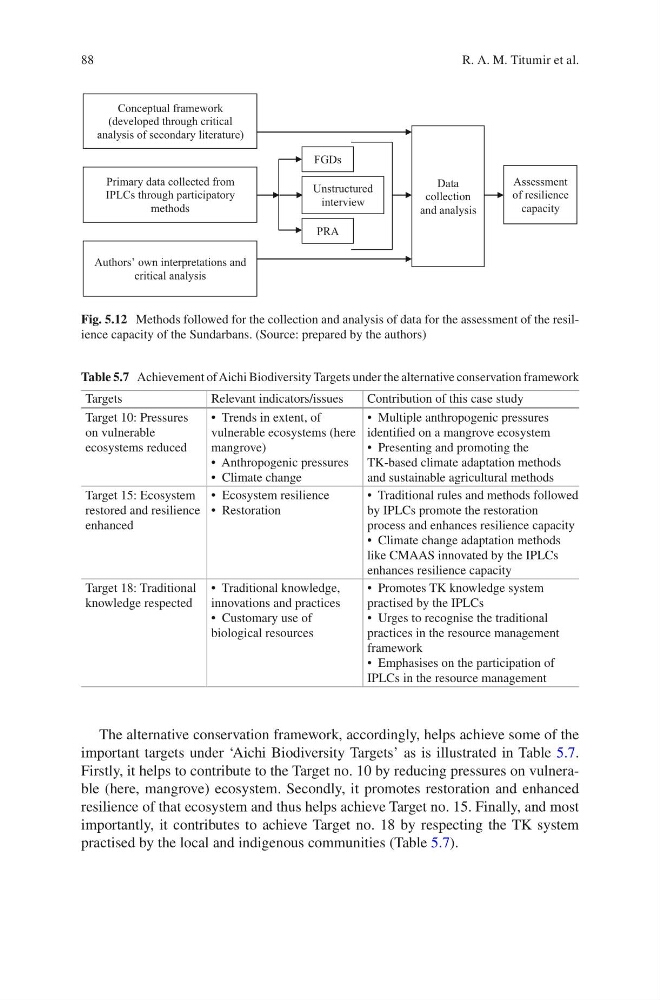
Fig. 5.12 Methods followed for the collection and analysis of data for the assessment of the resilience capacity of the Sundarbans. (Source: prepared by the authors)
R. A. M. Titumir et al.
The alternative conservation framework, accordingly, helps achieve some of the
important targets under ‘Aichi Biodiversity Targets’ as is illustrated in Table 5.7.
Firstly, it helps to contribute to the Target no. 10 by reducing pressures on vulnerable (here, mangrove) ecosystem. Secondly, it promotes restoration and enhanced
resilience of that ecosystem and thus helps achieve Target no. 15. Finally, and most
importantly, it contributes to achieve Target no. 18 by respecting the TK system
practised by the local and indigenous communities (Table 5.7).
Table 5.7 Achievement of Aichi Biodiversity Targets under the alternative conservation framework
Targets
Relevant indicators/issues
Contribution of this case study
Target 10: Pressures
on vulnerable
ecosystems reduced
• Trends in extent, of
vulnerable ecosystems (here
mangrove)
• Anthropogenic pressures
• Climate change
• Multiple anthropogenic pressures
identified on a mangrove ecosystem
• Presenting and promoting the
TK-based climate adaptation methods
and sustainable agricultural methods
Target 15: Ecosystem
restored and resilience
enhanced
• Ecosystem resilience
• Restoration
• Traditional rules and methods followed
by IPLCs promote the restoration
process and enhances resilience capacity
• Climate change adaptation methods
like CMAAS innovated by the IPLCs
enhances resilience capacity
Target 18: Traditional
knowledge respected
• Traditional knowledge,
innovations and practices
• Customary use of
biological resources
• Promotes TK knowledge system
practised by the IPLCs
• Urges to recognise the traditional
practices in the resource management
framework
• Emphasises on the participation of
IPLCs in the resource management
Conceptual framework
(developed through critical
analysis of secondary literature)
Primary data collected from
IPLCs through participatory
methods
Authors’ own interpretations and
critical analysis
FGDs
Unstructured
interview
PRA
Data
collection
and analysis
Assessment
of resilience
capacity
Fig. 5.12 Methods followed for the collection and analysis of data for the assessment of the resilience capacity of the Sundarbans. (Source: prepared by the authors)
R. A. M. Titumir et al.