

both research and industrial communities (quoted 8604 times). Reason became a
Wreathall & Co’ director and continued his work related to industries “he supported
psychological dimensions of the reports produced by the firm. As early as 1991
according to Wreathall, James was familiar with the engineering community and
became conductor of the various works made by Wreathall & Co’, especially for
the American nuclear domain”. Reason will remain a part-time collaborator of
Wreathall & Co’ and then WreathWood Group until he retired in 2012.
3.3 The Defense in Depth Contributions
The engineer’s contribution goes beyond the pragmatic modeling of a productive
system. Wreathall’s training and experiences with the British submarines nuclear
reactor and CEGB NPPs' safety gave him specific defense in depth
1 thinking. When
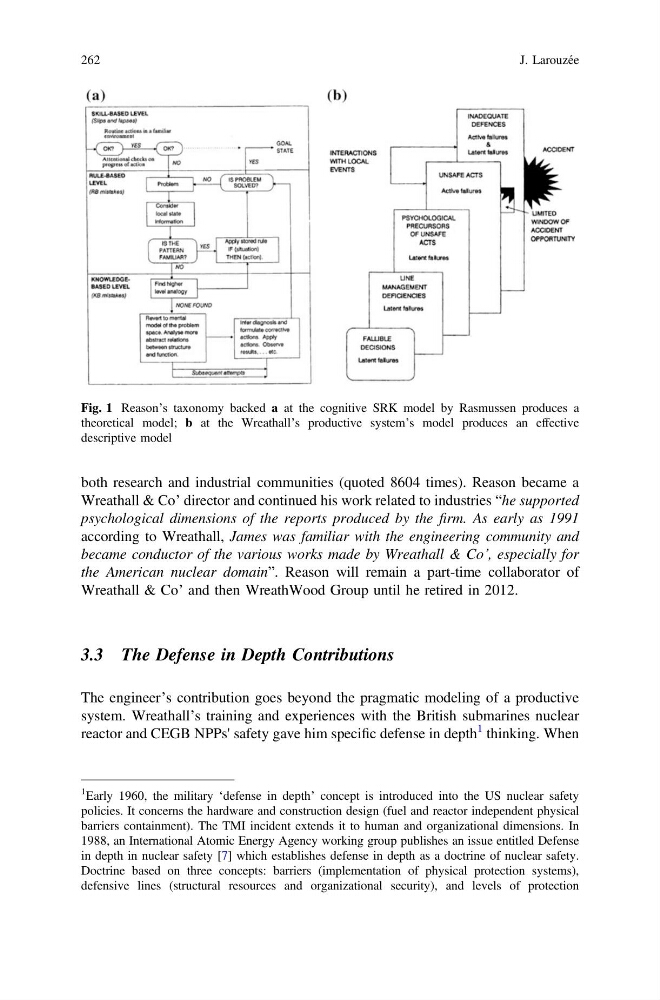
Fig. 1 Reason’s taxonomy backed a at the cognitive SRK model by Rasmussen produces a
theoretical model; b at the Wreathall’s productive system’s model produces an effective
descriptive model
1
Early 1960, the military ‘defense in depth’ concept is introduced into the US nuclear safety
policies. It concerns the hardware and construction design (fuel and reactor independent physical
barriers containment). The TMI incident extends it to human and organizational dimensions. In
1988, an International Atomic Energy Agency working group publishes an issue entitled Defense
in depth in nuclear safety [7] which establishes defense in depth as a doctrine of nuclear safety.
Doctrine based on three concepts: barriers (implementation of physical protection systems),
defensive lines (structural resources and organizational security), and levels of protection
262
J. Larouzée
Wreathall & Co’ director and continued his work related to industries “he supported
psychological dimensions of the reports produced by the firm. As early as 1991
according to Wreathall, James was familiar with the engineering community and
became conductor of the various works made by Wreathall & Co’, especially for
the American nuclear domain”. Reason will remain a part-time collaborator of
Wreathall & Co’ and then WreathWood Group until he retired in 2012.
3.3 The Defense in Depth Contributions
The engineer’s contribution goes beyond the pragmatic modeling of a productive
system. Wreathall’s training and experiences with the British submarines nuclear
reactor and CEGB NPPs' safety gave him specific defense in depth
1 thinking. When
Fig. 1 Reason’s taxonomy backed a at the cognitive SRK model by Rasmussen produces a
theoretical model; b at the Wreathall’s productive system’s model produces an effective
descriptive model
1
Early 1960, the military ‘defense in depth’ concept is introduced into the US nuclear safety
policies. It concerns the hardware and construction design (fuel and reactor independent physical
barriers containment). The TMI incident extends it to human and organizational dimensions. In
1988, an International Atomic Energy Agency working group publishes an issue entitled Defense
in depth in nuclear safety [7] which establishes defense in depth as a doctrine of nuclear safety.
Doctrine based on three concepts: barriers (implementation of physical protection systems),
defensive lines (structural resources and organizational security), and levels of protection
262
J. Larouzée