

13.2 Democratic Capitalism
273
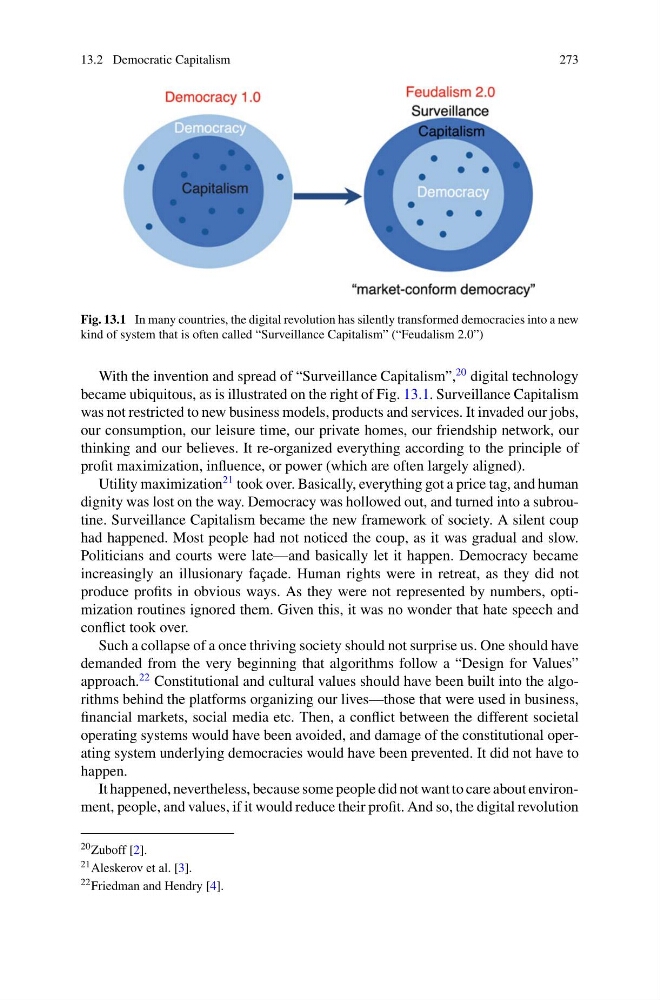
Fig. 13.1 In many countries, the digital revolution has silently transformed democracies into a new
kind of system that is often called “Surveillance Capitalism” (“Feudalism 2.0”)
With the invention and spread of “Surveillance Capitalism”,
20 digital technology
became ubiquitous, as is illustrated on the right of Fig. 13.1. Surveillance Capitalism
was not restricted to new business models, products and services. It invaded our jobs,
our consumption, our leisure time, our private homes, our friendship network, our
thinking and our believes. It re-organized everything according to the principle of
profit maximization, influence, or power (which are often largely aligned).
Utility maximization
21 took over. Basically, everything got a price tag, and human
dignity was lost on the way. Democracy was hollowed out, and turned into a subroutine. Surveillance Capitalism became the new framework of society. A silent coup
had happened. Most people had not noticed the coup, as it was gradual and slow.
Politicians and courts were late—and basically let it happen. Democracy became
increasingly an illusionary façade. Human rights were in retreat, as they did not
produce profits in obvious ways. As they were not represented by numbers, optimization routines ignored them. Given this, it was no wonder that hate speech and
conflict took over.
Such a collapse of a once thriving society should not surprise us. One should have
demanded from the very beginning that algorithms follow a “Design for Values”
approach.
22 Constitutional and cultural values should have been built into the algorithms behind the platforms organizing our lives—those that were used in business,
financial markets, social media etc. Then, a conflict between the different societal
operating systems would have been avoided, and damage of the constitutional operating system underlying democracies would have been prevented. It did not have to
happen.
It happened, nevertheless, because some people did not want to care about environment, people, and values, if it would reduce their profit. And so, the digital revolution
20 Zuboff [2].
21 Aleskerov et al. [3].
22 Friedman and Hendry [4].
273
Fig. 13.1 In many countries, the digital revolution has silently transformed democracies into a new
kind of system that is often called “Surveillance Capitalism” (“Feudalism 2.0”)
With the invention and spread of “Surveillance Capitalism”,
20 digital technology
became ubiquitous, as is illustrated on the right of Fig. 13.1. Surveillance Capitalism
was not restricted to new business models, products and services. It invaded our jobs,
our consumption, our leisure time, our private homes, our friendship network, our
thinking and our believes. It re-organized everything according to the principle of
profit maximization, influence, or power (which are often largely aligned).
Utility maximization
21 took over. Basically, everything got a price tag, and human
dignity was lost on the way. Democracy was hollowed out, and turned into a subroutine. Surveillance Capitalism became the new framework of society. A silent coup
had happened. Most people had not noticed the coup, as it was gradual and slow.
Politicians and courts were late—and basically let it happen. Democracy became
increasingly an illusionary façade. Human rights were in retreat, as they did not
produce profits in obvious ways. As they were not represented by numbers, optimization routines ignored them. Given this, it was no wonder that hate speech and
conflict took over.
Such a collapse of a once thriving society should not surprise us. One should have
demanded from the very beginning that algorithms follow a “Design for Values”
approach.
22 Constitutional and cultural values should have been built into the algorithms behind the platforms organizing our lives—those that were used in business,
financial markets, social media etc. Then, a conflict between the different societal
operating systems would have been avoided, and damage of the constitutional operating system underlying democracies would have been prevented. It did not have to
happen.
It happened, nevertheless, because some people did not want to care about environment, people, and values, if it would reduce their profit. And so, the digital revolution
20 Zuboff [2].
21 Aleskerov et al. [3].
22 Friedman and Hendry [4].