

other words, a temporal decline in beta diversity. To determine to what degree the
mosaic of ecological conditions favoured by the topography of mountains delays
(or even halts), this widespread process of biotic homogenization (i.e. favouring beta
diversity) is a highly relevant topic for scientific investigation of the future.
The maintenance of the monitoring programme and associated research is crucial
to test whether these changes in the composition, abundance and altitudinal distribution, will have consequences in the organization of food webs and in ecosystem
functioning, as has already been demonstrated for high-mountain lakes
(Medina-Sanchez et al. 2004).
16.9.4 Socioeconomic Responses to Global Change
Changes in land use and climate have direct consequences for human populations
and socioeconomic activities. The organization of the mountain economy in Sierra
Nevada has drastically changed during the last 60 years. The rural exodus and the
decline in traditional land-use practices, mainly agriculture and livestock husbandry, together with re-afforestation, have contributed to a general expansion of
forested areas. Today, a socioeconomic analysis must consider different perspectives, ecosystem services, and their multiple uses.
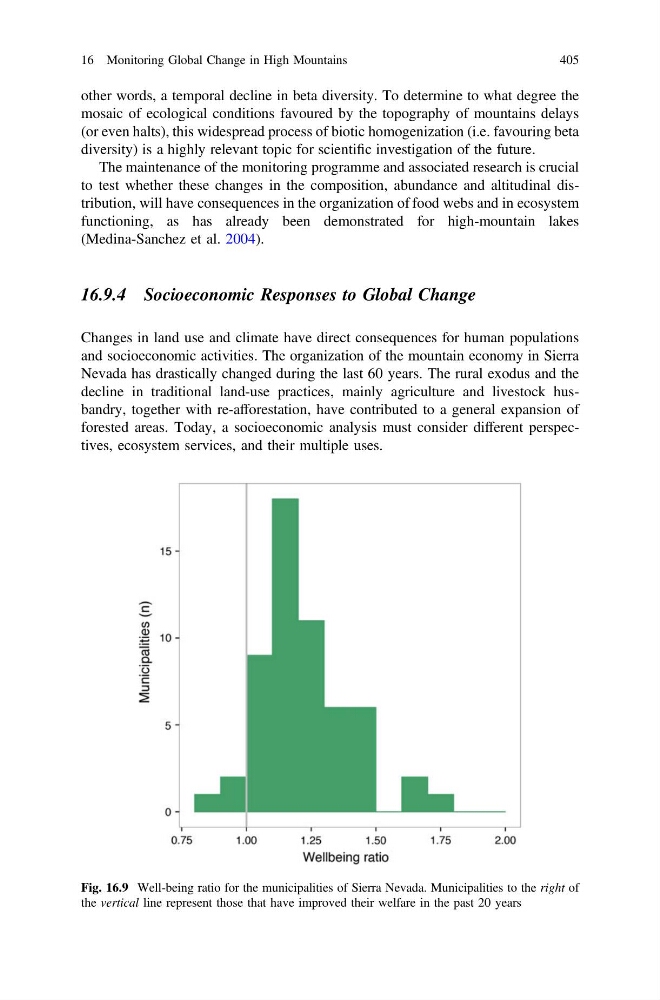
Fig. 16.9 Well-being ratio for the municipalities of Sierra Nevada. Municipalities to the right of
the vertical line represent those that have improved their welfare in the past 20 years
16 Monitoring Global Change in High Mountains
405
mosaic of ecological conditions favoured by the topography of mountains delays
(or even halts), this widespread process of biotic homogenization (i.e. favouring beta
diversity) is a highly relevant topic for scientific investigation of the future.
The maintenance of the monitoring programme and associated research is crucial
to test whether these changes in the composition, abundance and altitudinal distribution, will have consequences in the organization of food webs and in ecosystem
functioning, as has already been demonstrated for high-mountain lakes
(Medina-Sanchez et al. 2004).
16.9.4 Socioeconomic Responses to Global Change
Changes in land use and climate have direct consequences for human populations
and socioeconomic activities. The organization of the mountain economy in Sierra
Nevada has drastically changed during the last 60 years. The rural exodus and the
decline in traditional land-use practices, mainly agriculture and livestock husbandry, together with re-afforestation, have contributed to a general expansion of
forested areas. Today, a socioeconomic analysis must consider different perspectives, ecosystem services, and their multiple uses.
Fig. 16.9 Well-being ratio for the municipalities of Sierra Nevada. Municipalities to the right of
the vertical line represent those that have improved their welfare in the past 20 years
16 Monitoring Global Change in High Mountains
405