

1970s (less than 40 breeding territories) until the 90 breeding pairs monitored in
2002 and this increment was within a restricted geographical range (the Pyrenees),
so crowding mechanisms severely reduced territory suitability and fitness of territorial birds (Carrete et al. 2006a; Margalida et al. 2008a). In parallel to the increase
in population size, some territories became occupied by polyandrous trios (Heredia
and Donázar 1990). This fact raised the question of what are the consequences of
this behavioural change for dominant breeders as well as for the whole population
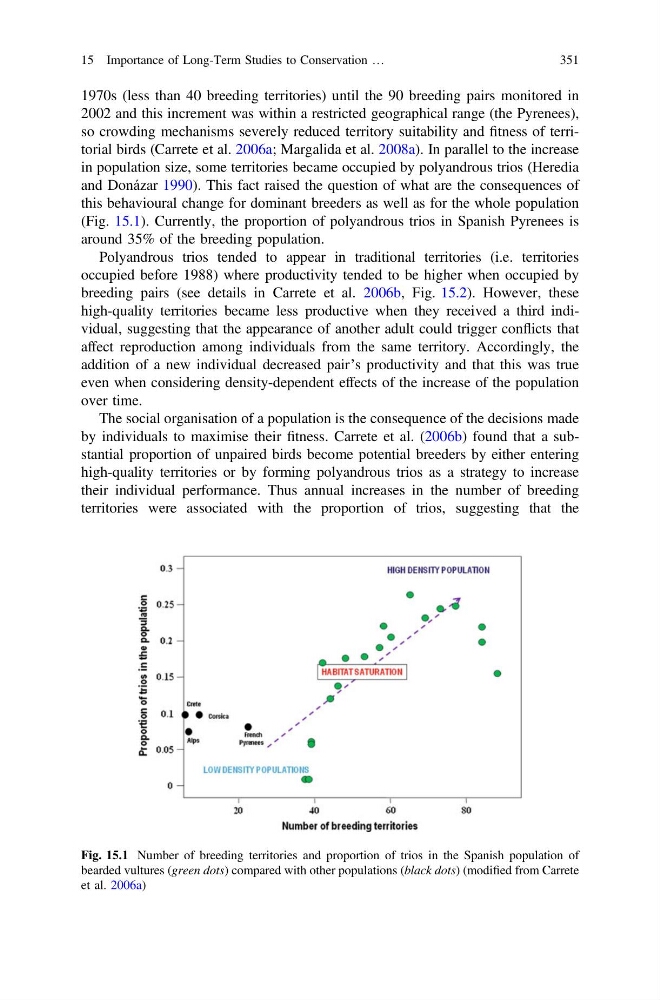
(Fig. 15.1). Currently, the proportion of polyandrous trios in Spanish Pyrenees is
around 35% of the breeding population.
Polyandrous trios tended to appear in traditional territories (i.e. territories
occupied before 1988) where productivity tended to be higher when occupied by
breeding pairs (see details in Carrete et al. 2006b, Fig. 15.2). However, these
high-quality territories became less productive when they received a third individual, suggesting that the appearance of another adult could trigger conflicts that
affect reproduction among individuals from the same territory. Accordingly, the
addition of a new individual decreased pair’s productivity and that this was true
even when considering density-dependent effects of the increase of the population
over time.
The social organisation of a population is the consequence of the decisions made
by individuals to maximise their fitness. Carrete et al. (2006b) found that a substantial proportion of unpaired birds become potential breeders by either entering
high-quality territories or by forming polyandrous trios as a strategy to increase
their individual performance. Thus annual increases in the number of breeding
territories were associated with the proportion of trios, suggesting that the
Fig. 15.1 Number of breeding territories and proportion of trios in the Spanish population of
bearded vultures (green dots) compared with other populations (black dots) (modified from Carrete
et al. 2006a)
15 Importance of Long-Term Studies to Conservation …
351
2002 and this increment was within a restricted geographical range (the Pyrenees),
so crowding mechanisms severely reduced territory suitability and fitness of territorial birds (Carrete et al. 2006a; Margalida et al. 2008a). In parallel to the increase
in population size, some territories became occupied by polyandrous trios (Heredia
and Donázar 1990). This fact raised the question of what are the consequences of
this behavioural change for dominant breeders as well as for the whole population
(Fig. 15.1). Currently, the proportion of polyandrous trios in Spanish Pyrenees is
around 35% of the breeding population.
Polyandrous trios tended to appear in traditional territories (i.e. territories
occupied before 1988) where productivity tended to be higher when occupied by
breeding pairs (see details in Carrete et al. 2006b, Fig. 15.2). However, these
high-quality territories became less productive when they received a third individual, suggesting that the appearance of another adult could trigger conflicts that
affect reproduction among individuals from the same territory. Accordingly, the
addition of a new individual decreased pair’s productivity and that this was true
even when considering density-dependent effects of the increase of the population
over time.
The social organisation of a population is the consequence of the decisions made
by individuals to maximise their fitness. Carrete et al. (2006b) found that a substantial proportion of unpaired birds become potential breeders by either entering
high-quality territories or by forming polyandrous trios as a strategy to increase
their individual performance. Thus annual increases in the number of breeding
territories were associated with the proportion of trios, suggesting that the
Fig. 15.1 Number of breeding territories and proportion of trios in the Spanish population of
bearded vultures (green dots) compared with other populations (black dots) (modified from Carrete
et al. 2006a)
15 Importance of Long-Term Studies to Conservation …
351