

UVB range (Blumthaler et al. 1997), which may be enhanced by stratospheric
ozone reduction (Blumthaler and Ambach 1990); cold conditions may facilitate the
condensation of semi-volatile compounds (Grimalt et al. 2001); and they are barriers to air-masses thus they are exposed to long-range transport of substances
(Catalan et al. 2013), microorganisms (Barberan et al. 2014) and diaspores (Flo and
Hagvar 2013). Although harsh conditions in the high mountains have been a
constant for the organisms living there, this does not mean that they are not sensitive to fluctuations. In many instances, a large part of the high mountain organisms may be living at the edge of their respective possibilities; the tree-line
illustrates this issue (Korner and Paulsen 2004).
The way in which humans have been occupying and using the mountains have
been changing throughout history and locations (Walsh 2014). In many of the ranges
around the world, large areas have been modified for pasturing and forestry purposes
(Miehe et al. 2014); often reaching a landscape configuration that may appear natural
to non-expert analysis. This traditional land use has not been sustained through
centuries everywhere, since wax and wane have modified the pressures depending
on both societal and climatic factors (Bocquet 1997). During the last decades, high
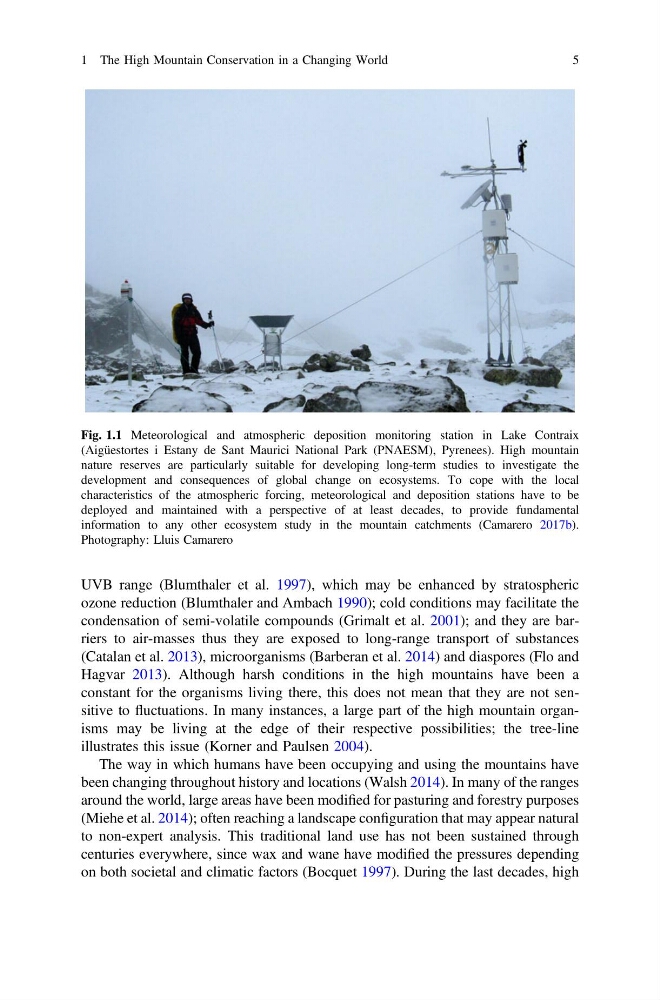
Fig. 1.1 Meteorological and atmospheric deposition monitoring station in Lake Contraix
(Aigüestortes i Estany de Sant Maurici National Park (PNAESM), Pyrenees). High mountain
nature reserves are particularly suitable for developing long-term studies to investigate the
development and consequences of global change on ecosystems. To cope with the local
characteristics of the atmospheric forcing, meteorological and deposition stations have to be
deployed and maintained with a perspective of at least decades, to provide fundamental
information to any other ecosystem study in the mountain catchments (Camarero 2017b).
Photography: Lluis Camarero
1 The High Mountain Conservation in a Changing World
5
ozone reduction (Blumthaler and Ambach 1990); cold conditions may facilitate the
condensation of semi-volatile compounds (Grimalt et al. 2001); and they are barriers to air-masses thus they are exposed to long-range transport of substances
(Catalan et al. 2013), microorganisms (Barberan et al. 2014) and diaspores (Flo and
Hagvar 2013). Although harsh conditions in the high mountains have been a
constant for the organisms living there, this does not mean that they are not sensitive to fluctuations. In many instances, a large part of the high mountain organisms may be living at the edge of their respective possibilities; the tree-line
illustrates this issue (Korner and Paulsen 2004).
The way in which humans have been occupying and using the mountains have
been changing throughout history and locations (Walsh 2014). In many of the ranges
around the world, large areas have been modified for pasturing and forestry purposes
(Miehe et al. 2014); often reaching a landscape configuration that may appear natural
to non-expert analysis. This traditional land use has not been sustained through
centuries everywhere, since wax and wane have modified the pressures depending
on both societal and climatic factors (Bocquet 1997). During the last decades, high
Fig. 1.1 Meteorological and atmospheric deposition monitoring station in Lake Contraix
(Aigüestortes i Estany de Sant Maurici National Park (PNAESM), Pyrenees). High mountain
nature reserves are particularly suitable for developing long-term studies to investigate the
development and consequences of global change on ecosystems. To cope with the local
characteristics of the atmospheric forcing, meteorological and deposition stations have to be
deployed and maintained with a perspective of at least decades, to provide fundamental
information to any other ecosystem study in the mountain catchments (Camarero 2017b).
Photography: Lluis Camarero
1 The High Mountain Conservation in a Changing World
5