

22
Interestingly, much of the evidence cited in Haluza et al. (2014) is related to
Japan’s ‘Shinrin-Yoku’ (forest-bathing) with most consistency shown for evidence
of short-term restorative effects in physiological parameters associated with the cardiovascular, endocrine and immune systems. Studies covered a range of activity
types, time periods and populations, but bias is a potential issue due to underreporting of negative or inconclusive findings and a tendency towards short-term
studies (Hartig et al. 2014; Haluza et al. 2014). There is less evidence for cumulative
effects and therefore how they may translate into measurable mortality and morbidity outcomes (ibid.).
Some of the published evidence relates to effects that are seen as a result of simply being in ‘natural’ spaces (Haluza et al. 2014). In this context, at least some of
the associated mechanisms may be direct, for example physiological responses
linked to feelings of well-being inspired by direct engagement with green and blue
space (see also Marselle Chap. 7, this volume). Feelings of well-being may come
about through impacts on the nervous system and are thus difficult to separate from
aspects of psychology and mental health. Nevertheless, the identification of possible direct impacts is important since it suggests that not all of the physical health
benefits are associated with physical activity-related physiological responses (given
that exercise results in some of the same physiological benefits wherever it is undertaken). That green and blue spaces tend to help to encourage physical exercise is of
course also important. More than three quarters of 50 reviewed studies reported
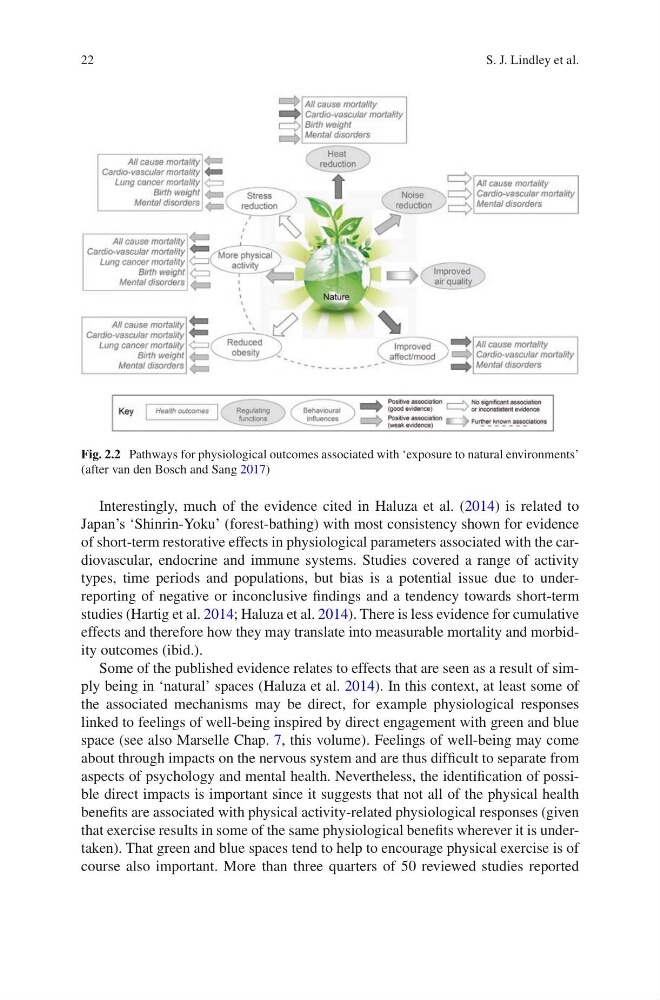
Fig. 2.2 Pathways for physiological outcomes associated with ‘exposure to natural environments’
(after van den Bosch and Sang 2017)
S. J. Lindley et al.
Interestingly, much of the evidence cited in Haluza et al. (2014) is related to
Japan’s ‘Shinrin-Yoku’ (forest-bathing) with most consistency shown for evidence
of short-term restorative effects in physiological parameters associated with the cardiovascular, endocrine and immune systems. Studies covered a range of activity
types, time periods and populations, but bias is a potential issue due to underreporting of negative or inconclusive findings and a tendency towards short-term
studies (Hartig et al. 2014; Haluza et al. 2014). There is less evidence for cumulative
effects and therefore how they may translate into measurable mortality and morbidity outcomes (ibid.).
Some of the published evidence relates to effects that are seen as a result of simply being in ‘natural’ spaces (Haluza et al. 2014). In this context, at least some of
the associated mechanisms may be direct, for example physiological responses
linked to feelings of well-being inspired by direct engagement with green and blue
space (see also Marselle Chap. 7, this volume). Feelings of well-being may come
about through impacts on the nervous system and are thus difficult to separate from
aspects of psychology and mental health. Nevertheless, the identification of possible direct impacts is important since it suggests that not all of the physical health
benefits are associated with physical activity-related physiological responses (given
that exercise results in some of the same physiological benefits wherever it is undertaken). That green and blue spaces tend to help to encourage physical exercise is of
course also important. More than three quarters of 50 reviewed studies reported
Fig. 2.2 Pathways for physiological outcomes associated with ‘exposure to natural environments’
(after van den Bosch and Sang 2017)
S. J. Lindley et al.