

528
V. S. Simi et al.
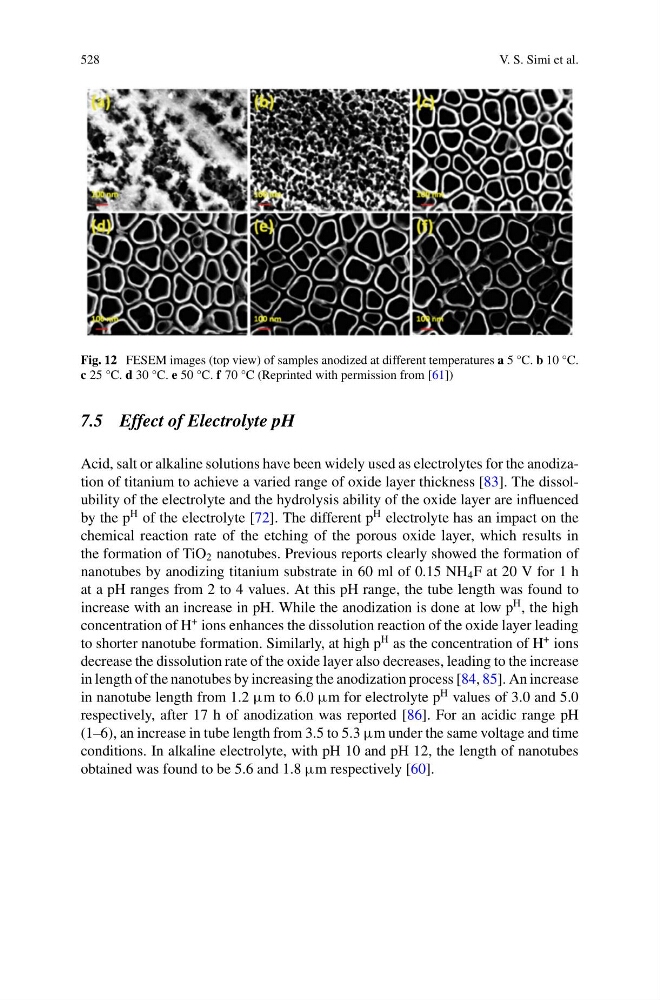
Fig. 12 FESEM images (top view) of samples anodized at different temperatures a 5 °C. b 10 °C.
c 25 °C. d 30 °C. e 50 °C. f 70 °C (Reprinted with permission from [61])
7.5 Effect of Electrolyte pH
Acid, salt or alkaline solutions have been widely used as electrolytes for the anodization of titanium to achieve a varied range of oxide layer thickness [83]. The dissolubility of the electrolyte and the hydrolysis ability of the oxide layer are influenced
by the p
H of the electrolyte [72]. The different p
H electrolyte has an impact on the
chemical reaction rate of the etching of the porous oxide layer, which results in
the formation of TiO 2 nanotubes. Previous reports clearly showed the formation of
nanotubes by anodizing titanium substrate in 60 ml of 0.15 NH 4 F at 20 V for 1 h
at a pH ranges from 2 to 4 values. At this pH range, the tube length was found to
increase with an increase in pH. While the anodization is done at low p
H , the high
concentration of H
+ ions enhances the dissolution reaction of the oxide layer leading
to shorter nanotube formation. Similarly, at high p
H as the concentration of H
+ ions
decrease the dissolution rate of the oxide layer also decreases, leading to the increase
in length of the nanotubes by increasing the anodization process [84, 85]. An increase
in nanotube length from 1.2 μm to 6.0 μm for electrolyte p
H values of 3.0 and 5.0
respectively, after 17 h of anodization was reported [86]. For an acidic range pH
(1–6), an increase in tube length from 3.5 to 5.3 μm under the same voltage and time
conditions. In alkaline electrolyte, with pH 10 and pH 12, the length of nanotubes
obtained was found to be 5.6 and 1.8 μm respectively [60].
V. S. Simi et al.
Fig. 12 FESEM images (top view) of samples anodized at different temperatures a 5 °C. b 10 °C.
c 25 °C. d 30 °C. e 50 °C. f 70 °C (Reprinted with permission from [61])
7.5 Effect of Electrolyte pH
Acid, salt or alkaline solutions have been widely used as electrolytes for the anodization of titanium to achieve a varied range of oxide layer thickness [83]. The dissolubility of the electrolyte and the hydrolysis ability of the oxide layer are influenced
by the p
H of the electrolyte [72]. The different p
H electrolyte has an impact on the
chemical reaction rate of the etching of the porous oxide layer, which results in
the formation of TiO 2 nanotubes. Previous reports clearly showed the formation of
nanotubes by anodizing titanium substrate in 60 ml of 0.15 NH 4 F at 20 V for 1 h
at a pH ranges from 2 to 4 values. At this pH range, the tube length was found to
increase with an increase in pH. While the anodization is done at low p
H , the high
concentration of H
+ ions enhances the dissolution reaction of the oxide layer leading
to shorter nanotube formation. Similarly, at high p
H as the concentration of H
+ ions
decrease the dissolution rate of the oxide layer also decreases, leading to the increase
in length of the nanotubes by increasing the anodization process [84, 85]. An increase
in nanotube length from 1.2 μm to 6.0 μm for electrolyte p
H values of 3.0 and 5.0
respectively, after 17 h of anodization was reported [86]. For an acidic range pH
(1–6), an increase in tube length from 3.5 to 5.3 μm under the same voltage and time
conditions. In alkaline electrolyte, with pH 10 and pH 12, the length of nanotubes
obtained was found to be 5.6 and 1.8 μm respectively [60].