

322
G. Perumal and M. Doble
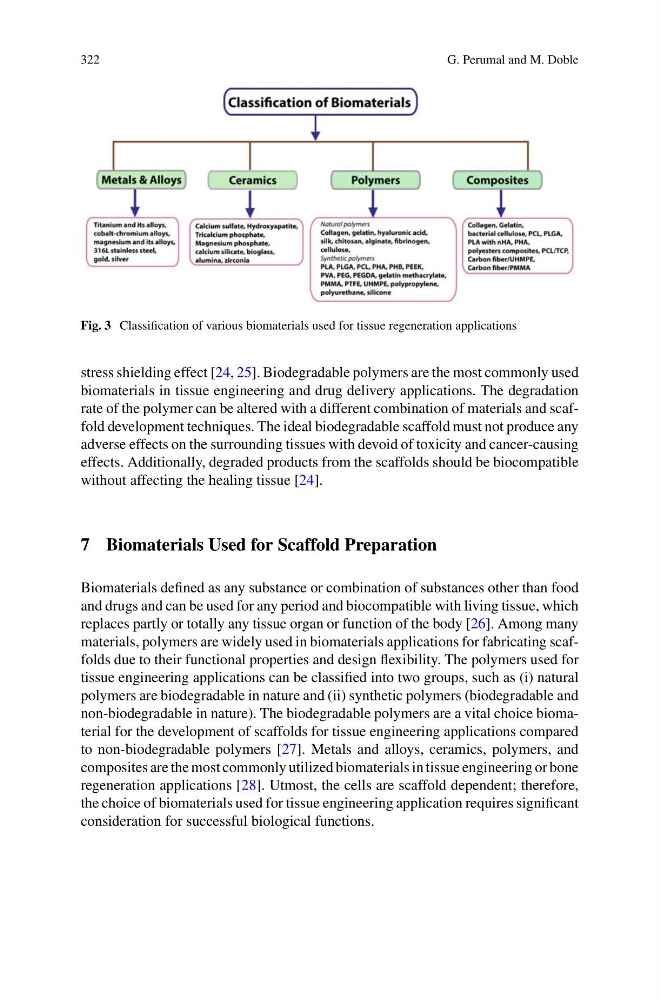
Fig. 3 Classification of various biomaterials used for tissue regeneration applications
stress shielding effect [24, 25]. Biodegradable polymers are the most commonly used
biomaterials in tissue engineering and drug delivery applications. The degradation
rate of the polymer can be altered with a different combination of materials and scaffold development techniques. The ideal biodegradable scaffold must not produce any
adverse effects on the surrounding tissues with devoid of toxicity and cancer-causing
effects. Additionally, degraded products from the scaffolds should be biocompatible
without affecting the healing tissue [24].
7 Biomaterials Used for Scaffold Preparation
Biomaterials defined as any substance or combination of substances other than food
and drugs and can be used for any period and biocompatible with living tissue, which
replaces partly or totally any tissue organ or function of the body [26]. Among many
materials, polymers are widely used in biomaterials applications for fabricating scaffolds due to their functional properties and design flexibility. The polymers used for
tissue engineering applications can be classified into two groups, such as (i) natural
polymers are biodegradable in nature and (ii) synthetic polymers (biodegradable and
non-biodegradable in nature). The biodegradable polymers are a vital choice biomaterial for the development of scaffolds for tissue engineering applications compared
to non-biodegradable polymers [27]. Metals and alloys, ceramics, polymers, and
composites are the most commonly utilized biomaterials in tissue engineering or bone
regeneration applications [28]. Utmost, the cells are scaffold dependent; therefore,
the choice of biomaterials used for tissue engineering application requires significant
consideration for successful biological functions.
G. Perumal and M. Doble
Fig. 3 Classification of various biomaterials used for tissue regeneration applications
stress shielding effect [24, 25]. Biodegradable polymers are the most commonly used
biomaterials in tissue engineering and drug delivery applications. The degradation
rate of the polymer can be altered with a different combination of materials and scaffold development techniques. The ideal biodegradable scaffold must not produce any
adverse effects on the surrounding tissues with devoid of toxicity and cancer-causing
effects. Additionally, degraded products from the scaffolds should be biocompatible
without affecting the healing tissue [24].
7 Biomaterials Used for Scaffold Preparation
Biomaterials defined as any substance or combination of substances other than food
and drugs and can be used for any period and biocompatible with living tissue, which
replaces partly or totally any tissue organ or function of the body [26]. Among many
materials, polymers are widely used in biomaterials applications for fabricating scaffolds due to their functional properties and design flexibility. The polymers used for
tissue engineering applications can be classified into two groups, such as (i) natural
polymers are biodegradable in nature and (ii) synthetic polymers (biodegradable and
non-biodegradable in nature). The biodegradable polymers are a vital choice biomaterial for the development of scaffolds for tissue engineering applications compared
to non-biodegradable polymers [27]. Metals and alloys, ceramics, polymers, and
composites are the most commonly utilized biomaterials in tissue engineering or bone
regeneration applications [28]. Utmost, the cells are scaffold dependent; therefore,
the choice of biomaterials used for tissue engineering application requires significant
consideration for successful biological functions.