

10.8 Arnol’d Diffusion in Quantum Systems
383
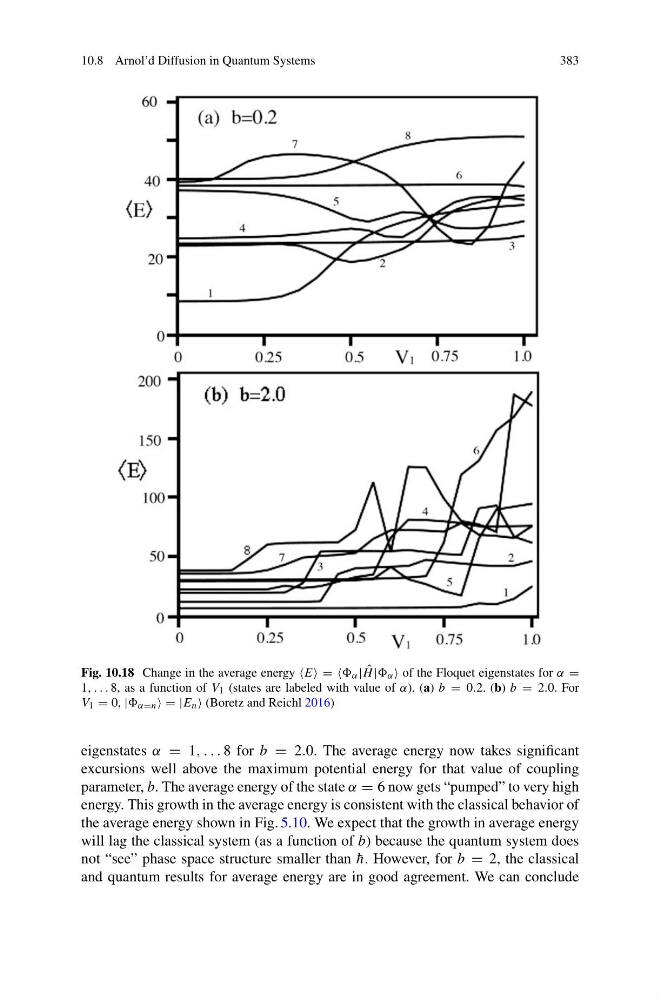
Fig. 10.18 Change in the average energy = = α | ˆ
H | α of the Floquet eigenstates for α =
1, . . . 8, as a function of V 1 (states are labeled with value of α). (a) b = 0.2. (b) b = 2.0. For
V 1 = 0, | α=n = |E n (Boretz and Reichl 2016)
eigenstates α = 1, . . . 8 for b = 2.0. The average energy now takes significant
excursions well above the maximum potential energy for that value of coupling
parameter, b. The average energy of the state α = 6 now gets “pumped” to very high
energy. This growth in the average energy is consistent with the classical behavior of
the average energy shown in Fig. 5.10. We expect that the growth in average energy
will lag the classical system (as a function of b) because the quantum system does
not “see” phase space structure smaller than ¯
h. However, for b = 2, the classical
and quantum results for average energy are in good agreement. We can conclude
383
Fig. 10.18 Change in the average energy = = α | ˆ
H | α of the Floquet eigenstates for α =
1, . . . 8, as a function of V 1 (states are labeled with value of α). (a) b = 0.2. (b) b = 2.0. For
V 1 = 0, | α=n = |E n (Boretz and Reichl 2016)
eigenstates α = 1, . . . 8 for b = 2.0. The average energy now takes significant
excursions well above the maximum potential energy for that value of coupling
parameter, b. The average energy of the state α = 6 now gets “pumped” to very high
energy. This growth in the average energy is consistent with the classical behavior of
the average energy shown in Fig. 5.10. We expect that the growth in average energy
will lag the classical system (as a function of b) because the quantum system does
not “see” phase space structure smaller than ¯
h. However, for b = 2, the classical
and quantum results for average energy are in good agreement. We can conclude