

82
candidate varieties are compared with the current commercial checks on large plots
(10 × 10 m) on research stations and farmers’ fields. The plots are evaluated by an
ad hoc Technical Variety Release Committee which incorporates farmers’ perspectives. The promotion of BH661 began through farmers’ participatory variety selection (PVS) with financial support from various CIMMYT-managed projects.
Table 7.1 Head-to-head comparison of BH661 with BH660 and BH670 for grain yield in different
sets of trials conducted at eight mid-altitude, transitional highland and true highland subhumid
maize agro-ecologies of Ethiopia during 2006–2011
Location
Altitude
(masl)
Annual
rainfall
(mm)
Number of
trials
Mean grain yield
% GYA over
BH661 BH660 BH670 BH660 BH670
Bako
1650
1211
6
9.79 9.43
9.07
3.8% 7.9%
Hawassa
1708
945
5
10.79 9.39
8.39
14.8% 28.5%
Areka
1750
1401
5
6.82 6.50
6.57
5.0% 3.8%
Arsi
Negelle
1940
900
6
7.83 8.19
8.09
−4.4% −3.1%
Jimma
1725
1448
6
10.56 8.71
8.54
21.3% 23.6%
Adet
2203
1118
4
8.10 7.87
7.12
2.9% 13.8%
Finote
Selam
1853
1125
3
8.84 7.81
9.09
13.2% −2.8%
Haramaya 2015
820
2
11.61 8.60
9.45
35.0% 22.9%
Across
9.09 8.25
8.06
10.2% 12.9%
Source: Bako National Maize Research Center; altitude and annual rainfall (Worku et al. 2012)
masl metres above sea level, mm millimetres
0.00
50.00
100.00
150.00
200.00
250.00
300.00
350.00
DM
PH
EH
Lod
BH661
BH660
BH670
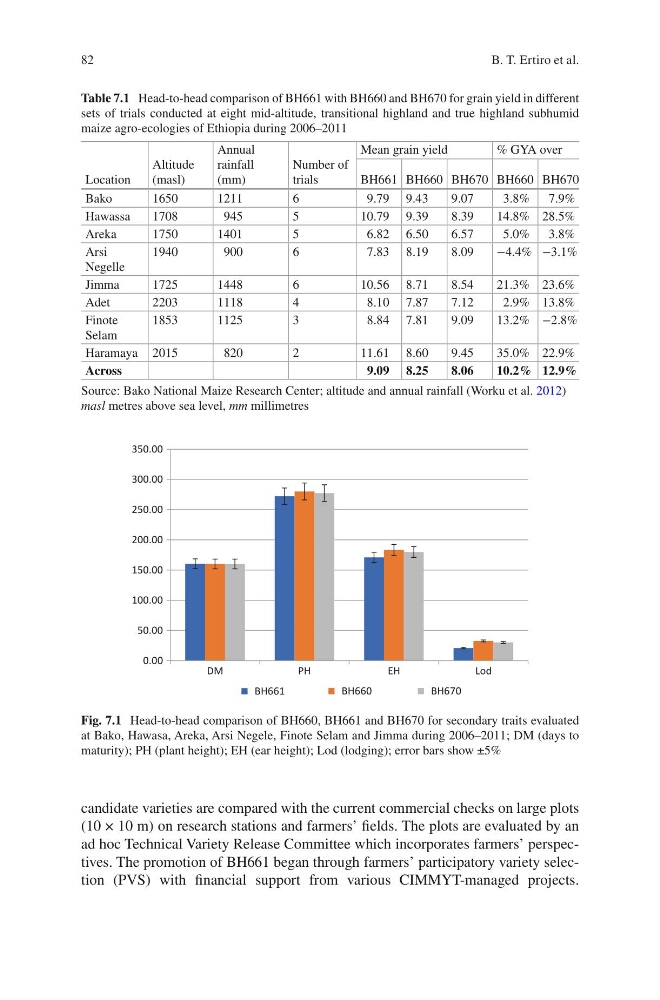
Fig. 7.1 Head-to-head comparison of BH660, BH661 and BH670 for secondary traits evaluated
at Bako, Hawasa, Areka, Arsi Negele, Finote Selam and Jimma during 2006–2011; DM (days to
maturity); PH (plant height); EH (ear height); Lod (lodging); error bars show ±5%
B. T. Ertiro et al.
candidate varieties are compared with the current commercial checks on large plots
(10 × 10 m) on research stations and farmers’ fields. The plots are evaluated by an
ad hoc Technical Variety Release Committee which incorporates farmers’ perspectives. The promotion of BH661 began through farmers’ participatory variety selection (PVS) with financial support from various CIMMYT-managed projects.
Table 7.1 Head-to-head comparison of BH661 with BH660 and BH670 for grain yield in different
sets of trials conducted at eight mid-altitude, transitional highland and true highland subhumid
maize agro-ecologies of Ethiopia during 2006–2011
Location
Altitude
(masl)
Annual
rainfall
(mm)
Number of
trials
Mean grain yield
% GYA over
BH661 BH660 BH670 BH660 BH670
Bako
1650
1211
6
9.79 9.43
9.07
3.8% 7.9%
Hawassa
1708
945
5
10.79 9.39
8.39
14.8% 28.5%
Areka
1750
1401
5
6.82 6.50
6.57
5.0% 3.8%
Arsi
Negelle
1940
900
6
7.83 8.19
8.09
−4.4% −3.1%
Jimma
1725
1448
6
10.56 8.71
8.54
21.3% 23.6%
Adet
2203
1118
4
8.10 7.87
7.12
2.9% 13.8%
Finote
Selam
1853
1125
3
8.84 7.81
9.09
13.2% −2.8%
Haramaya 2015
820
2
11.61 8.60
9.45
35.0% 22.9%
Across
9.09 8.25
8.06
10.2% 12.9%
Source: Bako National Maize Research Center; altitude and annual rainfall (Worku et al. 2012)
masl metres above sea level, mm millimetres
0.00
50.00
100.00
150.00
200.00
250.00
300.00
350.00
DM
PH
EH
Lod
BH661
BH660
BH670
Fig. 7.1 Head-to-head comparison of BH660, BH661 and BH670 for secondary traits evaluated
at Bako, Hawasa, Areka, Arsi Negele, Finote Selam and Jimma during 2006–2011; DM (days to
maturity); PH (plant height); EH (ear height); Lod (lodging); error bars show ±5%
B. T. Ertiro et al.