

activists had developed outside Bhutan (especially in India), he ordered in the
country’s newly trained army and up to 100,000 people fled the country. The
numbers are unverified but would amount to one sixth of the population at that
time. Critics argue that this event casts such a shadow that cherishing Bhutan as a
positive development pioneer is impossible. Speaking to government representatives during my stay gave me the perspective that this country of 800,000 people
stuck between the competing super powers China and India was worried about its
very existence when it found out about the Indian support for the movement for
government reform and possible independence.
I am far from able to judge any of these events in the early 1990s. What I can say
is that the later policy frameworks, and even the GNH index itself, are the result of
international collaboration. What I can also say is that people are quick—far too
quick—to talk about the scheme being discontinued. After the elections in May
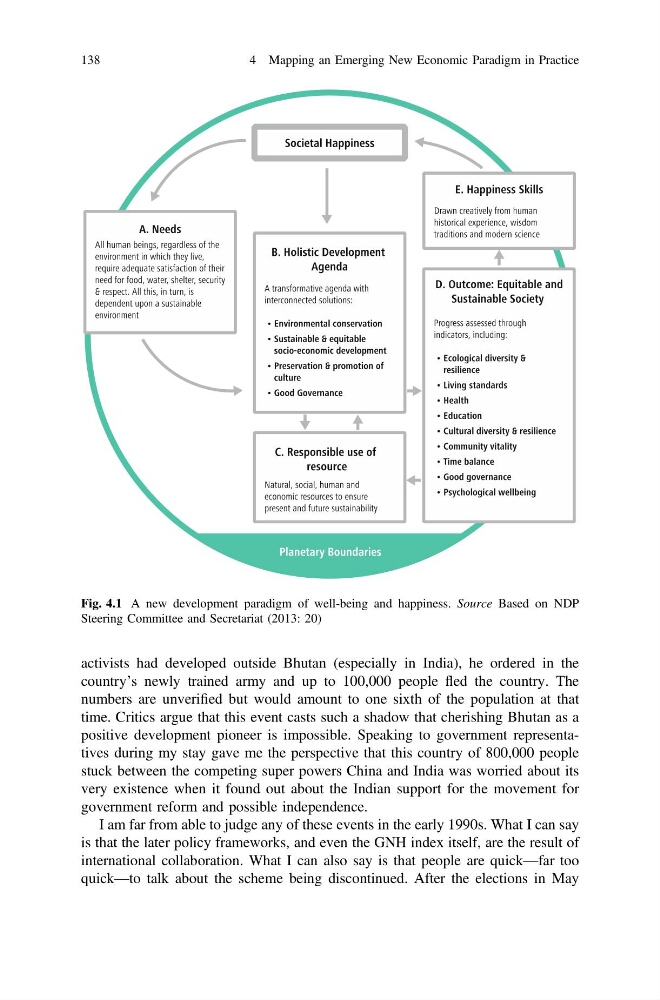
Fig. 4.1 A new development paradigm of well-being and happiness. Source Based on NDP
Steering Committee and Secretariat (2013: 20)
138
4 Mapping an Emerging New Economic Paradigm in Practice
country’s newly trained army and up to 100,000 people fled the country. The
numbers are unverified but would amount to one sixth of the population at that
time. Critics argue that this event casts such a shadow that cherishing Bhutan as a
positive development pioneer is impossible. Speaking to government representatives during my stay gave me the perspective that this country of 800,000 people
stuck between the competing super powers China and India was worried about its
very existence when it found out about the Indian support for the movement for
government reform and possible independence.
I am far from able to judge any of these events in the early 1990s. What I can say
is that the later policy frameworks, and even the GNH index itself, are the result of
international collaboration. What I can also say is that people are quick—far too
quick—to talk about the scheme being discontinued. After the elections in May
Fig. 4.1 A new development paradigm of well-being and happiness. Source Based on NDP
Steering Committee and Secretariat (2013: 20)
138
4 Mapping an Emerging New Economic Paradigm in Practice