

355
sector from the European industrial mix has negative impact enough on the social
and economic perspective, the LOCIMAP studies have further highlighted the loss
that an industry makes on the overall potential integration and optimisation which is
far wider that when considering the industry in isolation. The loss in potential not
only for heat and power integration but for material by-product integration and the
closing of material loops has a quantifi able and negative impact on environmental
performance of the whole. LOCIMAP makes the case for the evaluation of the
impact of CO 2 emissions not only ‘up the stack’, which the EU ETS addresses, but
also enabled by that industry’s presence; in essence, this is an argument for a consequential approach to evaluation (see Chaps. 2 and 3 ). The case is made for the retention and development of those industries which are world leading in terms of CO 2 .
Diversity of industry types is seen as the cornerstone of successful and resilient
industrial symbiosis exemplifi ed by a low-carbon park; the positive impact on resilience is undervalued by the omission of by-product synergy quantifi cation.
5 Conclusion
We conclude that the application of these principles, through the appropriate design
of industrial parks and the development of opportunities for process integration, has
the potential to exceed the targets set within EU ETS under which the majority of
0
10
20
30
40
50
60
70
80
90
100
Total of Process Hot
Streams
Total of NonIntegrated but
Optimised Processes
Integrated Park
Integrated Park with
Full Waste Heat
Recovery
Heat Load (MW)
Impact of Integration on Heat Demand
in the LOCIMAP virtual Park
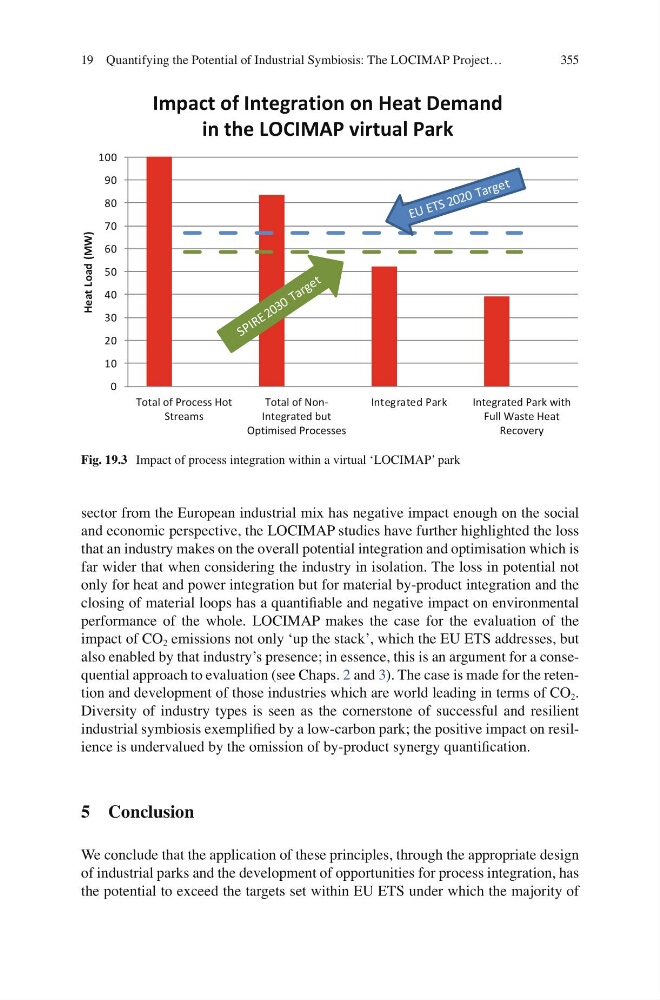
Fig. 19.3 Impact of process integration within a virtual ‘LOCIMAP’ park
19 Quantifying the Potential of Industrial Symbiosis: The LOCIMAP Project…
sector from the European industrial mix has negative impact enough on the social
and economic perspective, the LOCIMAP studies have further highlighted the loss
that an industry makes on the overall potential integration and optimisation which is
far wider that when considering the industry in isolation. The loss in potential not
only for heat and power integration but for material by-product integration and the
closing of material loops has a quantifi able and negative impact on environmental
performance of the whole. LOCIMAP makes the case for the evaluation of the
impact of CO 2 emissions not only ‘up the stack’, which the EU ETS addresses, but
also enabled by that industry’s presence; in essence, this is an argument for a consequential approach to evaluation (see Chaps. 2 and 3 ). The case is made for the retention and development of those industries which are world leading in terms of CO 2 .
Diversity of industry types is seen as the cornerstone of successful and resilient
industrial symbiosis exemplifi ed by a low-carbon park; the positive impact on resilience is undervalued by the omission of by-product synergy quantifi cation.
5 Conclusion
We conclude that the application of these principles, through the appropriate design
of industrial parks and the development of opportunities for process integration, has
the potential to exceed the targets set within EU ETS under which the majority of
0
10
20
30
40
50
60
70
80
90
100
Total of Process Hot
Streams
Total of NonIntegrated but
Optimised Processes
Integrated Park
Integrated Park with
Full Waste Heat
Recovery
Heat Load (MW)
Impact of Integration on Heat Demand
in the LOCIMAP virtual Park
Fig. 19.3 Impact of process integration within a virtual ‘LOCIMAP’ park
19 Quantifying the Potential of Industrial Symbiosis: The LOCIMAP Project…