

2
they cover with their session. The product of all these efforts
of the session hosts is the book at hand. It summarizes the
literature reviews of most sessions and all presenter abstracts
of the latest edition of the conference series, YOUMARES 8,
held from 13 to 15 September 2017 in Kiel, Germany.
A Brief History of Getting Larger
YOUMARES was established by the initiative of a single
person – Marc Einsporn. Marc came up with the idea of a
platform where especially the young generation of scientists
would be able to exchange and to present their research to an
audience of a similar career stage. Starting off as a national
conference, the first YOUMARES took place under a different name (“Netzwerktreffen junge Meeresforschung”) in
Hamburg in June 2010 with less than 50 participants (Table 1,
Einsporn 2010). Already 1 year later, the name
“YOUMARES” was established and it took place with about
130 participants over 3 days in September (Einsporn 2011).
From then on, the conference acquired an international reputation and was held each September in different cities in
northern Germany. By 2017, eight editions of YOUMARES
took place; so far in seven different cities (Table 1). Already
in 2012, participants came from more than ten different
countries, in 2013 from more than 15 different countries
(Wiedling and Einsporn 2012, Einsporn et al. 2013). Over
the years, YOUMARES has expanded into the largest meeting of young marine scientists in Germany. The most recent
edition, YOUMARES 8, had about 195 participants and 95
oral presentations (Table 1). Organizing an event of this size
obviously requires a large team of organizers and helpers.
The topical sessions of each YOUMARES edition offer
an interesting insight into the spectrum and the diversity of
research early career scientists are conducting in the marine
field (Table 2). In few cases, the same people applied for
hosting a session in subsequent years. However, some topics
are reoccurring relatively often over the years as for instance
aquaculture, plastic pollution, invasive species, coral reefs
and polar regions.
How to Get in Contact: Personal Experiences
as a Young Researcher
YOUMARES – Science Works Best When Being
Shared
Viola Liebich
I had joined YOUMARES as a participant some years ago
when I was still a PhD student. When I first heard about this
conference I didn’t realize just how special it was, to be honest. Being on-site, I liked the atmosphere and noticed the
rather young audience. However, it was only later in my PhD
career that I joined ‘big’ and ‘professional’ meetings in an
international set-up. The topic of my PhD was the introduction of invasive species via ballast water and I took a turn
joining an EU project ‘with application’. Applied science
still has a bit of a stale taste to it for many researchers. The
different worlds seem to collide on ballast water management conferences when biologists meet vessel fleet managers, government representatives, lawyers, engineers, and
project managers – the guys in suits as they were called in
my old institute. Dinners often were five courses served with
wine you had to fight off to be not re-filled all the time. Now,
was that an inspiring and relaxing atmosphere? No, I enjoyed
the nice food but didn’t feel comfortable talking to people I
didn’t know and went home with a missed chance to enlarge
my network. But YOUMARES had showed me that we are
as scientists not alone with our topics, ideas, questions, and
problems. I learned from my first supervisor that science
works best when being shared and that is, in my opinion,
what YOUMARES also stands for.
Thus, when I got the chance to organize this year’s
YOUMARES as head of the team, I recalled that feeling.
Above all, I wanted to create that easy atmosphere with people of similar minds – as if we would all meet up in a student
house kitchen. At the same time, we had the expectation to
offer a professional conference. The bottom-up approach
done by young volunteers when organizing it should not be
an excuse that the conference and everything around it
doesn’t provide you the best options. Although it was often
challenging to find the time to call after sponsors, facility
Competence
enhancement
through
exchange of
experience
Networking
scientific exchange
platform for early
career scientists
YOUMARES
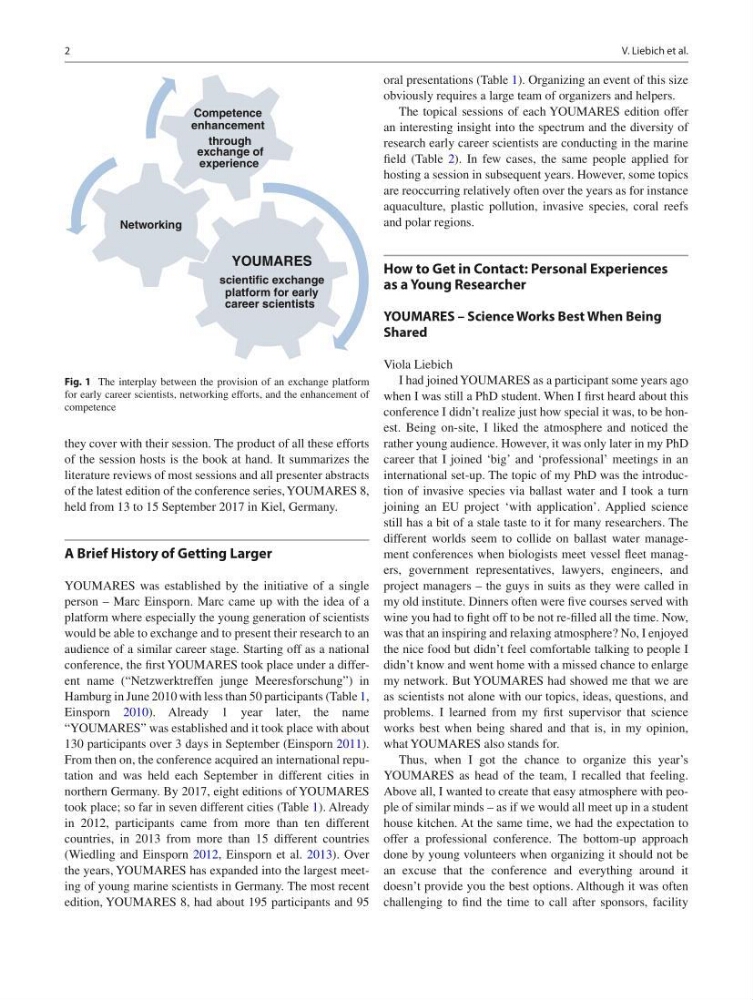
Fig. 1 The interplay between the provision of an exchange platform
for early career scientists, networking efforts, and the enhancement of
competence
V. Liebich et al.
they cover with their session. The product of all these efforts
of the session hosts is the book at hand. It summarizes the
literature reviews of most sessions and all presenter abstracts
of the latest edition of the conference series, YOUMARES 8,
held from 13 to 15 September 2017 in Kiel, Germany.
A Brief History of Getting Larger
YOUMARES was established by the initiative of a single
person – Marc Einsporn. Marc came up with the idea of a
platform where especially the young generation of scientists
would be able to exchange and to present their research to an
audience of a similar career stage. Starting off as a national
conference, the first YOUMARES took place under a different name (“Netzwerktreffen junge Meeresforschung”) in
Hamburg in June 2010 with less than 50 participants (Table 1,
Einsporn 2010). Already 1 year later, the name
“YOUMARES” was established and it took place with about
130 participants over 3 days in September (Einsporn 2011).
From then on, the conference acquired an international reputation and was held each September in different cities in
northern Germany. By 2017, eight editions of YOUMARES
took place; so far in seven different cities (Table 1). Already
in 2012, participants came from more than ten different
countries, in 2013 from more than 15 different countries
(Wiedling and Einsporn 2012, Einsporn et al. 2013). Over
the years, YOUMARES has expanded into the largest meeting of young marine scientists in Germany. The most recent
edition, YOUMARES 8, had about 195 participants and 95
oral presentations (Table 1). Organizing an event of this size
obviously requires a large team of organizers and helpers.
The topical sessions of each YOUMARES edition offer
an interesting insight into the spectrum and the diversity of
research early career scientists are conducting in the marine
field (Table 2). In few cases, the same people applied for
hosting a session in subsequent years. However, some topics
are reoccurring relatively often over the years as for instance
aquaculture, plastic pollution, invasive species, coral reefs
and polar regions.
How to Get in Contact: Personal Experiences
as a Young Researcher
YOUMARES – Science Works Best When Being
Shared
Viola Liebich
I had joined YOUMARES as a participant some years ago
when I was still a PhD student. When I first heard about this
conference I didn’t realize just how special it was, to be honest. Being on-site, I liked the atmosphere and noticed the
rather young audience. However, it was only later in my PhD
career that I joined ‘big’ and ‘professional’ meetings in an
international set-up. The topic of my PhD was the introduction of invasive species via ballast water and I took a turn
joining an EU project ‘with application’. Applied science
still has a bit of a stale taste to it for many researchers. The
different worlds seem to collide on ballast water management conferences when biologists meet vessel fleet managers, government representatives, lawyers, engineers, and
project managers – the guys in suits as they were called in
my old institute. Dinners often were five courses served with
wine you had to fight off to be not re-filled all the time. Now,
was that an inspiring and relaxing atmosphere? No, I enjoyed
the nice food but didn’t feel comfortable talking to people I
didn’t know and went home with a missed chance to enlarge
my network. But YOUMARES had showed me that we are
as scientists not alone with our topics, ideas, questions, and
problems. I learned from my first supervisor that science
works best when being shared and that is, in my opinion,
what YOUMARES also stands for.
Thus, when I got the chance to organize this year’s
YOUMARES as head of the team, I recalled that feeling.
Above all, I wanted to create that easy atmosphere with people of similar minds – as if we would all meet up in a student
house kitchen. At the same time, we had the expectation to
offer a professional conference. The bottom-up approach
done by young volunteers when organizing it should not be
an excuse that the conference and everything around it
doesn’t provide you the best options. Although it was often
challenging to find the time to call after sponsors, facility
Competence
enhancement
through
exchange of
experience
Networking
scientific exchange
platform for early
career scientists
YOUMARES
Fig. 1 The interplay between the provision of an exchange platform
for early career scientists, networking efforts, and the enhancement of
competence
V. Liebich et al.